This lesson deciphers the visual language of Spanish road markings, essential for AM moped riders. You'll learn the meaning behind solid and broken lines, directional arrows, and other symbols that dictate lane changes and overtaking. Understanding these DGT rules is crucial for safe road positioning, effective navigation, and successfully passing your theory exam on urban roads. It sets the foundation for interacting safely with other vehicles.

Lesson content overview
As a moped driver preparing for your Spanish Category AM theoretical exam, understanding road markings is fundamental to navigating safely and legally. Road markings are a silent but powerful language, communicating critical information about lane usage, permissible maneuvers, and potential hazards directly on the road surface. Mastering this visual code ensures you maintain proper lane discipline, execute safe overtaking procedures, and avoid conflicts with other road users, from cars to pedestrians and cyclists.
This lesson delves into the specifics of Spanish road markings, distinguishing between different line types, interpreting directional arrows, and understanding the rules for special lanes. By the end, you will have a comprehensive grasp of how these markings guide your journey and what they demand of you as a responsible driver.
Road markings serve as a universal, static communication system, conveying legal expectations for lane usage, positioning, and maneuver execution. They complement road signs and traffic signals, often providing immediate, localized instructions that are crucial for traffic flow and safety. In Spain, the Directorate General of Traffic (DGT) establishes clear regulations for these markings, which all drivers, including those on AM-category vehicles like mopeds, must strictly follow.
The underlying logic behind road markings is threefold:
For moped riders, who often share space with larger vehicles and are more vulnerable, correctly interpreting these markings is even more critical. It directly impacts your ability to position yourself safely and react appropriately to the intentions of other drivers.
Road lines are the most common type of marking, defining lane boundaries and dictating when you can cross them. They are primarily white, but yellow lines also exist for specific purposes, often indicating temporary conditions or special lanes. The key distinction lies in their continuity: solid lines impose restrictions, while broken lines generally permit certain actions under safe conditions.
A solid line is an unbroken white or yellow line that extends along a lane boundary. Its presence is a strong directive: you must not cross it. This applies whether it's a single solid line or a double solid line, except in very specific, designated circumstances such as entering or exiting an official parking area, or passing a stationary obstacle where no other option exists and it's safe to do so.
DGT Reglamento de Circulación (Article 70) strictly prohibits crossing a single solid line for overtaking. Violations can lead to fines.
The presence of a solid line means you must maintain your position within your lane until the markings change, or you reach an intersection or designated lane-change zone. Misinterpreting this can lead to dangerous situations and legal penalties.
A broken line, also known as a dashed line, is an intermittent white or yellow line with gaps. Unlike solid lines, broken lines indicate that you may cross them for specific maneuvers like overtaking or changing lanes, provided it is safe to do so and no other signs or circumstances prohibit it.
Even when a broken line permits overtaking, DGT Article 73 emphasizes that the driver must still assess the safety of the maneuver. Always ensure clear visibility and enough distance.
Understanding broken lines is crucial for efficient traffic flow and making progress on the road. However, the permission to cross them is not an absolute right; it comes with the responsibility to ensure the safety of yourself and other road users.
Sometimes, you will encounter a combination of solid and broken lines running parallel to each other. These hybrid markings convey specific rules depending on which side of the line you are driving on.
These combined markings require careful attention to determine which line applies to your direction of travel, making precise lane discipline essential.
Beyond longitudinal lines, directional arrows painted directly on the road surface are powerful indicators of permissible movements within a specific lane. These arrows are generally white for standard traffic lanes and must be strictly obeyed.
Directional arrows guide drivers into the correct lane for their intended maneuver, preventing confusion and ensuring orderly traffic flow, especially at intersections and roundabouts.
Compliance with directional arrows is mandatory. DGT Article 87 specifies that vehicles must keep to the lane direction indicated by these pavement markings. Failing to do so can lead to:
You should always position your moped in the appropriate lane well in advance of an intersection or turn, guided by these arrows. If you find yourself in the wrong lane, it is safer to continue in the direction indicated by the arrow and find a safe opportunity to adjust your route, rather than making a sudden, illegal lane change or an incorrect turn.
Road markings are also used to designate special lanes for specific types of vehicles or maneuvers, known as exclusive use lanes. These lanes are critical for traffic management and the safety of particular road users.
Bicycle lanes are designed to provide a safe space for cyclists, separating them from faster motor traffic. They are typically marked with a solid white line and a distinct bicycle symbol painted on the pavement, and sometimes feature a contrasting color.
Bus lanes (carriles bus) are common in urban centers to facilitate efficient public transport. They are typically marked with a solid white line and a prominent bus symbol on the pavement, sometimes also featuring a distinct color (e.g., green or red).
Using an exclusive lane incorrectly is a common violation that can result in significant fines and, potentially, point deductions on your license. Always observe the markings and accompanying signs carefully.
Designated turn lanes are identified by broken lines and specific directional arrows. These lanes channel vehicles preparing to turn, ensuring they do so without impeding through traffic.
Overtaking is a maneuver that requires careful judgment and strict adherence to road markings, particularly for moped drivers who need to be acutely aware of their surroundings and the speed differentials with other vehicles.
The fundamental rule is clear: overtaking is prohibited when a solid line separates your lane from an adjacent lane where overtaking would require crossing that solid line.
Crossing a solid line to overtake is a serious traffic offense in Spain and carries substantial fines and points on your license.
When a broken line is present, overtaking is generally permitted, but it must be executed safely.
On multi-lane roads where all traffic flows in the same direction, overtaking is often performed by changing lanes.
Adhering to road markings is not merely a suggestion; it is a mandatory part of driving responsibly and safely in Spain. Here's a summary of the core rules:
Always observe the road ahead and plan your maneuvers. Anticipating upcoming markings gives you time to react safely and correctly position your moped.
Understanding potential pitfalls can help you avoid making critical errors on the road. Many accidents and fines stem from common misunderstandings or disregard for road markings.
These common errors highlight the need for constant vigilance and a clear understanding of what each marking permits and prohibits.
The interpretation and application of road marking rules are not always absolute; they can be influenced by external factors. Responsible driving requires adapting your behavior to these changing conditions.
This lesson teaches AM moped riders to interpret Spanish road markings, distinguishing between solid lines that prohibit lane changes and overtaking, broken lines that permit such maneuvers when safe, and double solid lines that create absolute prohibitions. Directional arrows painted on the road surface are mandatory and dictate which maneuvers are permitted in specific lanes. Special lanes such as bicycle lanes and bus lanes are exclusive to authorized vehicles, meaning mopeds must generally avoid them. Understanding these DGT rules ensures safe lane discipline, correct road positioning, compliance with traffic law, and readiness for the Spanish theory examination.
A short set of high-value points that capture the most important learning from this lesson.
Solid white or yellow lines must never be crossed for lane changes or overtaking, except in specific designated circumstances like entering a parking area.
Broken lines permit crossing for overtaking or lane changes only when it is safe to do so, which requires adequate visibility and sufficient space.
Double solid lines create an absolute prohibition against crossing in either direction and are typically found in areas of limited visibility.
Directional arrows painted on the road surface are mandatory—vehicles must follow the indicated direction or face conflicts and penalties.
Bicycle lanes and bus lanes are exclusive use lanes; mopeds are generally prohibited from using them unless signage explicitly permits it.
Explore all units and lessons included in this driving theory course.
When encountering a combined solid-and-broken line, the rule depends on which line is on your side: solid beside you means prohibition, broken beside you means permission.
DGT Article 70 prohibits crossing solid lines for overtaking, and Article 73 requires assessing safety even when a broken line permits the maneuver.
Overtaking must be performed on the right side of the vehicle being passed, and the maneuver requires clear visibility ahead.
Mopeds cannot use bicycle lanes unless local signage explicitly authorizes it—this is an exception, not the rule.
In poor weather conditions (fog, rain, snow), even a permitted maneuver on a broken line may become unsafe due to reduced visibility and longer braking distances.
Assuming that a broken line means overtaking is always safe and permitted, ignoring that visibility and space must still be adequate.
Crossing a double solid line to overtake a slower vehicle, believing the maneuver is quick enough to be safe.
Entering a lane marked with a turn arrow but proceeding straight through the intersection, causing conflict with turning traffic.
Using a bicycle lane with a moped based on the assumption that mopeds are similar enough to bicycles, without checking local signage.
Attempting to change lanes within an intersection by crossing solid lines that begin or end there, which is generally prohibited.
Lesson content overview
A short set of high-value points that capture the most important learning from this lesson.
Solid white or yellow lines must never be crossed for lane changes or overtaking, except in specific designated circumstances like entering a parking area.
Broken lines permit crossing for overtaking or lane changes only when it is safe to do so, which requires adequate visibility and sufficient space.
Double solid lines create an absolute prohibition against crossing in either direction and are typically found in areas of limited visibility.
Directional arrows painted on the road surface are mandatory—vehicles must follow the indicated direction or face conflicts and penalties.
Bicycle lanes and bus lanes are exclusive use lanes; mopeds are generally prohibited from using them unless signage explicitly permits it.
Explore all units and lessons included in this driving theory course.
When encountering a combined solid-and-broken line, the rule depends on which line is on your side: solid beside you means prohibition, broken beside you means permission.
DGT Article 70 prohibits crossing solid lines for overtaking, and Article 73 requires assessing safety even when a broken line permits the maneuver.
Overtaking must be performed on the right side of the vehicle being passed, and the maneuver requires clear visibility ahead.
Mopeds cannot use bicycle lanes unless local signage explicitly authorizes it—this is an exception, not the rule.
In poor weather conditions (fog, rain, snow), even a permitted maneuver on a broken line may become unsafe due to reduced visibility and longer braking distances.
Assuming that a broken line means overtaking is always safe and permitted, ignoring that visibility and space must still be adequate.
Crossing a double solid line to overtake a slower vehicle, believing the maneuver is quick enough to be safe.
Entering a lane marked with a turn arrow but proceeding straight through the intersection, causing conflict with turning traffic.
Using a bicycle lane with a moped based on the assumption that mopeds are similar enough to bicycles, without checking local signage.
Attempting to change lanes within an intersection by crossing solid lines that begin or end there, which is generally prohibited.
Explore search topics learners often look for when studying Lanes and Road Markings. These topics reflect common questions about road rules, driving situations, safety guidance, and lesson level theory preparation for learners in Spain.
Browse additional driving theory lessons that cover connected traffic rules, road signs, and common driving situations related to this topic. Improve your understanding of how different rules interact across everyday traffic scenarios.
Deepen your understanding of Spanish road markings, focusing on complex scenarios involving solid and broken lines, double lines, and directional arrows. Learn how these guide traffic and ensure safety on diverse road types.
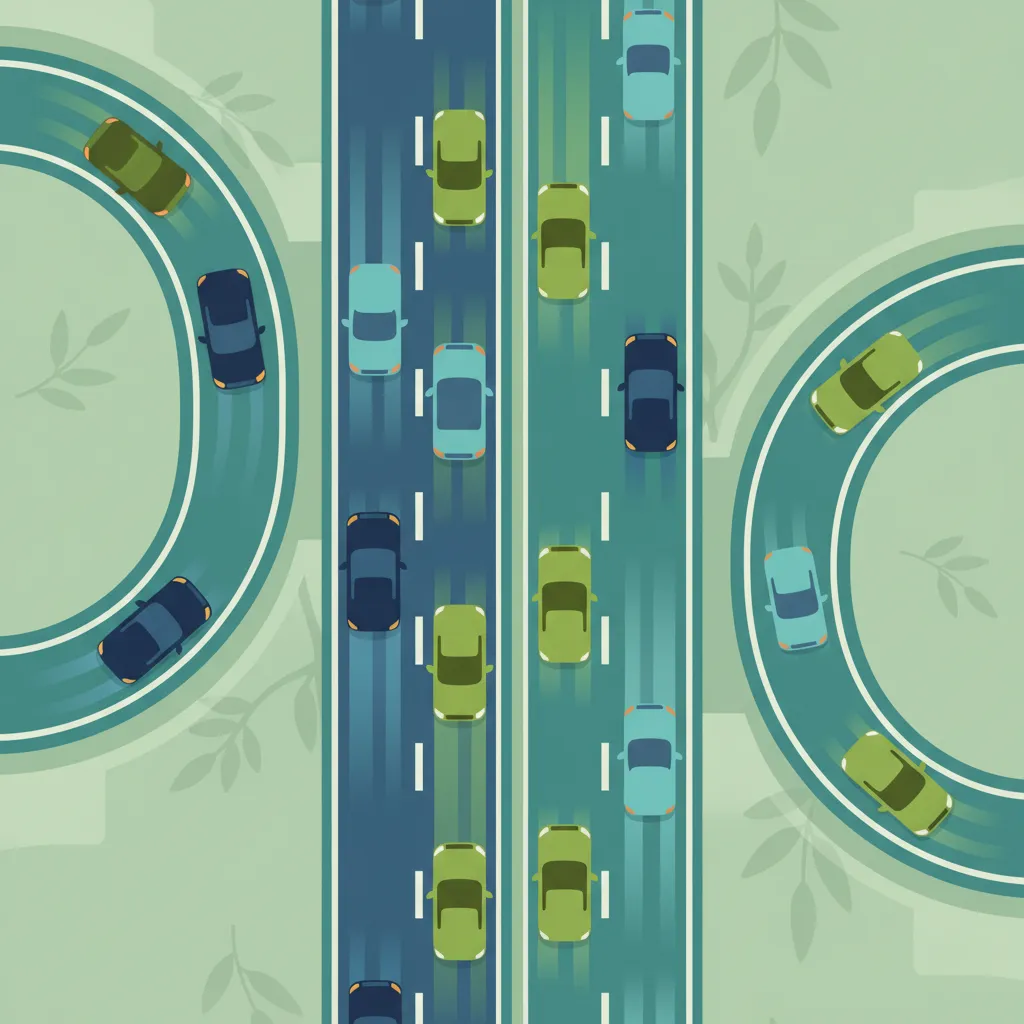
This lesson defines proper lane discipline on highways, emphasizing correct lane positioning and the rule to drive in the right-hand lane except when overtaking. It details safe merging onto main carriageways from an acceleration lane and effective exit strategies using deceleration lanes. Learners will understand DGT merge rules and the importance of signaling lane changes early.
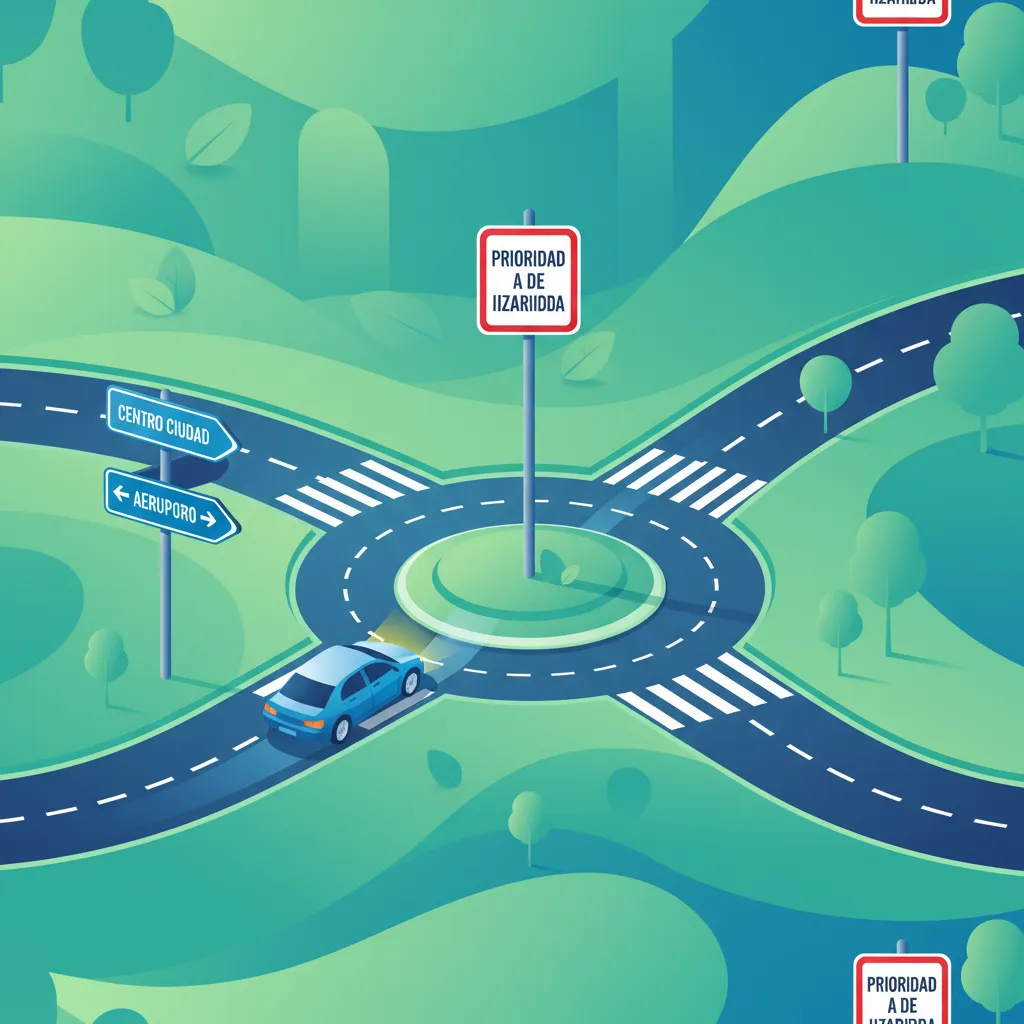
This lesson presents the variety of signs that guide drivers through roundabout navigation. It explains the significance of the roundabout warning symbol, priority signs, lane arrows, and directional signs placed before and within the roundabout. Mastery of roundabout signage ensures that drivers follow legal requirements and maintain safe traffic flow.

This lesson outlines the proper use and legal requirements of vehicle lighting and mirror systems. It covers headlamps, fog lights, turn signals, and brake lights, clarifying when each must be used according to DGT regulations. The lesson also explains the correct adjustment of rearview and side mirrors and strategies for effective blind-spot monitoring.
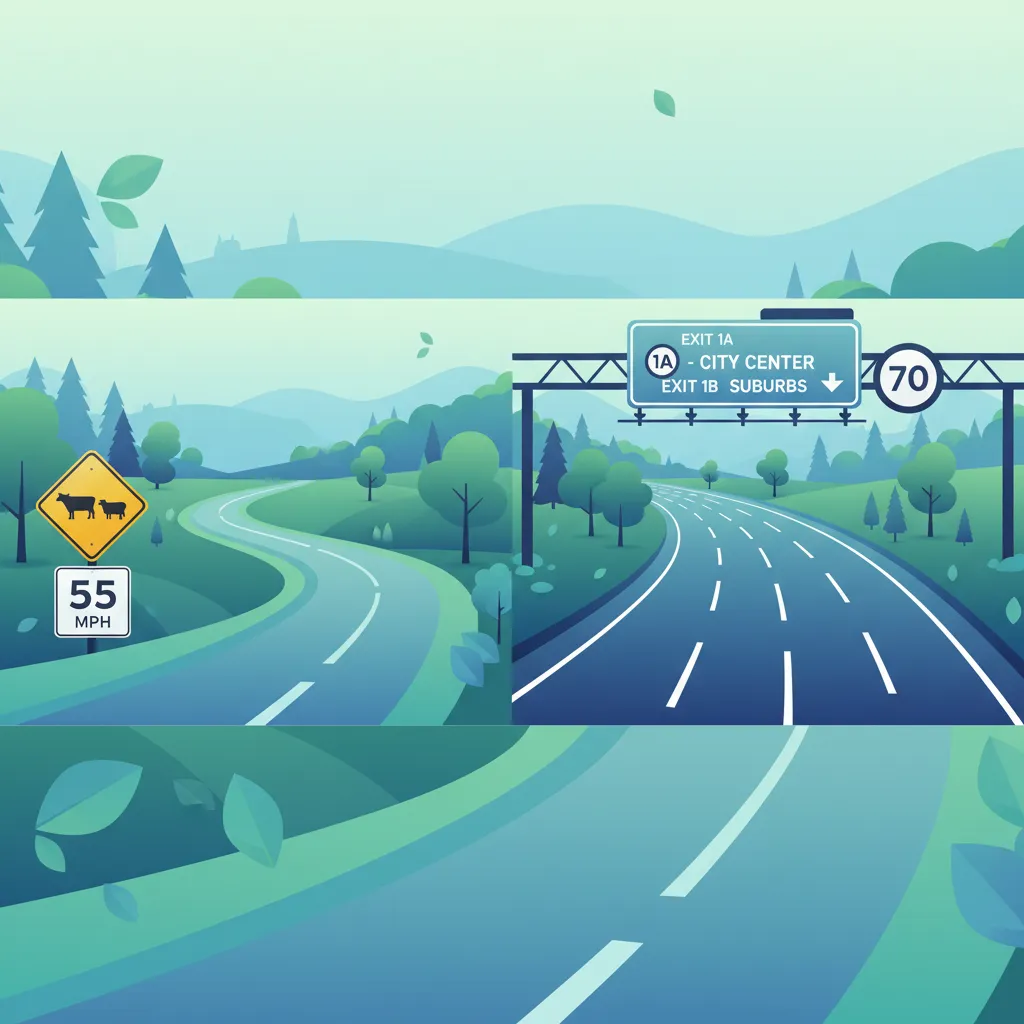
This lesson focuses on the specific signage systems used in rural and highway environments in Spain. It explains how to interpret directional signs, exit numbering, distance markers, and signs for services like fuel and rest areas. Understanding these signs is crucial for effective navigation and safe driving at high speeds.
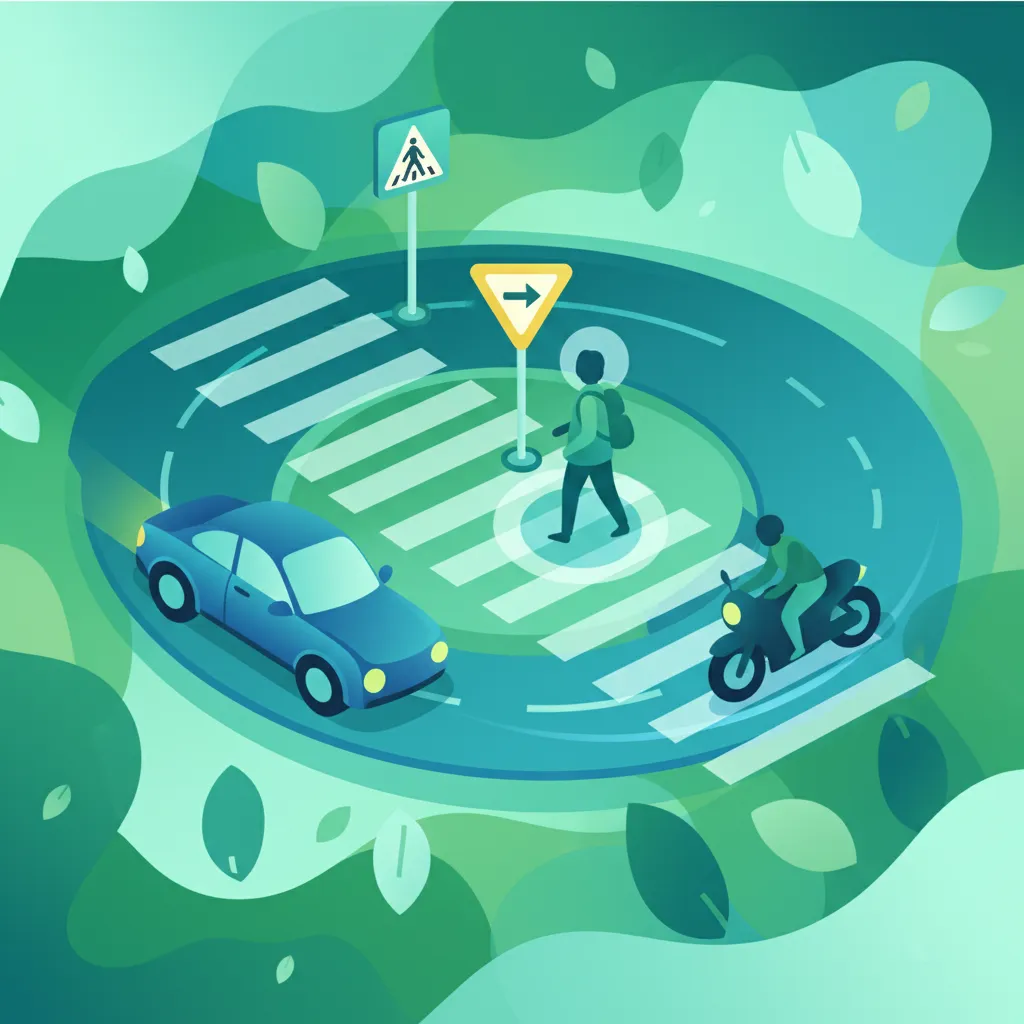
This lesson outlines the proper techniques for negotiating roundabouts and signal-controlled intersections in Spain. It explains priority rules at entry, lane selection based on the intended exit, and yielding to circulating traffic. The content also covers compliance with traffic signals and DGT regulations, including handling cyclist crossings.

This lesson focuses on the comprehensive understanding of traffic light signals and their timing sequences. It defines the meanings of steady red, amber, and green lights, as well as flashing amber and arrow signals. The content also covers pedestrian and cyclist phases, describing the actions drivers must take during each signal change to maintain safety and compliance.
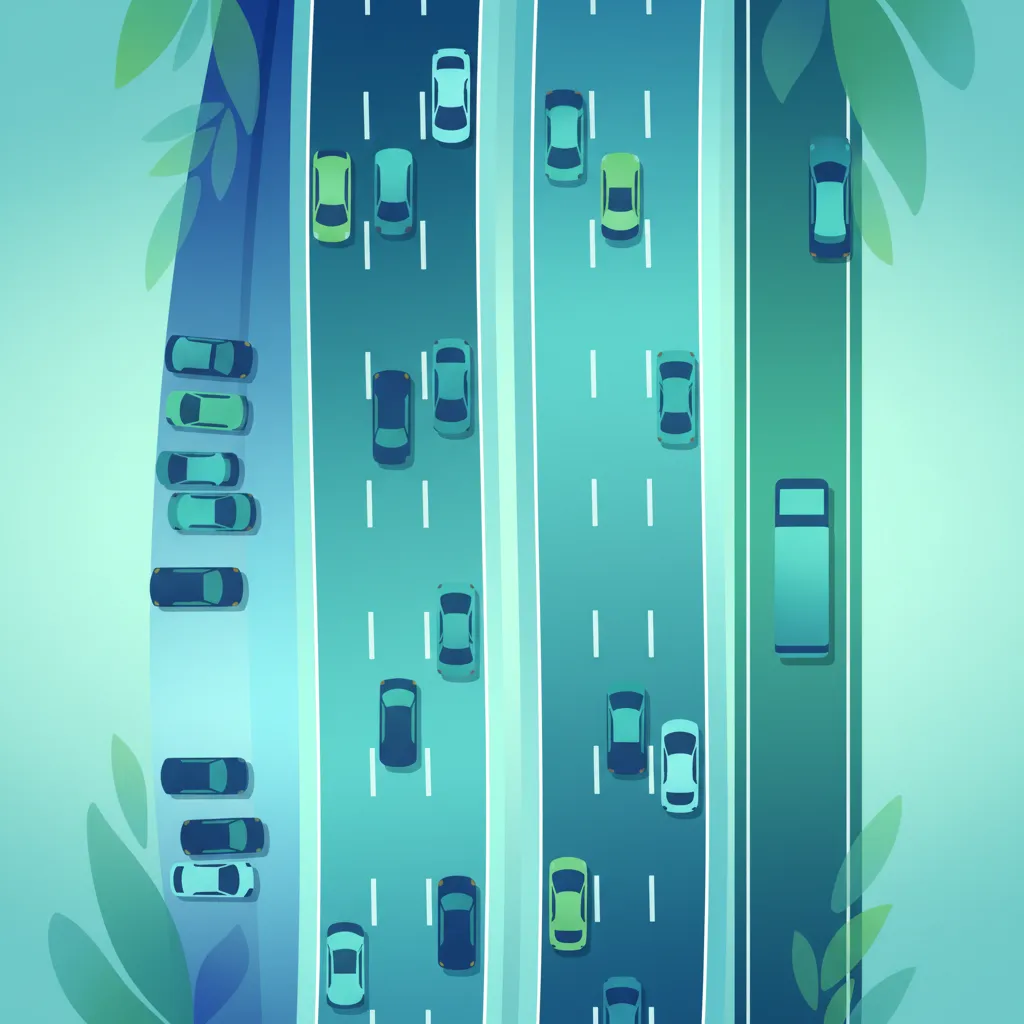
This lesson explains the designated functions of different parts of a highway system. It covers the legal and appropriate use of carriageways, the specific emergency-only use of the hard shoulder (arcén), and the purpose of service roads. The content clarifies DGT regulations for each, ensuring drivers know where they can and cannot drive or stop.
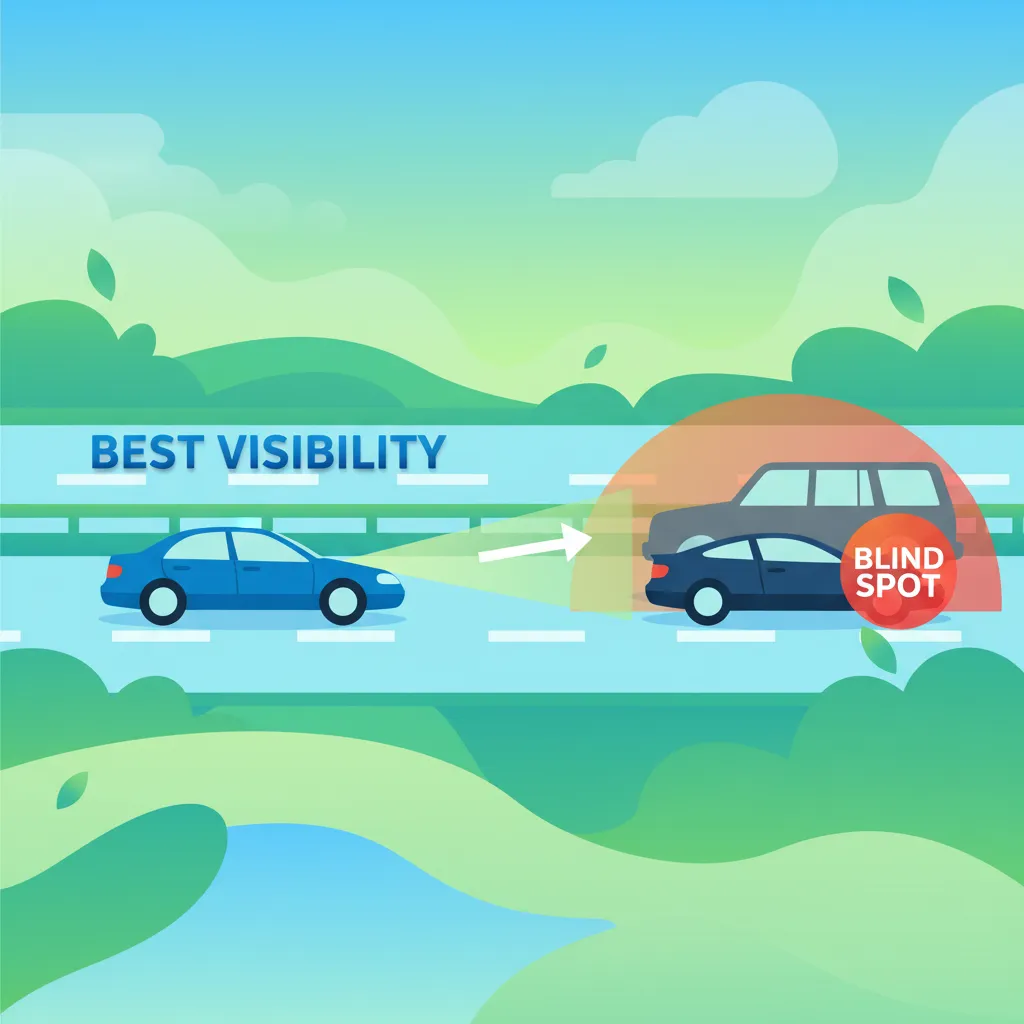
This lesson explores proper lane positioning, emphasizing strategic selection of traffic lanes for optimal visibility. It explains the importance of rider line of sight and peripheral vision in maintaining situational awareness. The content also covers legal aspects of lane splitting and correct usage of road shoulders, abiding by DGT regulations.
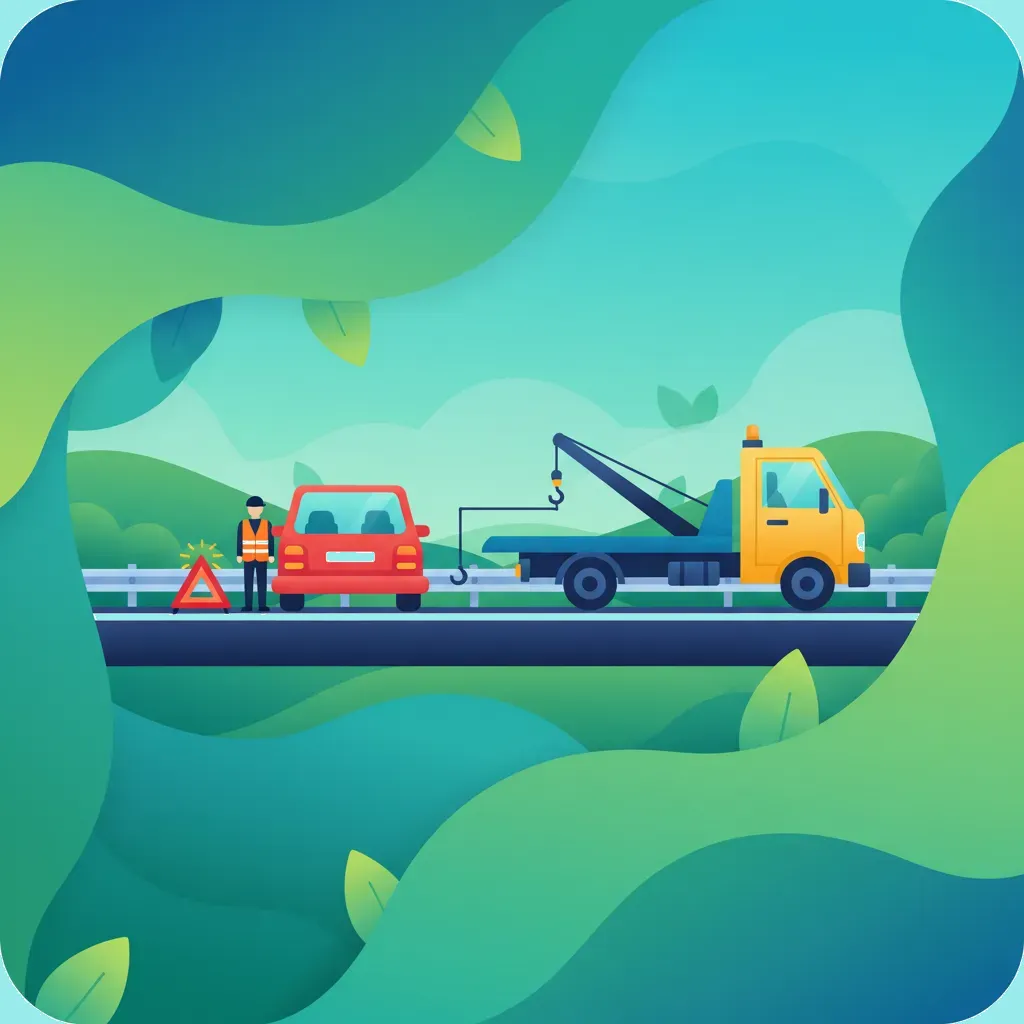
In this lesson, drivers learn the correct actions to take during a vehicle breakdown. It outlines steps for safely stopping on the hard shoulder, activating hazard lights, and deploying warning devices like the triangle or V16 light. The lesson covers DGT procedures for roadside emergencies, including wearing a high-visibility vest and contacting assistance safely.
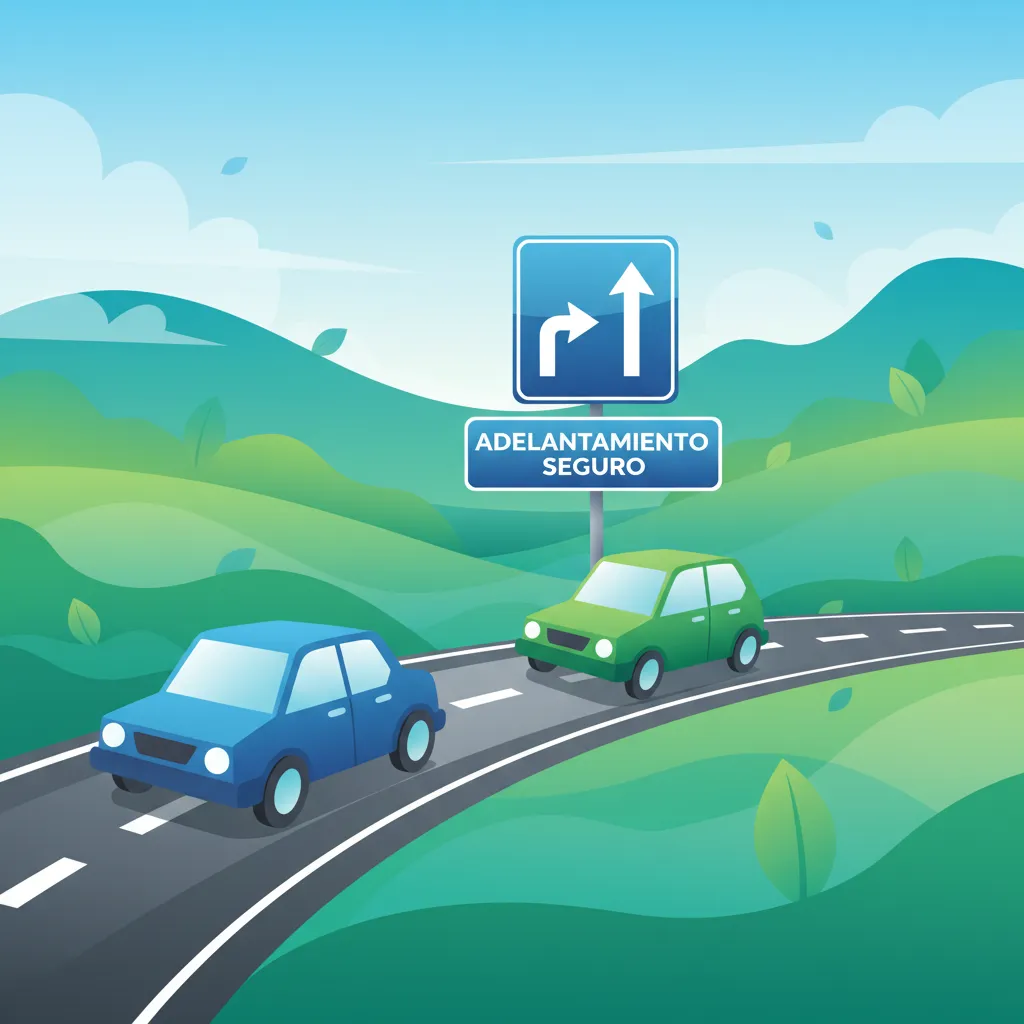
This lesson covers the legal overtaking procedures applicable on different road types, focusing on identifying safe passing zones and executing maneuvers correctly. Learners will be taught how to maintain adequate safety distances before, during, and after overtaking. The content includes DGT regulations for overtaking, appropriate signaling, and visibility checks to ensure safe completion of the maneuver.
Identify and understand frequent errors learners make regarding solid and broken lines, directional arrows, and exclusive lanes. Learn how to avoid violations and improve road safety in Spain.
This lesson covers the legal overtaking procedures applicable on different road types, focusing on identifying safe passing zones and executing maneuvers correctly. Learners will be taught how to maintain adequate safety distances before, during, and after overtaking. The content includes DGT regulations for overtaking, appropriate signaling, and visibility checks to ensure safe completion of the maneuver.
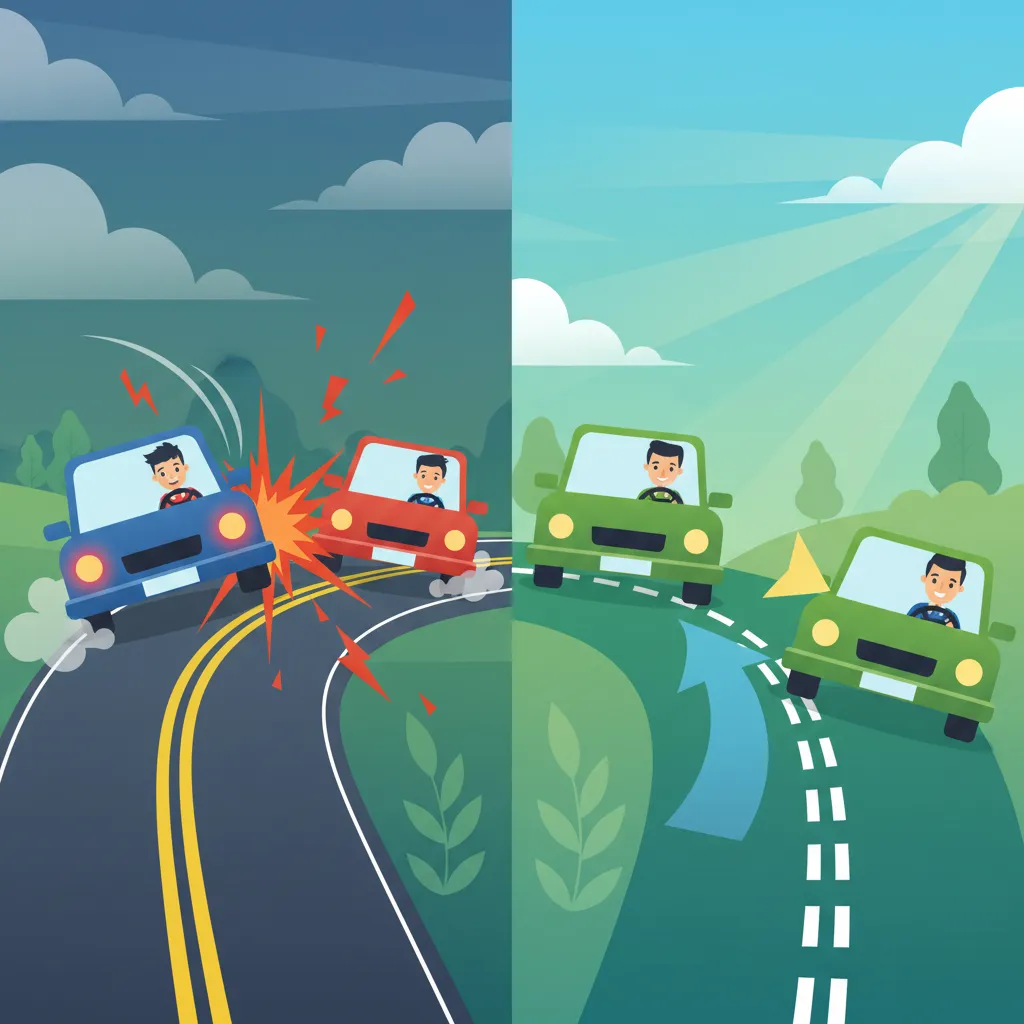
This lesson addresses common errors made by drivers when using roundabouts and presents corrective strategies. It covers issues such as entering from the wrong lane, failing to yield to circulating traffic, exceeding the recommended speed, and not signaling an exit correctly. By understanding these mistakes, drivers can improve their roundabout proficiency and reduce accident risk.
This lesson defines proper lane discipline on highways, emphasizing correct lane positioning and the rule to drive in the right-hand lane except when overtaking. It details safe merging onto main carriageways from an acceleration lane and effective exit strategies using deceleration lanes. Learners will understand DGT merge rules and the importance of signaling lane changes early.

This lesson focuses on the yielding hierarchy that governs roundabout usage in Spain. It clarifies that vehicles already circulating have priority over those entering and explains the proper lane positioning based on the intended exit. The content includes the correct use of signals for changing lanes and exiting, and safe merging techniques.
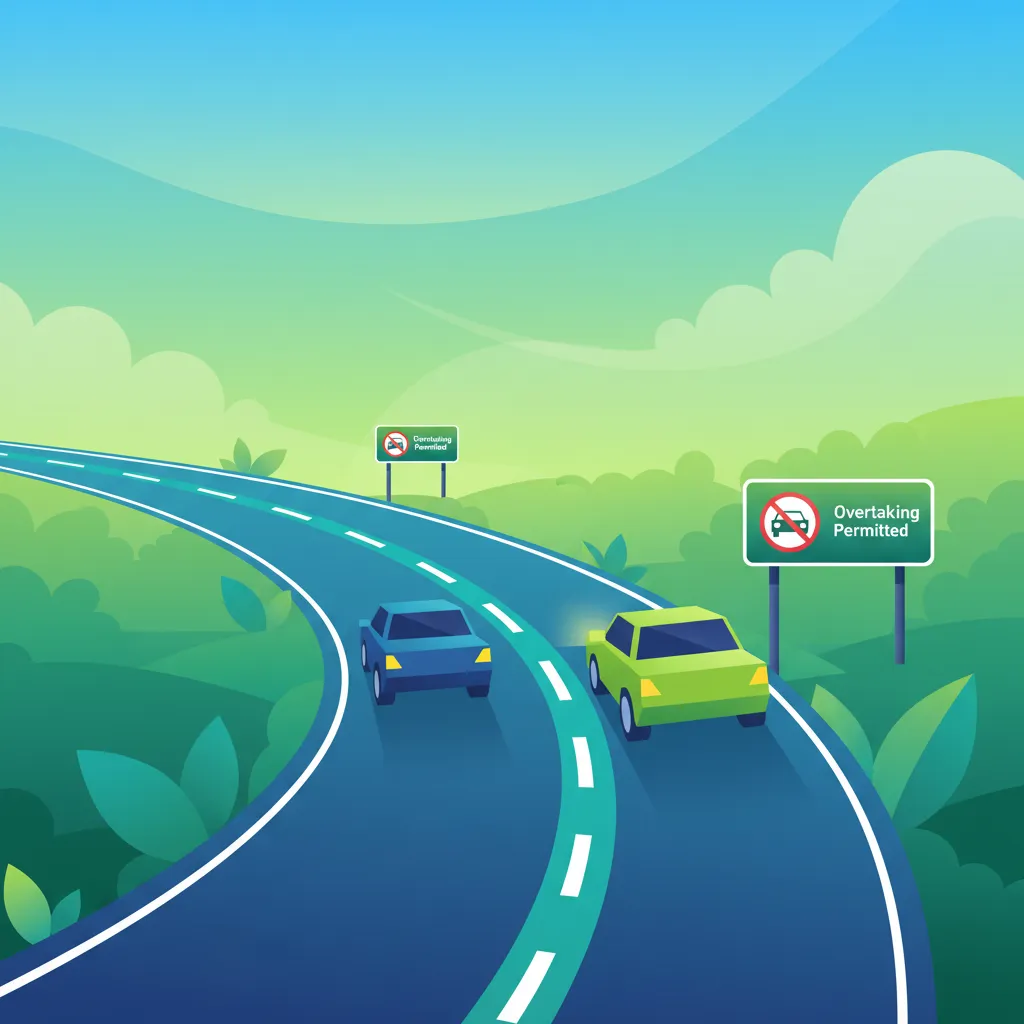
This lesson focuses on the principles of safe lane selection and overtaking on multi-lane roads and highways. It covers the importance of maintaining proper lane discipline and the legal protocols for executing a safe pass, including checking blind spots and ensuring sufficient speed differential. The content also stresses the need for clear signaling and judging adequate space before returning to the original lane.
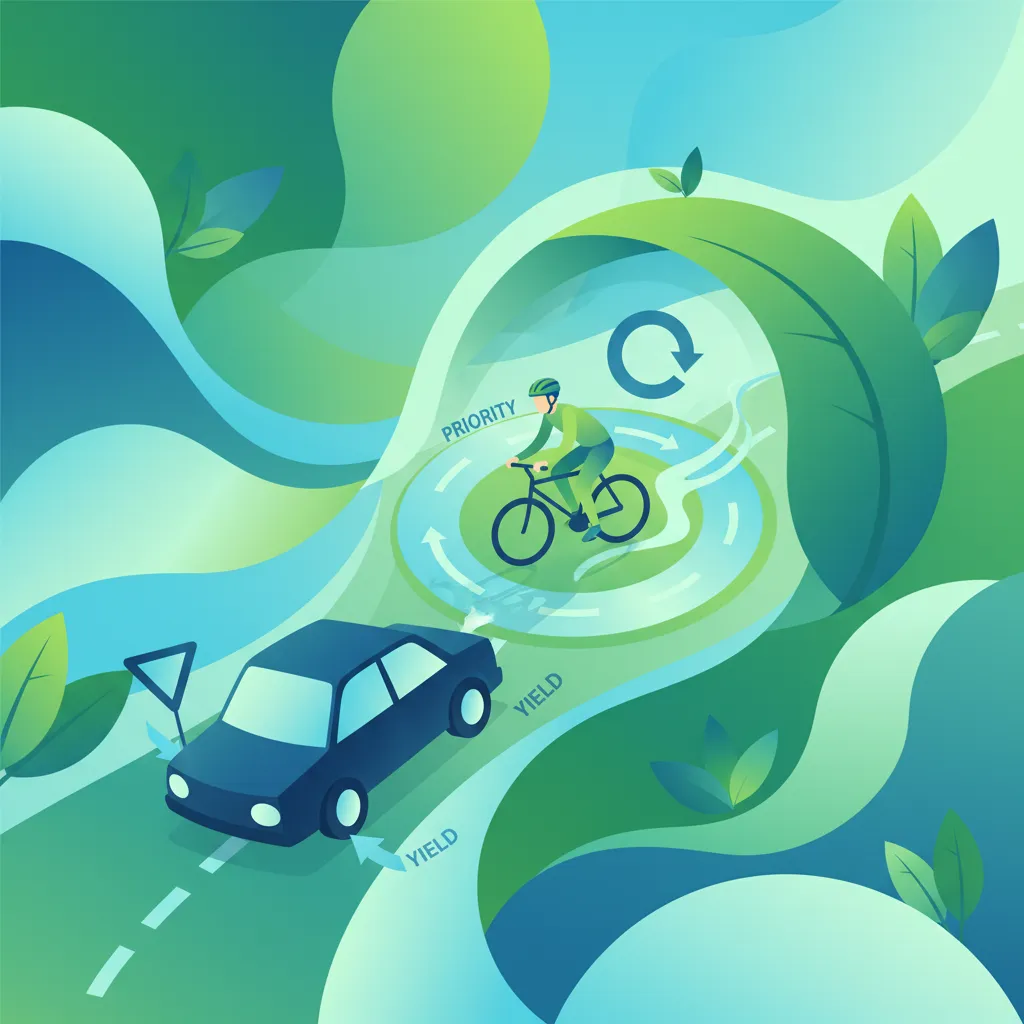
This lesson clarifies the primary rule for roundabouts: all vehicles entering must yield to traffic already on the circular roadway. It explains how to approach a roundabout, select the appropriate lane based on the intended exit, and merge safely into the flow of traffic. Proper signaling before exiting is also covered, ensuring other drivers can anticipate the rider's movements for a smooth and safe negotiation of the junction.
This lesson outlines the proper techniques for negotiating roundabouts and signal-controlled intersections in Spain. It explains priority rules at entry, lane selection based on the intended exit, and yielding to circulating traffic. The content also covers compliance with traffic signals and DGT regulations, including handling cyclist crossings.

This lesson details overtaking rules specific to motorcyclists, covering safe zones, required visibility distance, and assessment of oncoming traffic. It emphasizes the importance of speed matching and correct timing of lane changes. The module references DGT regulations, including conditions for passing on the left or right in various environments.

This lesson addresses overtaking procedures and lane discipline specifically for large coaches, emphasizing correct lane positioning and safe passing practices on multi-lane highways. It covers the legal rules for overtaking, the critical need for comprehensive blind spot checks before changing lanes, and the importance of signaling intentions early. Learners will also be taught how to maintain appropriate safety gaps when maneuvering around slower-moving traffic.
This lesson outlines the proper use and legal requirements of vehicle lighting and mirror systems. It covers headlamps, fog lights, turn signals, and brake lights, clarifying when each must be used according to DGT regulations. The lesson also explains the correct adjustment of rearview and side mirrors and strategies for effective blind-spot monitoring.
Find clear answers to common questions learners have about Lanes and Road Markings. Learn how the lesson is structured, which driving theory objectives it supports, and how it fits into the overall learning path of units and curriculum progression in Spain. These explanations help you understand key concepts, lesson flow, and exam focused study goals.
A solid white line means you must not cross it, change lanes, or overtake. It designates the edge of the road or separates lanes where crossing is prohibited. A broken white line indicates that crossing is permitted if it's safe to do so, for example, when changing lanes or overtaking.
Generally, no. Bus lanes marked with a continuous line are exclusively for public transport unless otherwise indicated by specific signage, which is rare for mopeds. Crossing a continuous line into a bus lane is prohibited for AM mopeds, just like for cars.
If you are in a lane with a directional arrow indicating a turn (e.g., left or right) and you wish to go straight, you must change lanes safely and legally before reaching that arrow. Once you are in a lane with a specific directional arrow, you are generally obliged to follow its direction.
Double solid white lines have the same meaning as a single solid line but emphasize the prohibition of crossing even more strongly. They indicate a particularly dangerous stretch of road where overtaking or lane changes are strictly forbidden in both directions. AM mopeds must respect these as any other vehicle.
Road markings often define areas where parking is prohibited (e.g., yellow zigzag lines, solid yellow lines at the curb). Mopeds must not park in these areas, even if small. Specific markings might also designate motorcycle or moped parking zones, which should be used where available.
Use our powerful search functionality to pinpoint specific Spanish DGT driving theory practice sets. Filter by road sign categories, traffic law topics, or question difficulty to build custom study sessions and reinforce your knowledge precisely where it matters for your official exam.