
Access every driving theory lesson in the Swiss Driving Theory D course. Learn the rules, signs, and traffic situations that appear in the official Switzerland driving theory exam. Each lesson focuses on a specific topic to help you study faster, understand more clearly, and improve your chance of passing the Swiss theory test on your first attempt.

Explore all the essential driving theory lessons for your Swiss Category D licence. Reviewing the full scope of traffic rules, road signs, and passenger safety topics prepares you comprehensively for the theory test and practical driving. Master bus and coach driving knowledge for successful licence acquisition.

Learn the specific definitions, vehicle types, and passenger capacity limits for each Swiss passenger transport license category: D, D1, D1E, and DE.

Explore the fundamental legal concept of 'duty of care' as it applies to professional drivers transporting passengers in Switzerland.

Understand the importance of professional conduct and how a driver's behavior shapes the public image of the transport service.
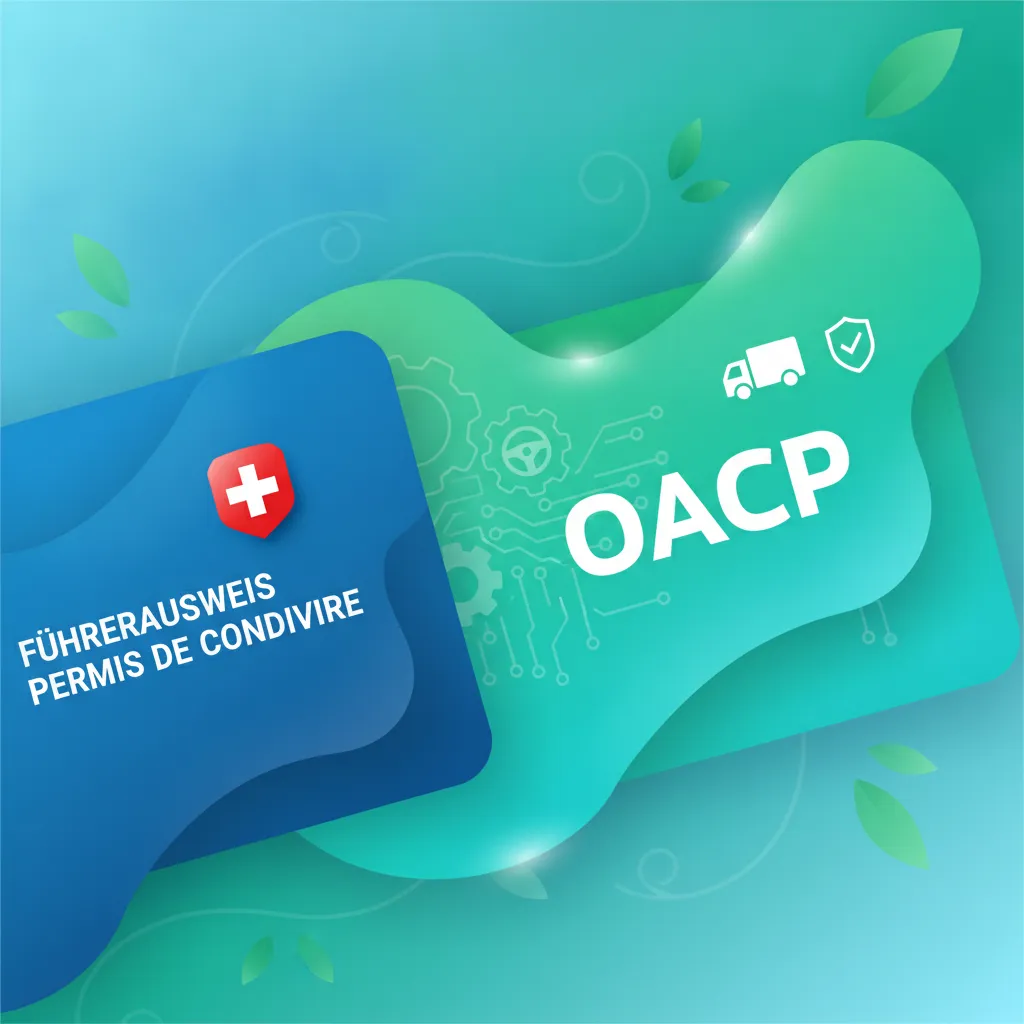
Clarify the difference between the driving license theory (Category D) and the mandatory professional driver qualification (OACP/CPC) in Switzerland.
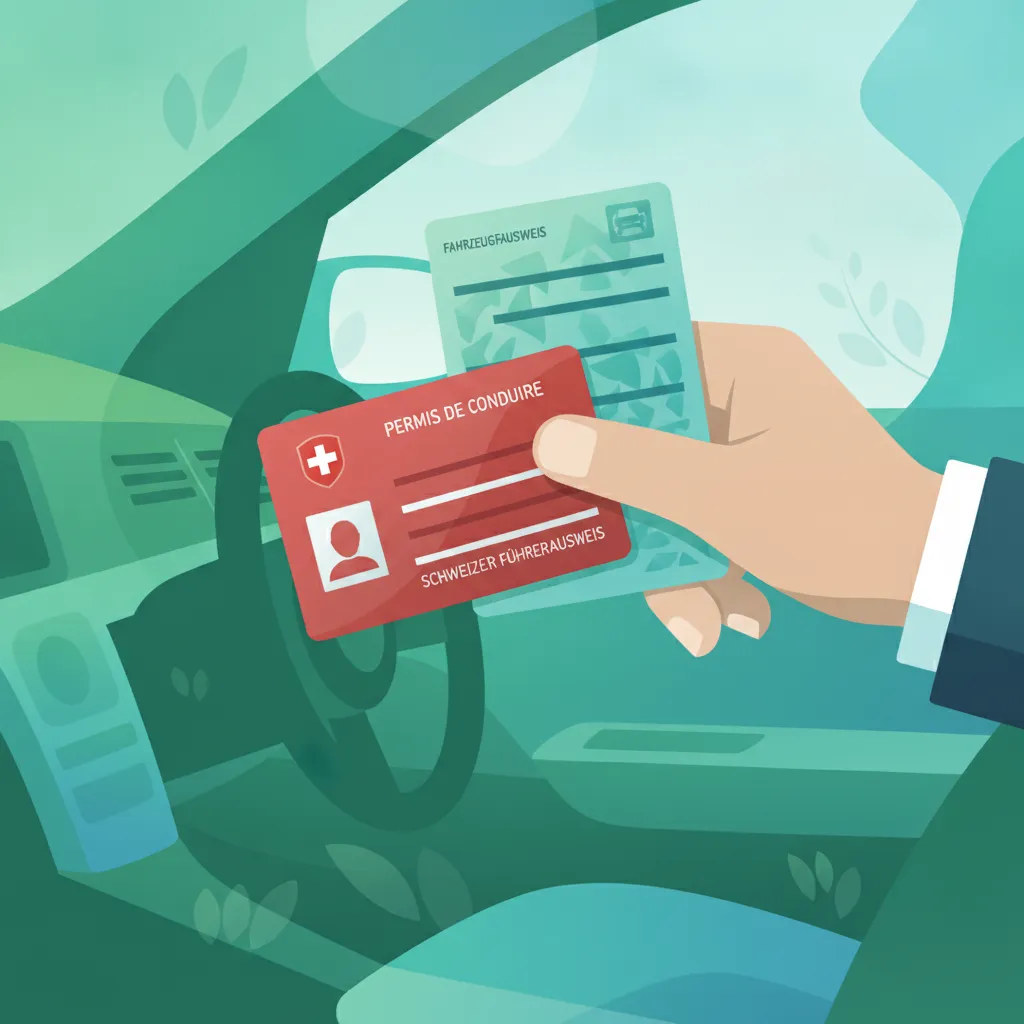
Identify all the essential documents a professional passenger vehicle driver must carry and understand the compliance requirements during roadside checks.

Develop effective communication strategies for interacting with passengers, providing clear information, and managing expectations.
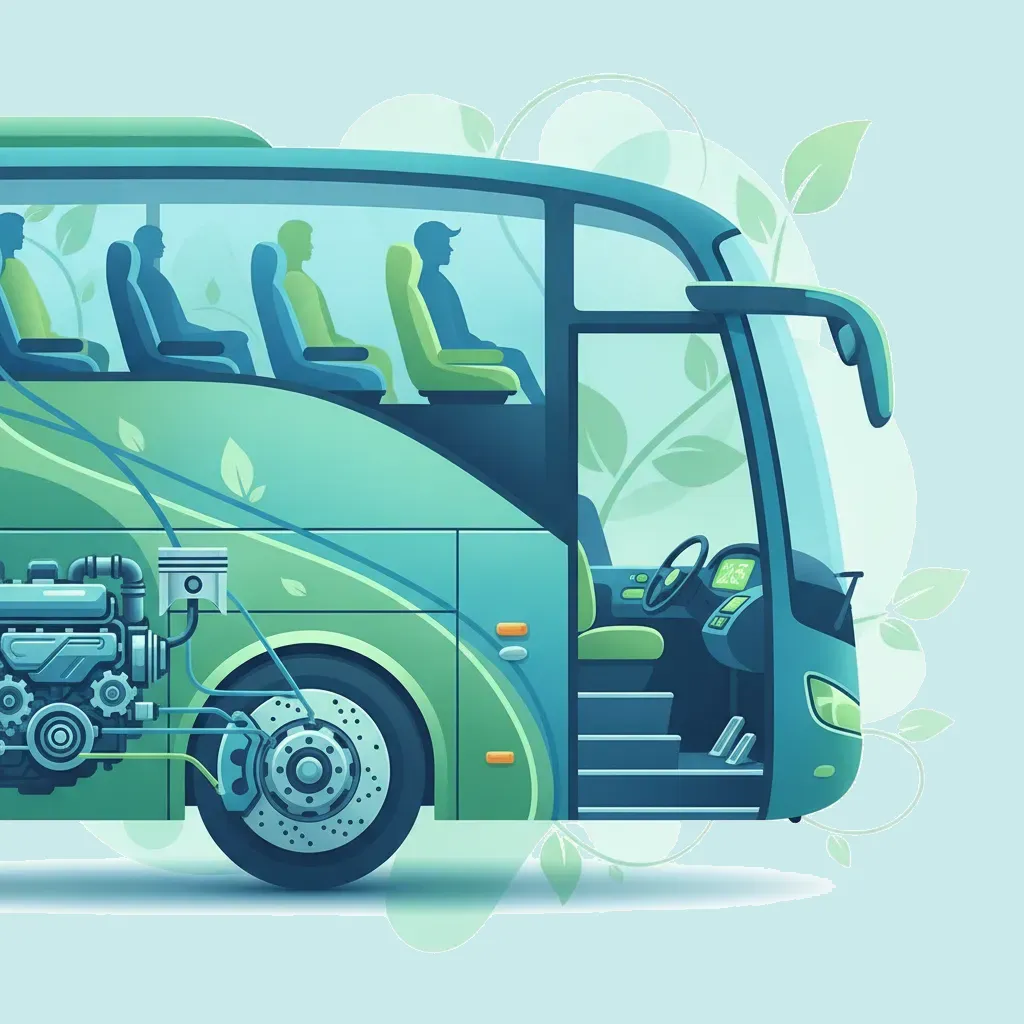
Familiarize yourself with the primary mechanical and safety systems of a modern bus or coach, from the engine to the passenger doors.
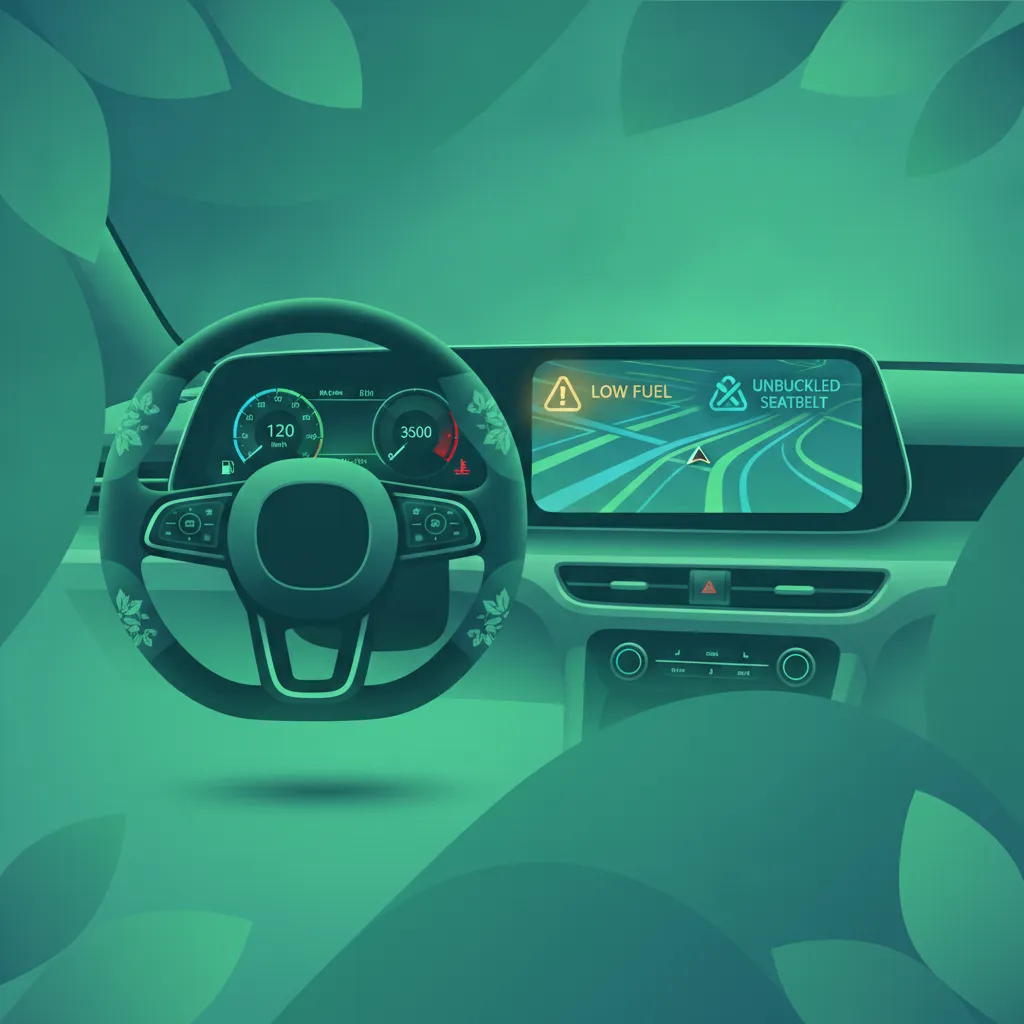
Learn to identify and operate all primary controls, gauges, and warning indicators within the driver's cockpit.
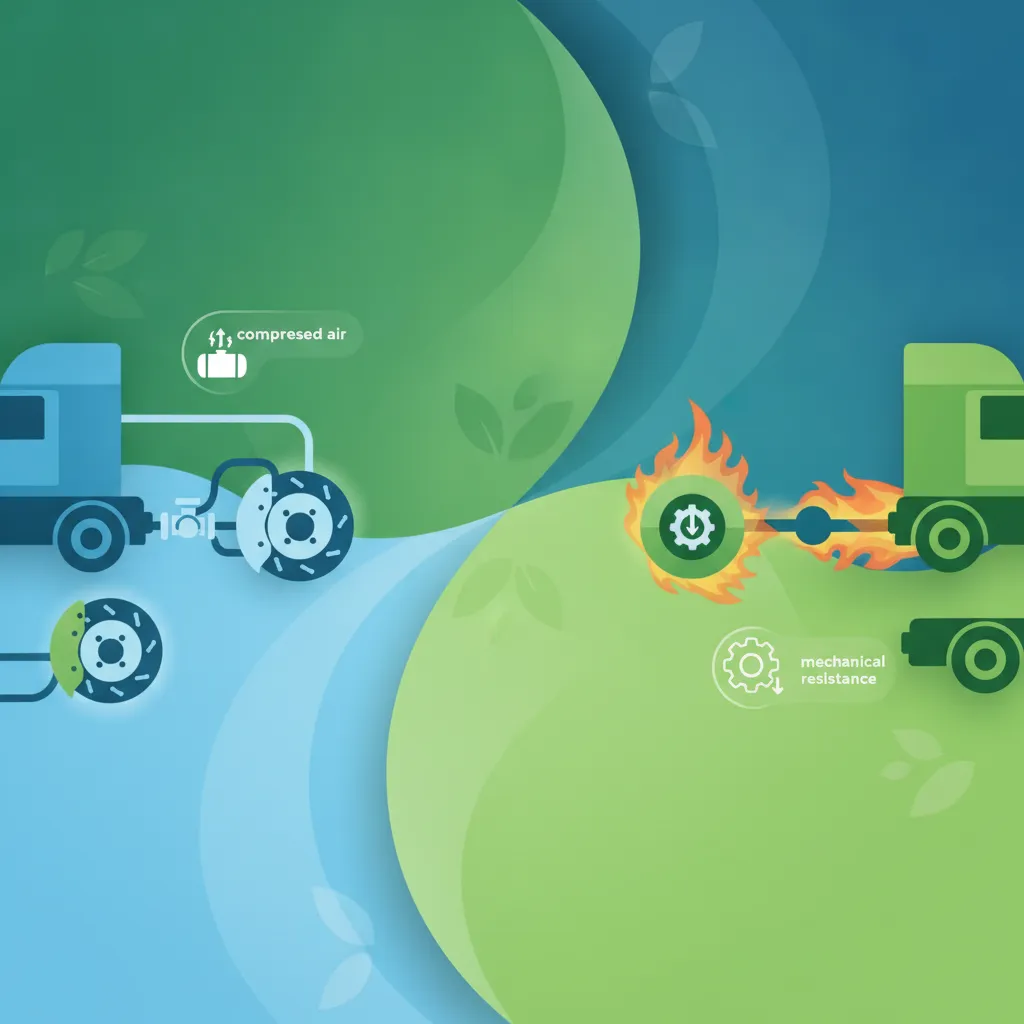
Understand the operation of air brake systems and the function of auxiliary brakes like retarders for safe deceleration.

Master a systematic and repeatable process for conducting a thorough pre-trip walk-around inspection of the vehicle.

Learn how to properly inspect tyres, wheels, and suspension components for signs of wear, damage, and incorrect pressure.

Ensure all lights, signals, mirrors, and camera systems are clean, correctly adjusted, and fully functional.
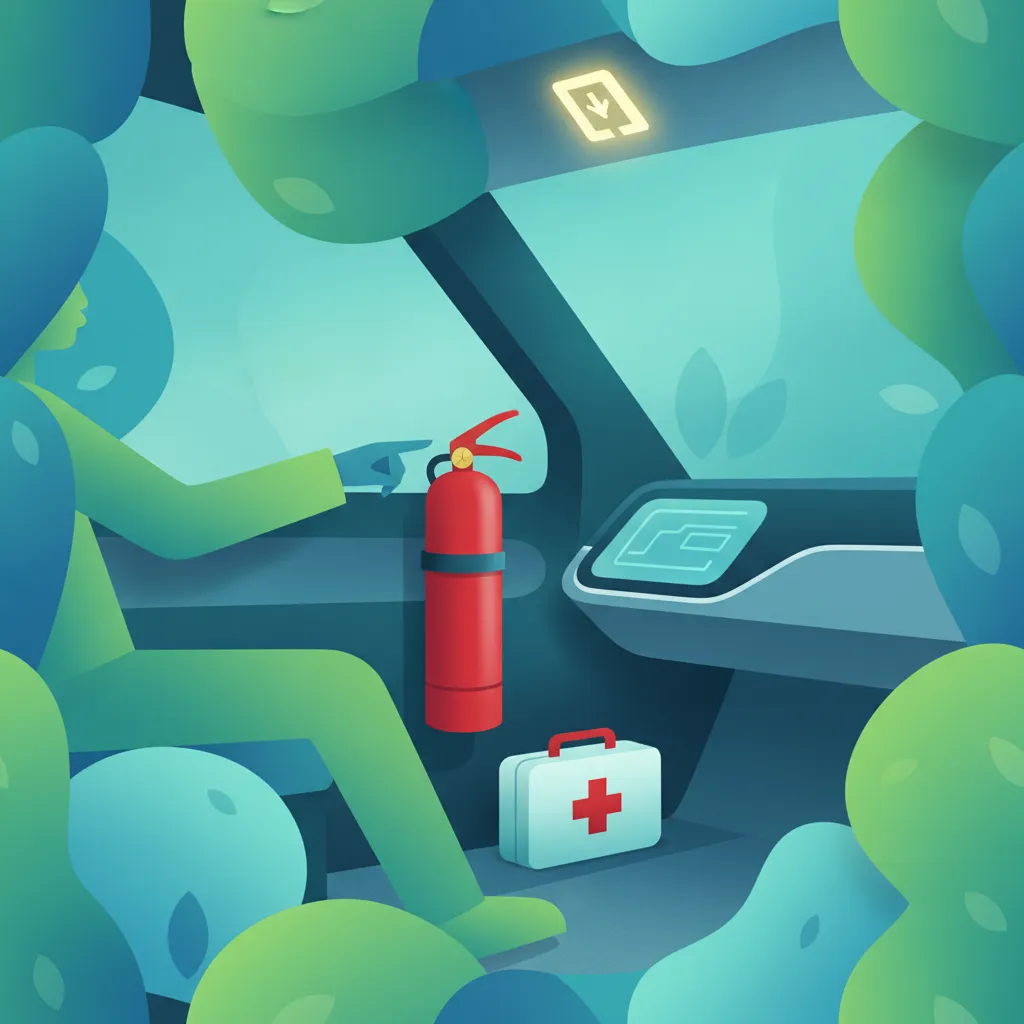
Locate and verify the condition and accessibility of all mandatory on-board safety and emergency equipment.

Learn driving techniques that prioritize passenger comfort and stability through smooth acceleration, braking, and cornering.

Understand the specific risks and responsibilities associated with carrying standing passengers on urban and regional bus routes.
Learn the correct and respectful procedures for assisting passengers with disabilities or reduced mobility.
Master the safe and correct operation of on-board accessibility equipment such as ramps and lifts for wheelchair users.
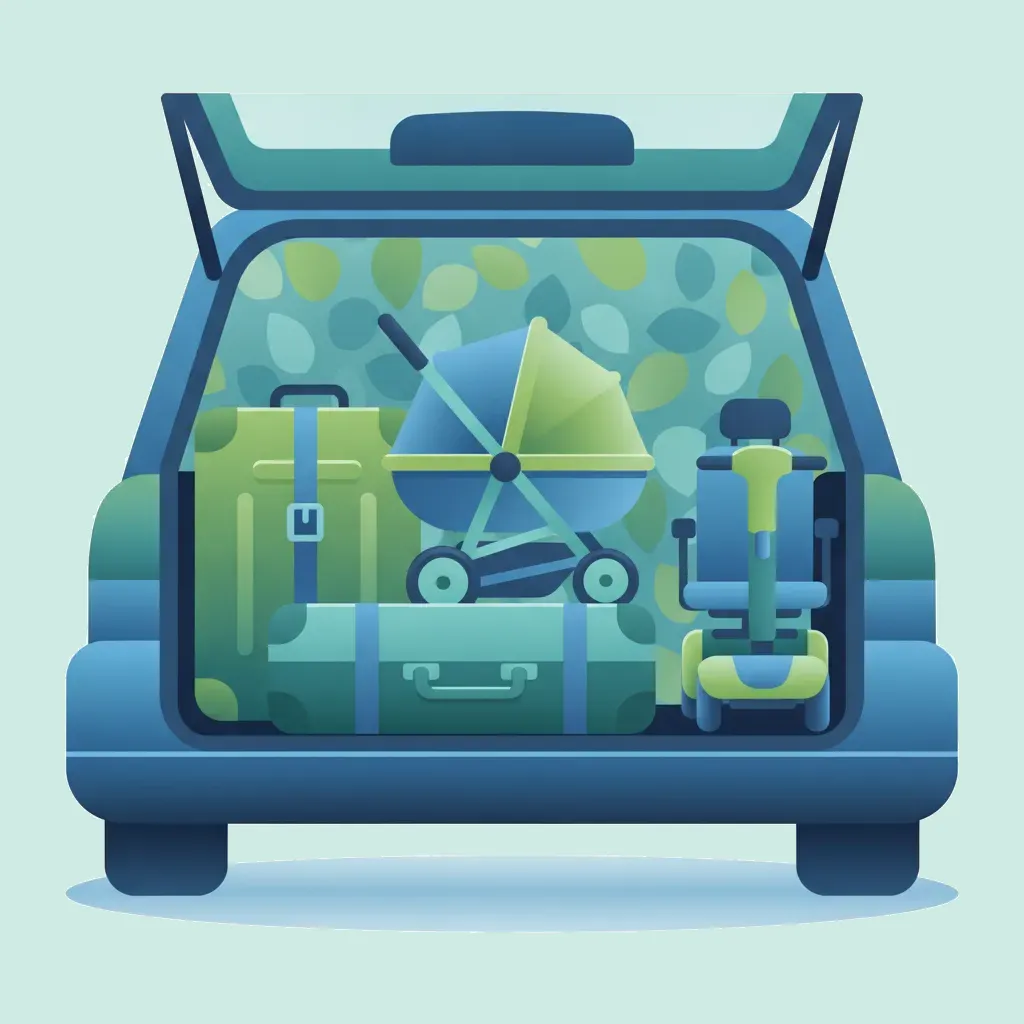
Understand the procedures for ensuring that all luggage, prams, and other large items are stowed securely to prevent movement during travel.

Learn basic de-escalation techniques to manage challenging situations and conflict involving passengers in a calm and professional manner.

Master the art of progressive braking to ensure stops are smooth, predictable, and comfortable for all passengers.

Learn the rules for establishing and maintaining a safe following distance to account for the increased stopping distance of a heavy vehicle.
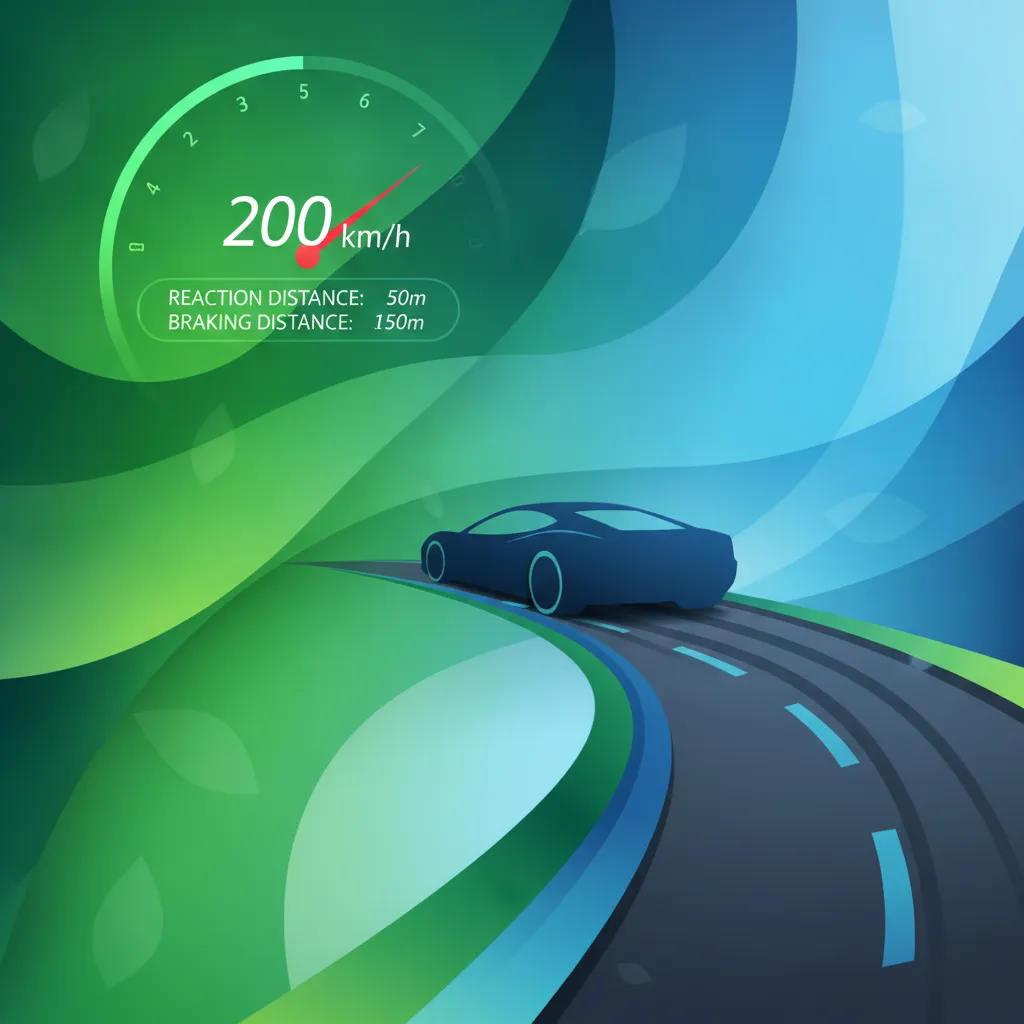
Analyze the various factors that contribute to the total stopping distance of a bus or coach.

Learn how to select a safe and appropriate speed that goes beyond simply adhering to the posted speed limit.
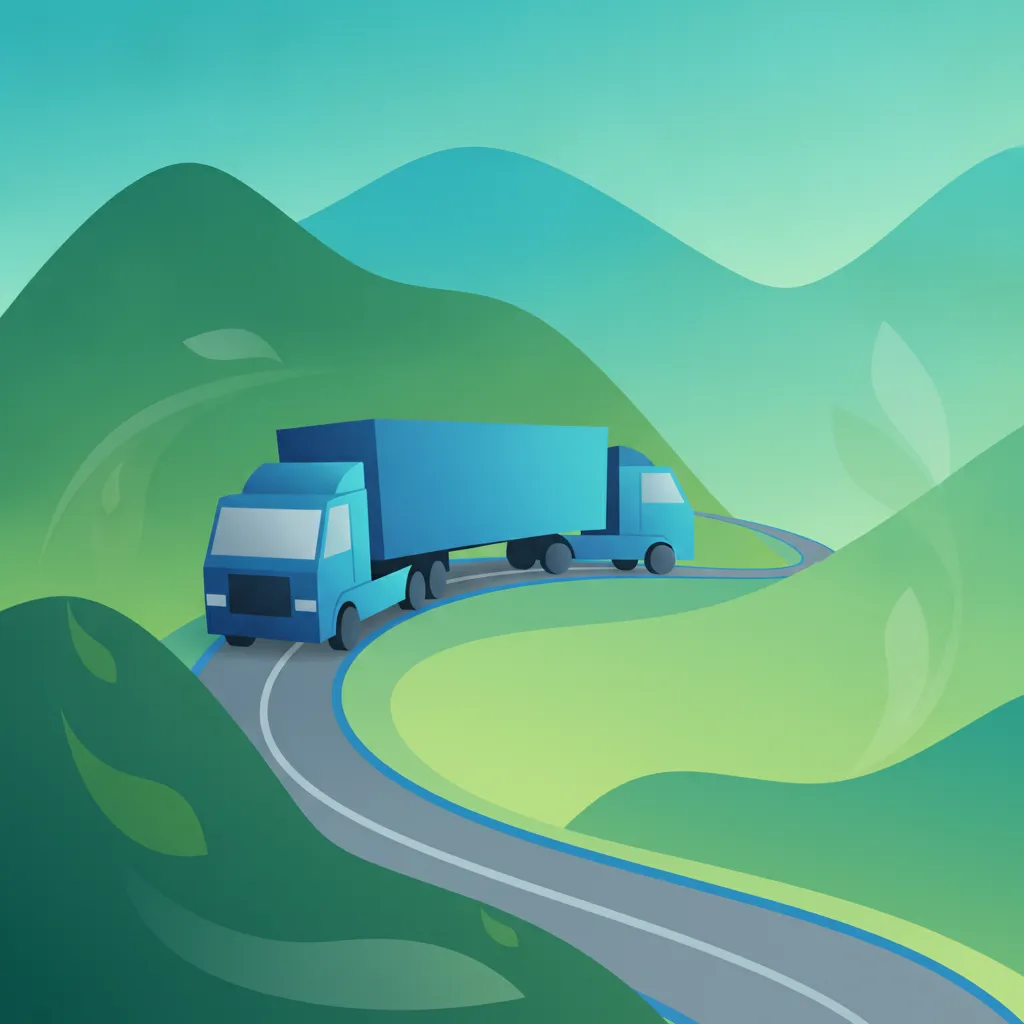
Understand how the height, weight, and load of a passenger vehicle affect its stability, especially in corners and high winds.

Use strategic lane positioning to maximize your visibility and create a safety buffer around your vehicle.
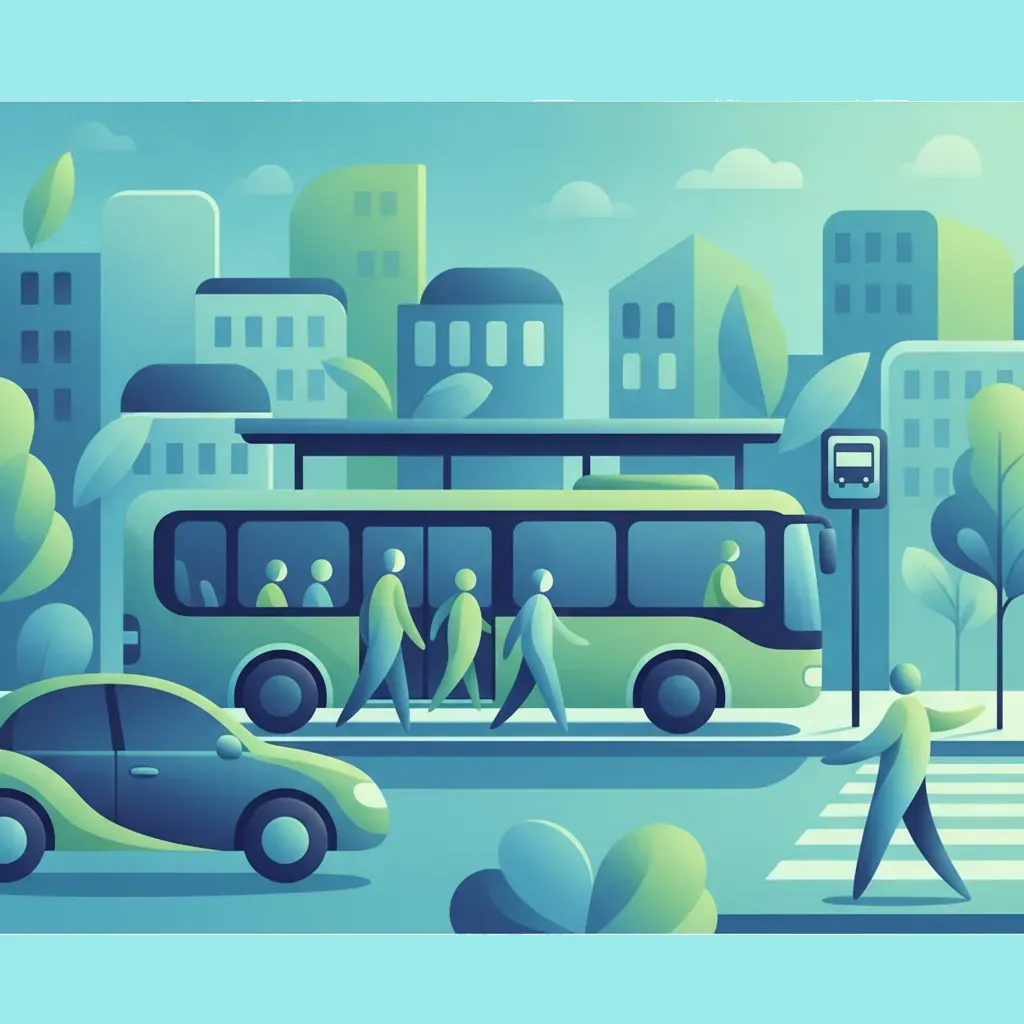
Learn the correct technique for safely approaching a bus stop and positioning the vehicle parallel and close to the kerb.
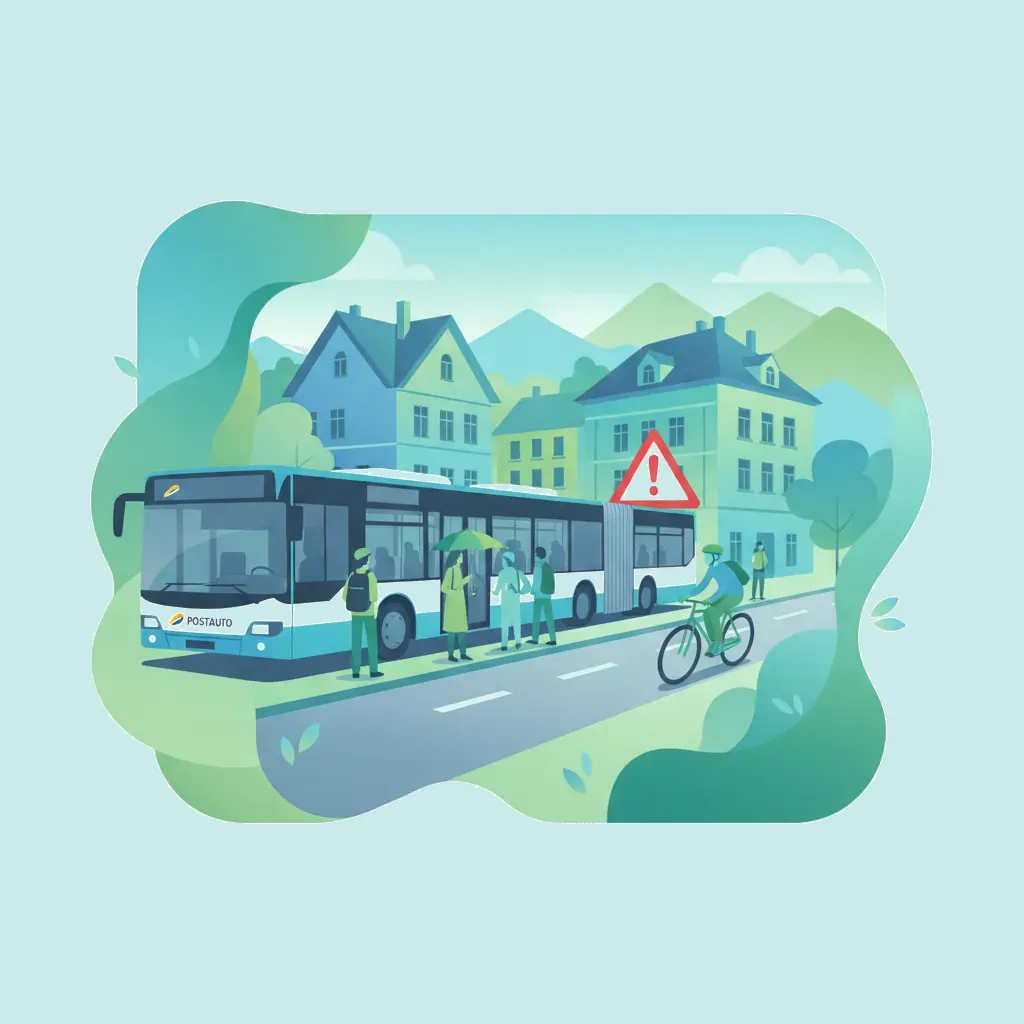
Identify common hazards around bus stops, with a particular focus on the unpredictable behaviour of pedestrians and cyclists.

Understand the safe operation of passenger doors, including the function of safety interlocks and the importance of visual checks.
Learn to effectively supervise the boarding process to ensure passengers move to their seats or standing positions safely before the bus departs.
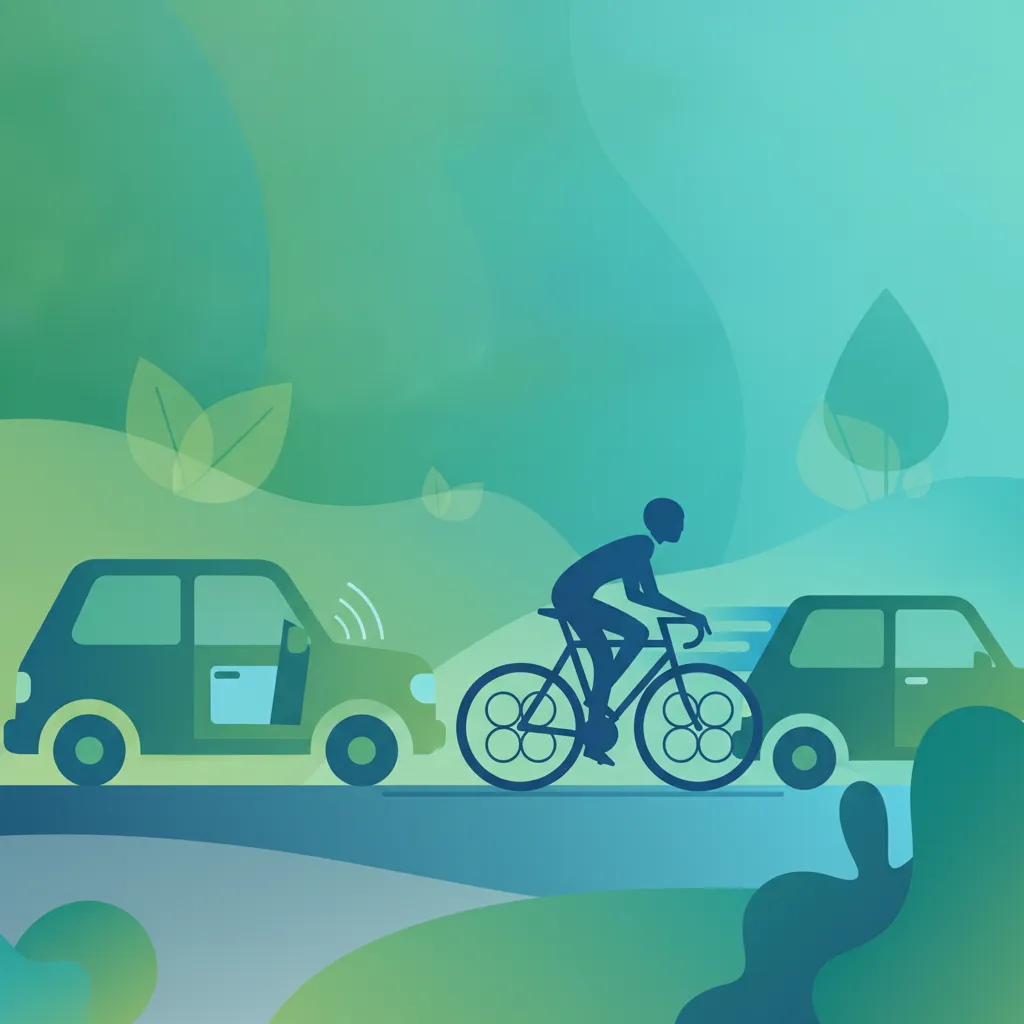
Master the sequence of checks required to ensure all passengers have alighted safely before rejoining the flow of traffic.

Incorporate the critical 'look-last' check of your interior mirror into your routine before pulling away from any stop.

Learn the Swiss rules for using bus lanes, including signage, hours of operation, and who is permitted to use them.
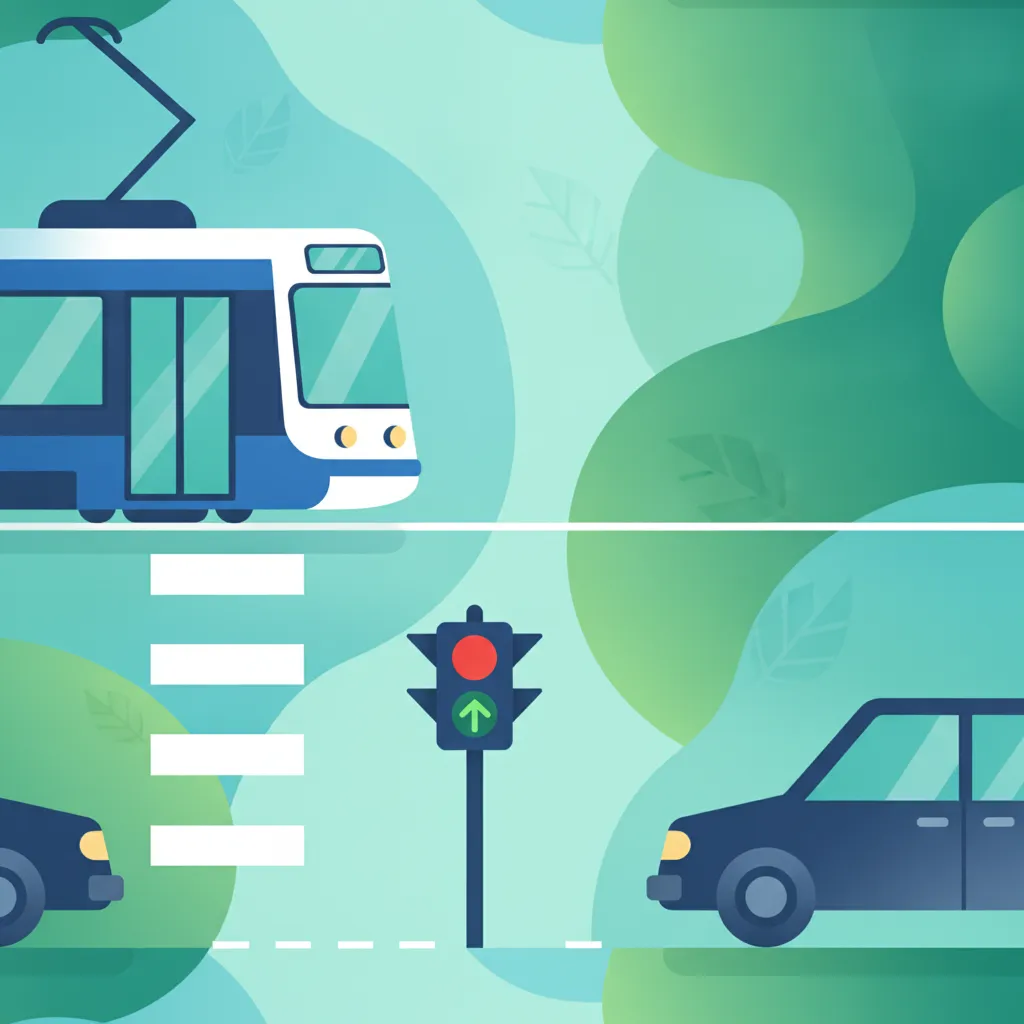
Understand how traffic light priority systems for buses work and how to interpret the specific signals used in Switzerland.
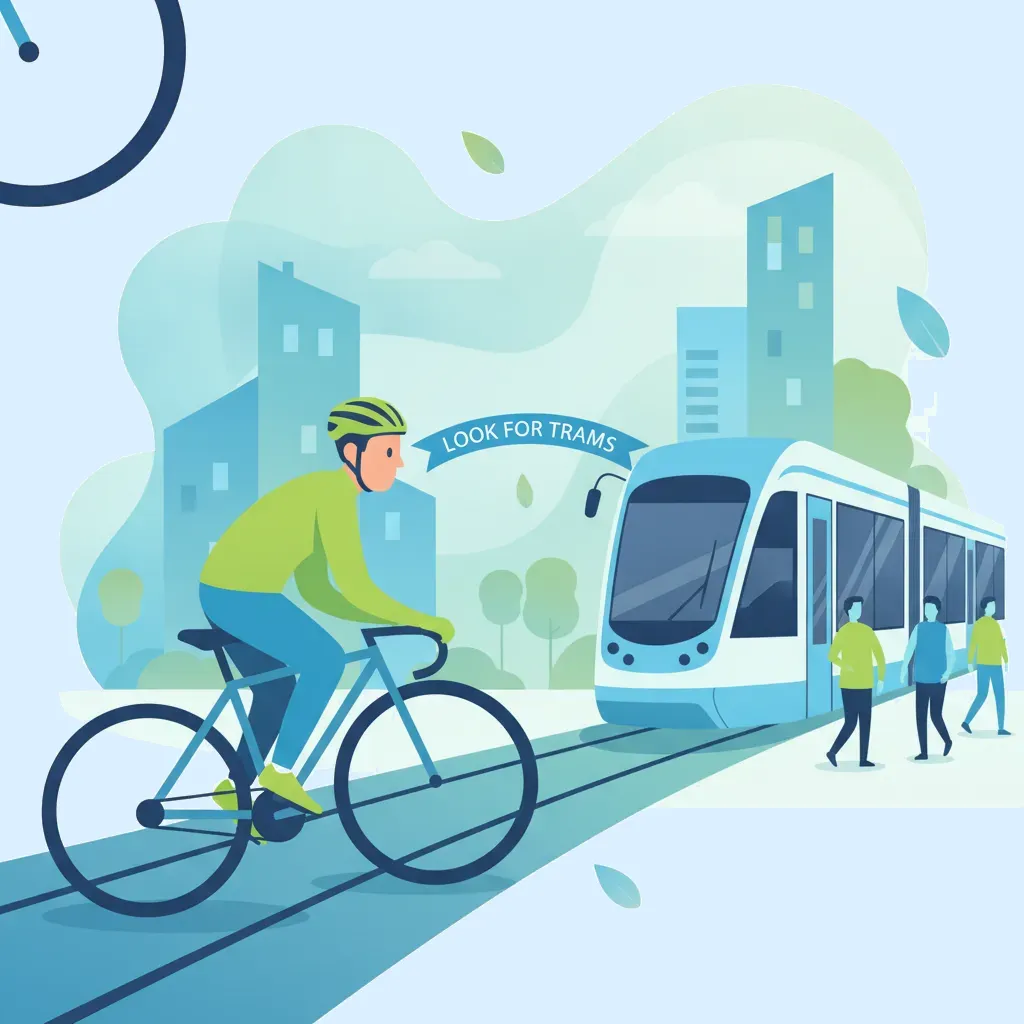
Learn the specific rules and defensive driving techniques for safely sharing the road with trams in Swiss cities.
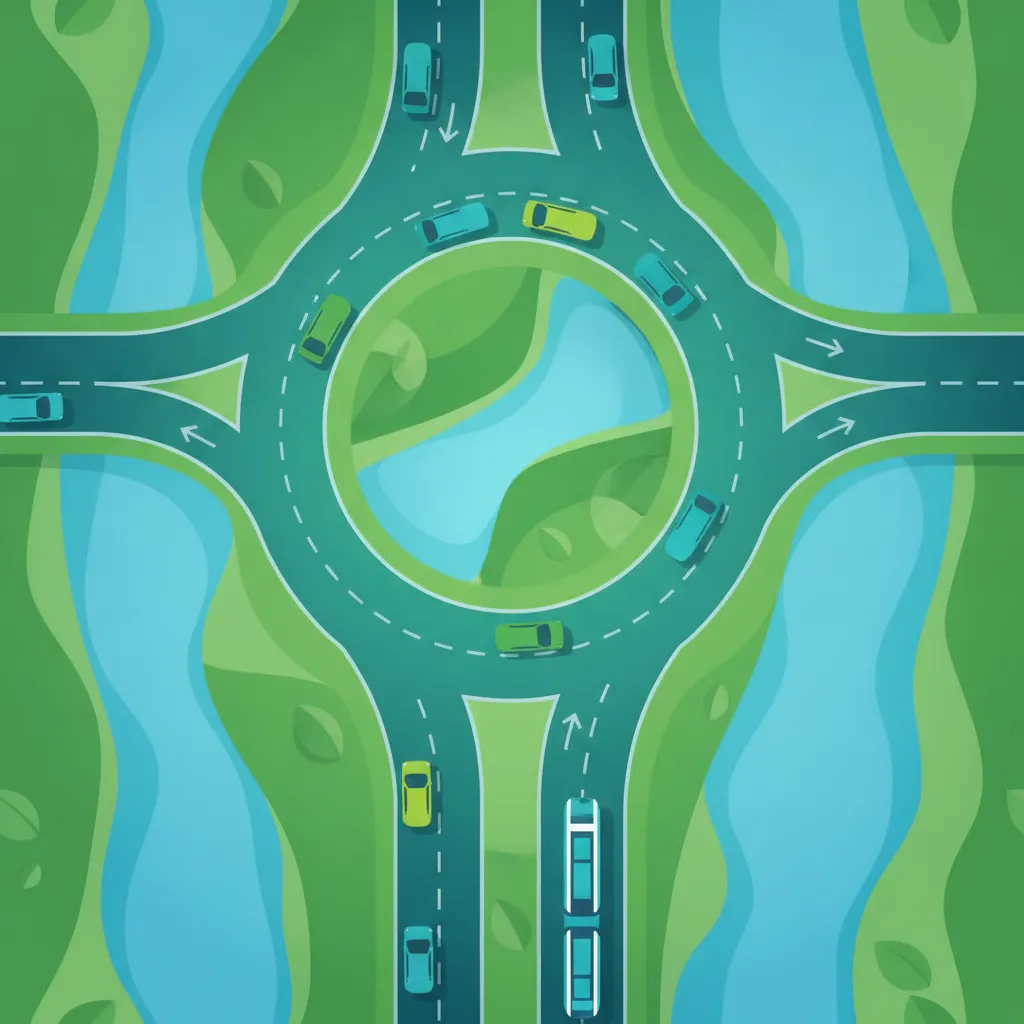
Develop a systematic approach for safely navigating large, complex junctions and multi-lane roundabouts in a long vehicle.
Learn techniques for manoeuvring a large vehicle through the confined spaces of narrow urban streets and historic centres.

Learn to balance the professional requirement for punctuality with the overriding priority of safety, especially when under timetable pressure.

Develop the skill of actively scanning for and anticipating the often-unpredictable actions of vulnerable road users.
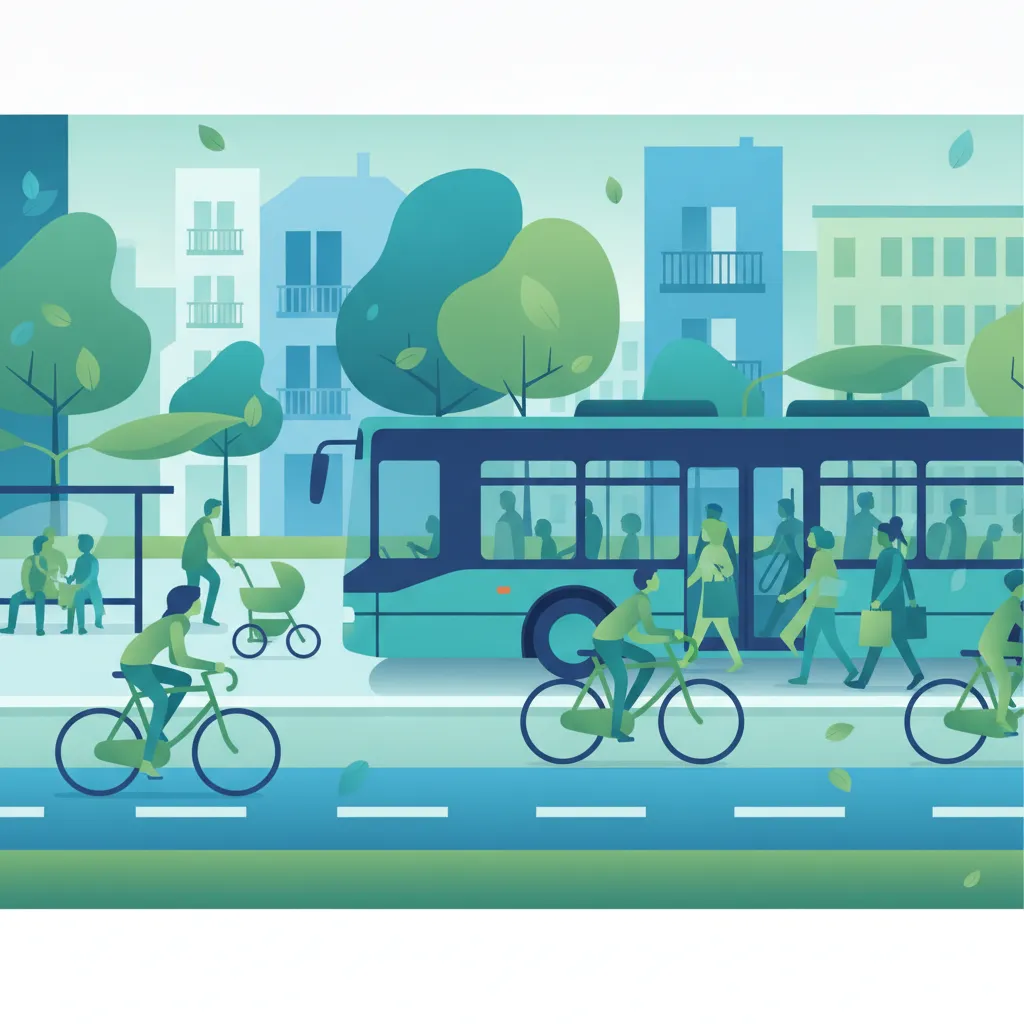
Recognize the specific dangers posed to pedestrians and cyclists in the immediate vicinity of a stopped bus.
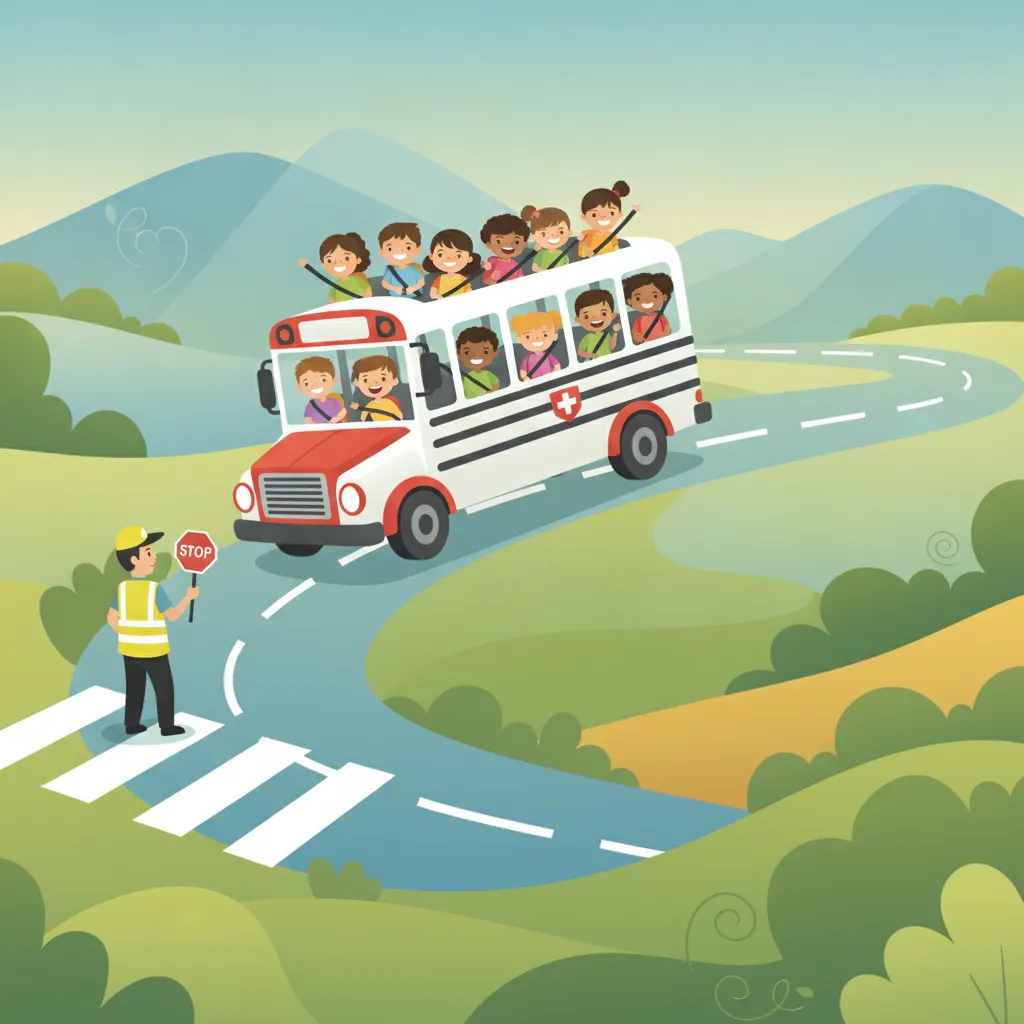
Understand the specific Swiss regulations and heightened duty of care that apply when operating a designated school transport service.

Adopt an extra-cautious driving approach when navigating areas where children are likely to be present, such as schools and residential streets.
Learn to manage the complex and chaotic traffic environment typically found at major railway stations and airports.
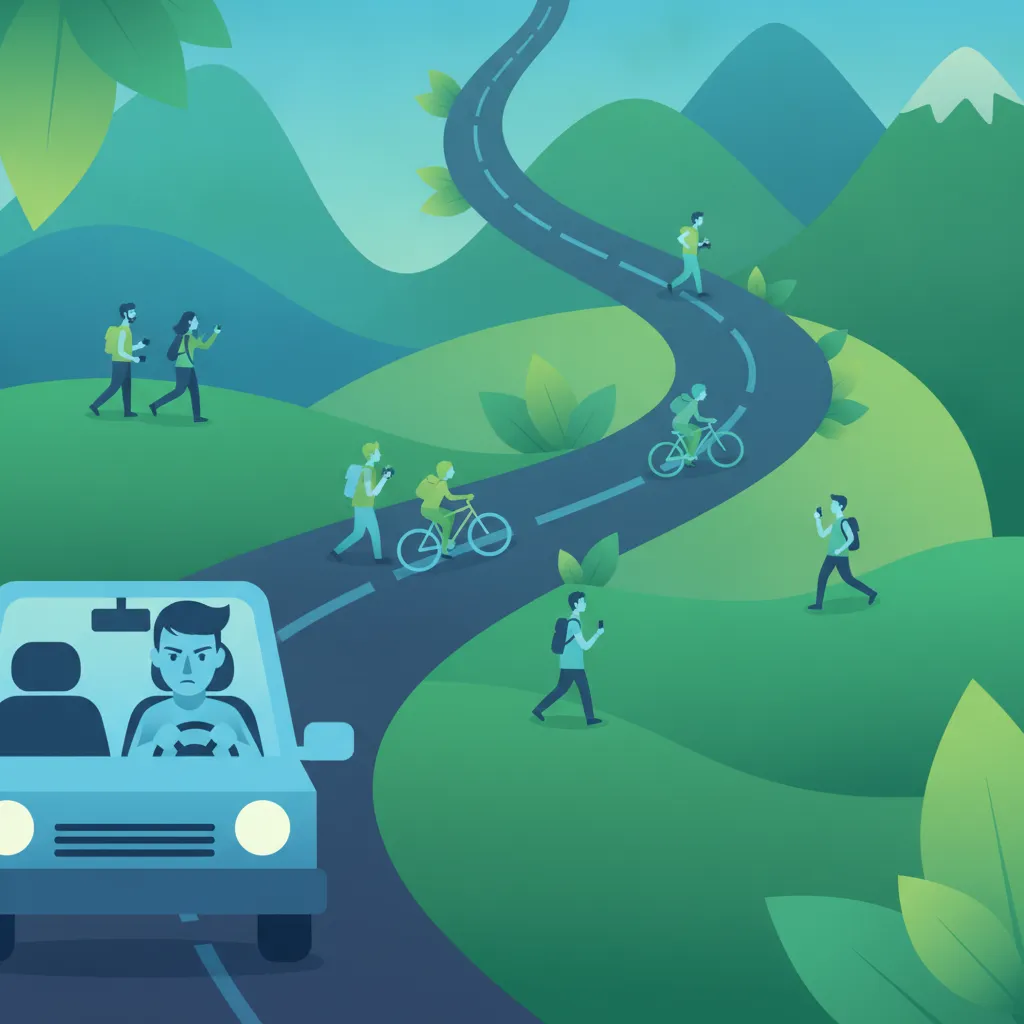
Increase your level of anticipation and defensive driving when operating in areas with high concentrations of tourists.

Learn how to predict and manage the vehicle's swept path and rear overhang (tail swing) when making turns.

Identify all the blind spots around a large passenger vehicle and learn a systematic scanning routine to manage them effectively.
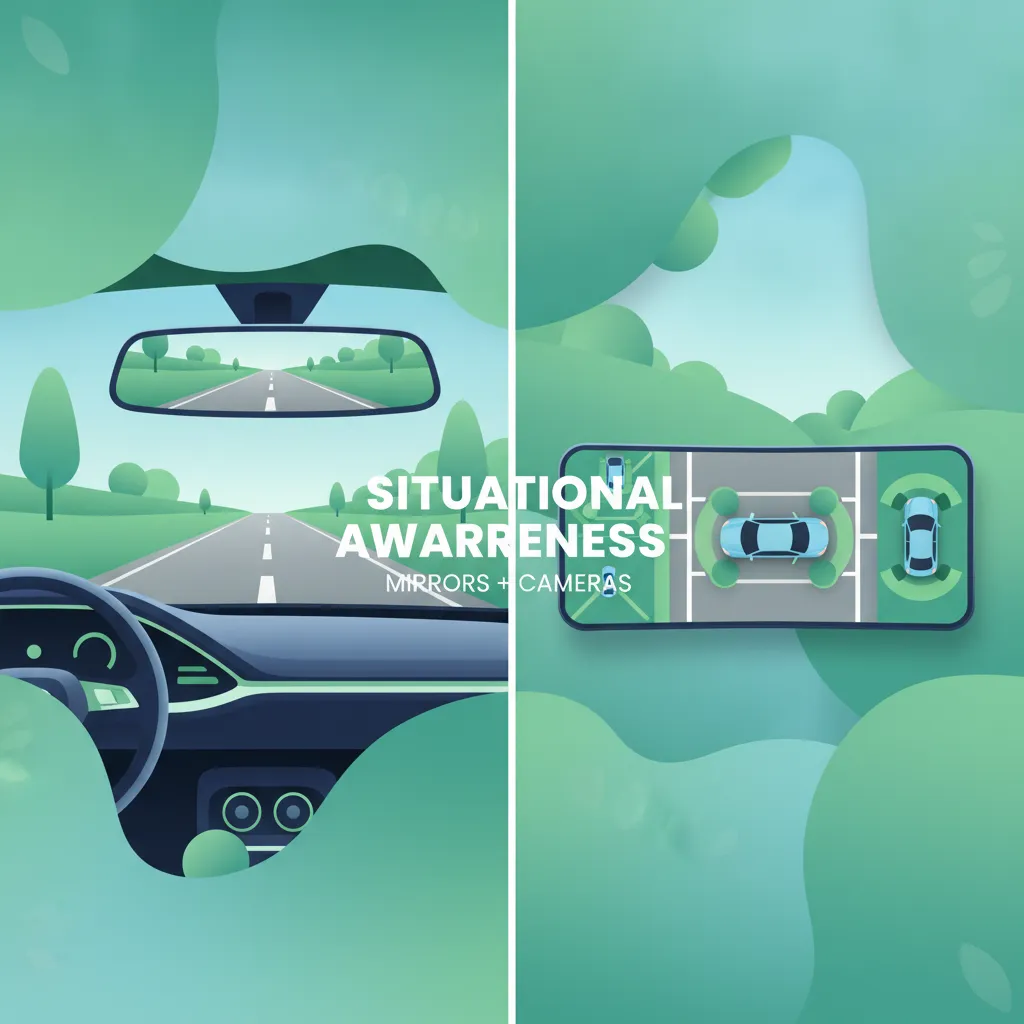
Learn the purpose of each type of mirror on a bus and how to integrate camera systems into your regular observation checks.

Follow a strict safety protocol for reversing, ideally using a trained banksman (signaller) to guide you.
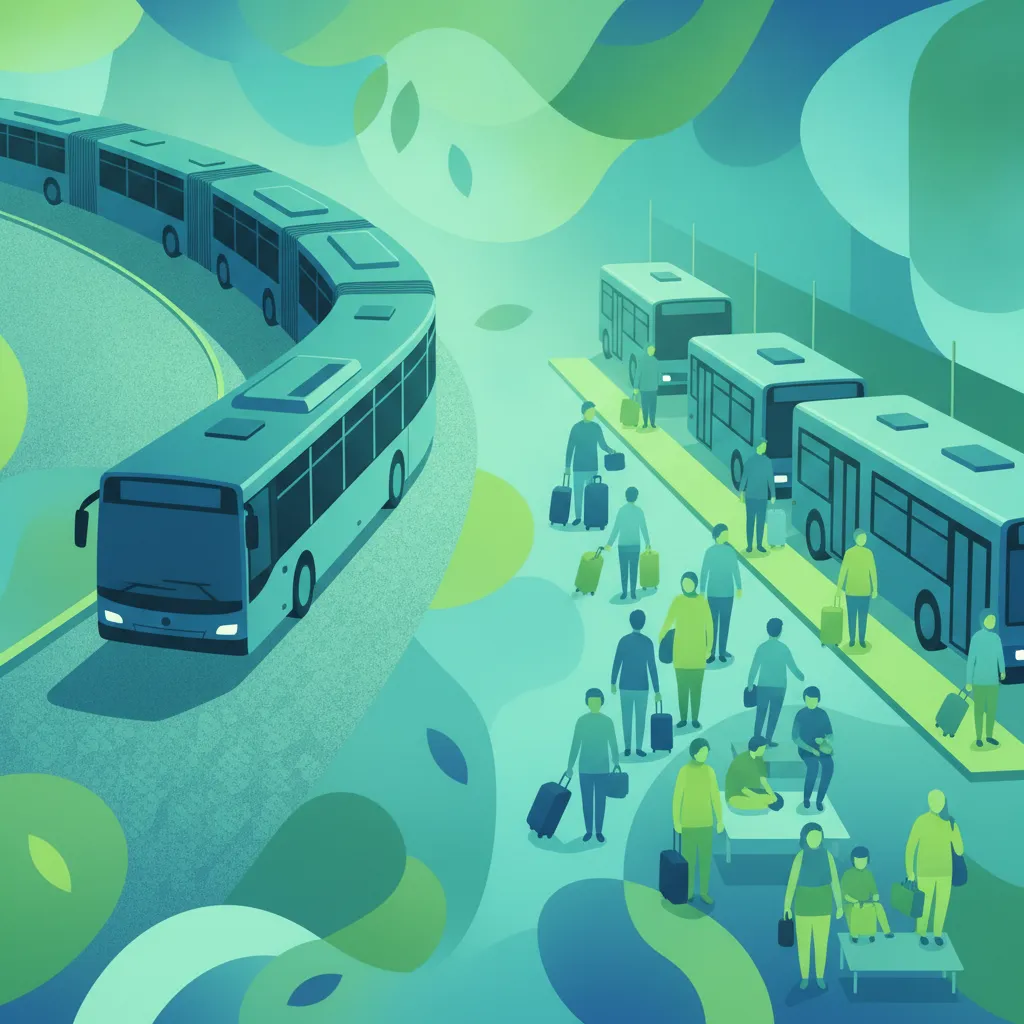
Apply safe, slow-speed manoeuvring principles within the unique and often crowded environment of a bus depot or station.

Understand the unique handling characteristics and manoeuvring challenges of driving a bus with a trailer or an articulated bus.

Adapt your driving techniques for the unique challenges of rural roads, including narrow widths, poor surfaces, and unexpected hazards.

Learn the specialized techniques required for safely navigating the steep gradients and tight corners of Swiss alpine roads.
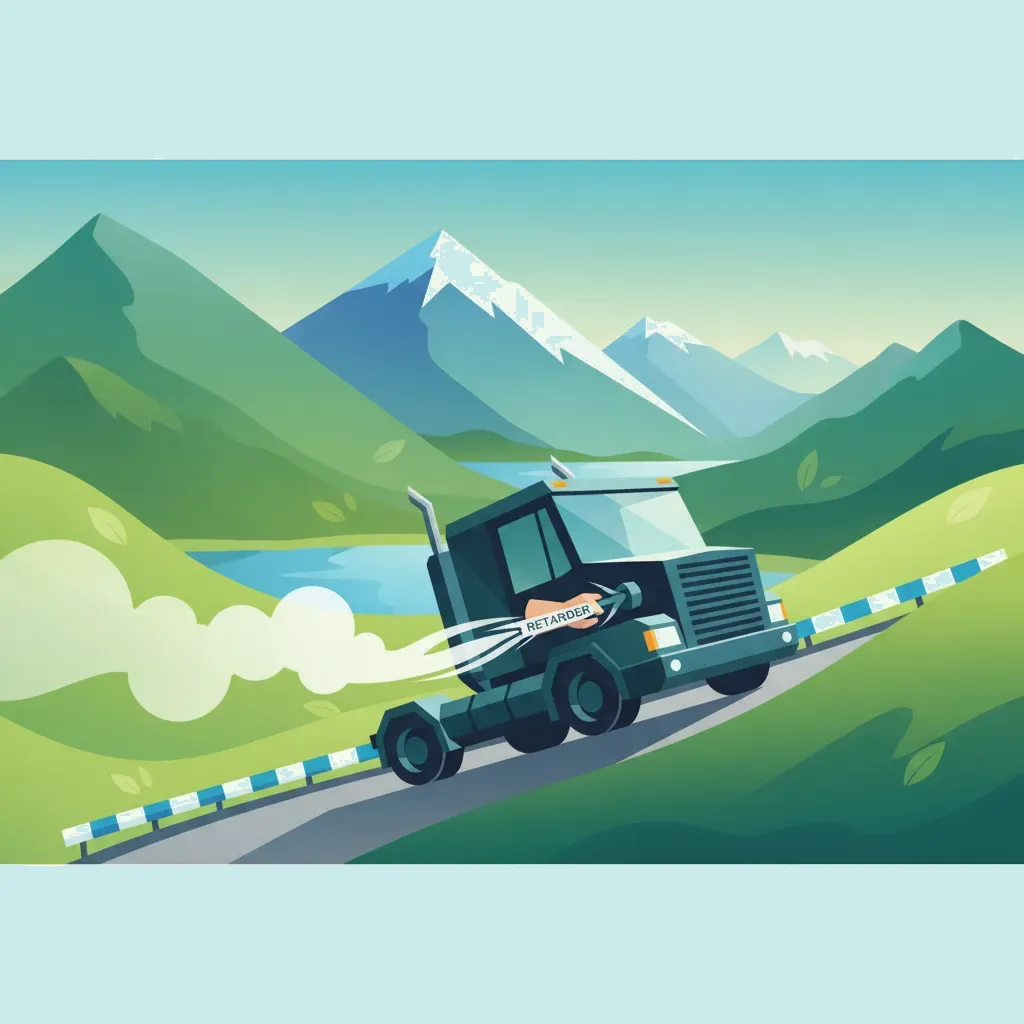
Master the use of retarders and other auxiliary braking systems to control speed safely on long, steep descents.

Understand the rules and best practices for driving a large passenger vehicle safely on Swiss motorways.

Learn the specific safety rules and procedures that must be followed before entering and while driving through tunnels.
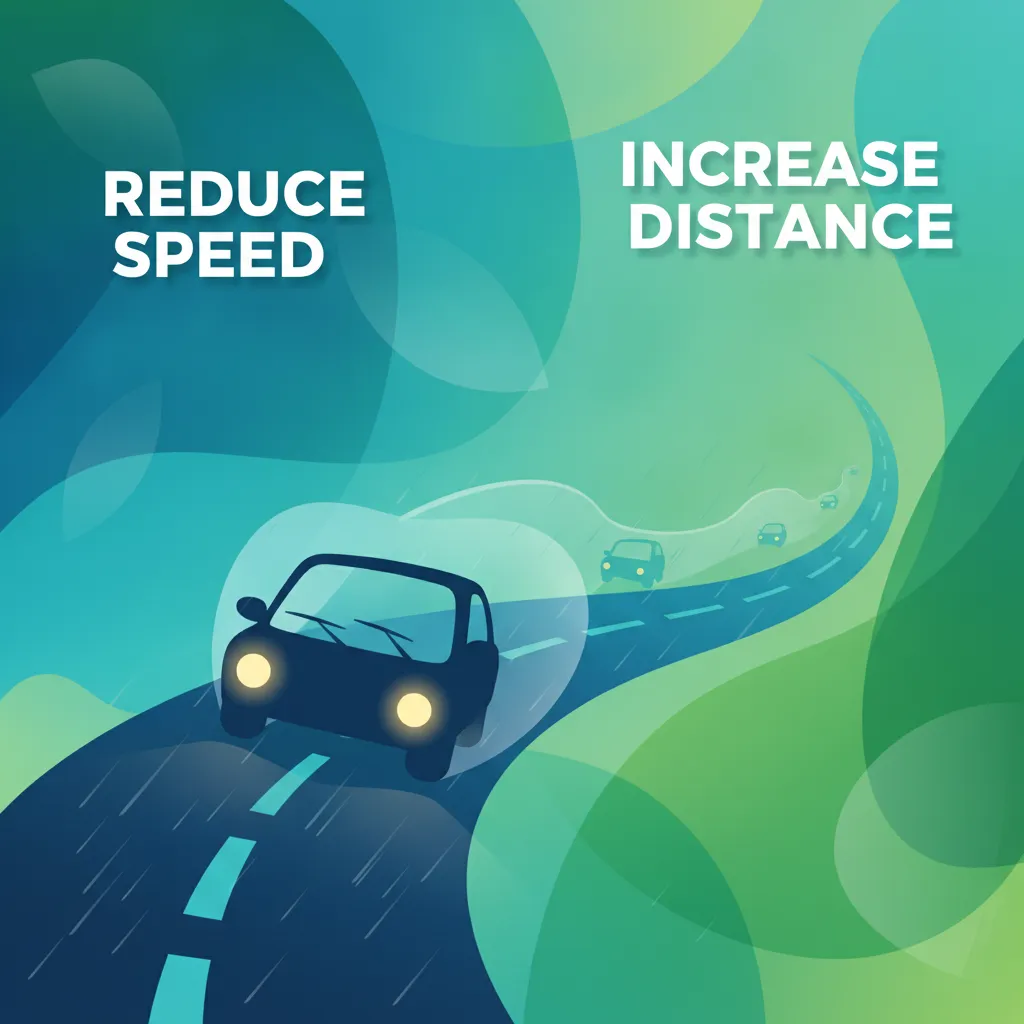
Learn how to adjust your driving style and vehicle preparation for adverse weather conditions such as heavy rain, fog, snow, and ice.
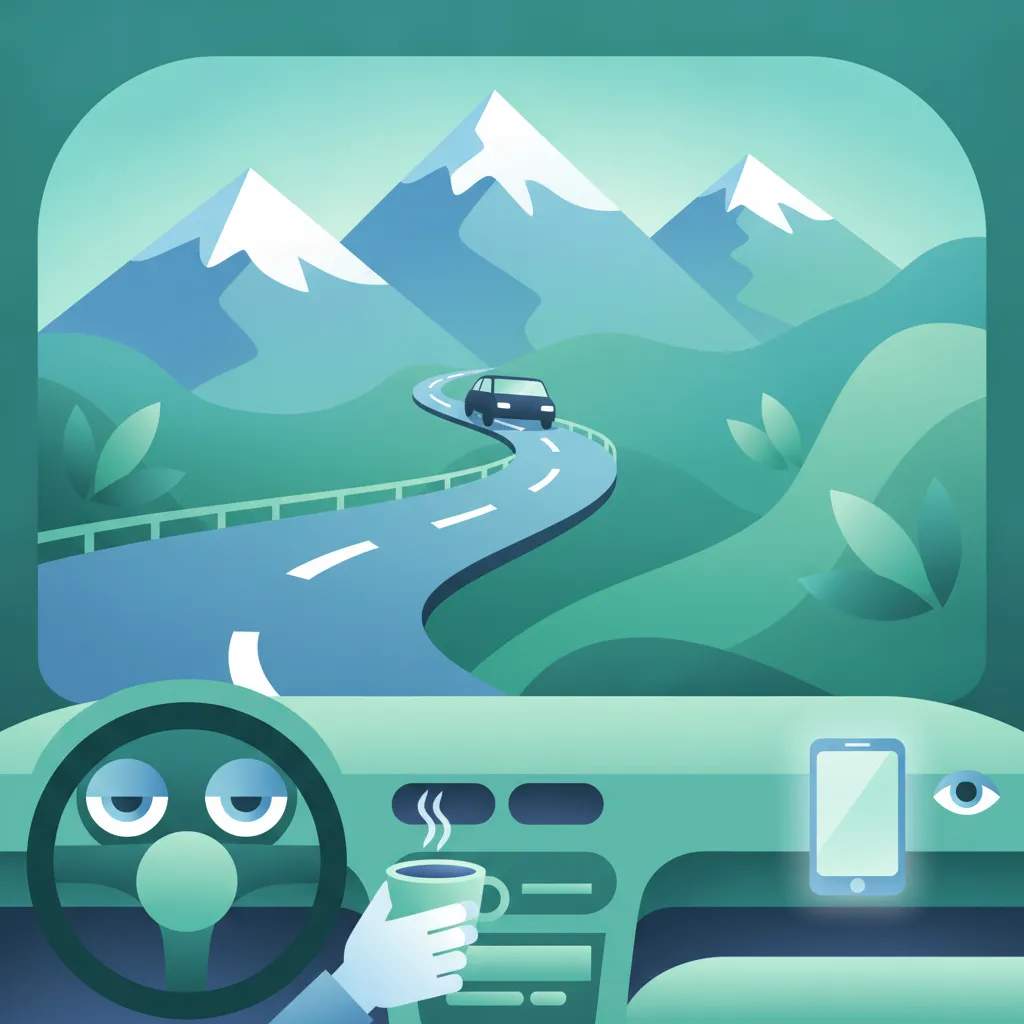
Understand the serious dangers of driver fatigue and distraction, and learn the strategies and legal requirements for managing them.
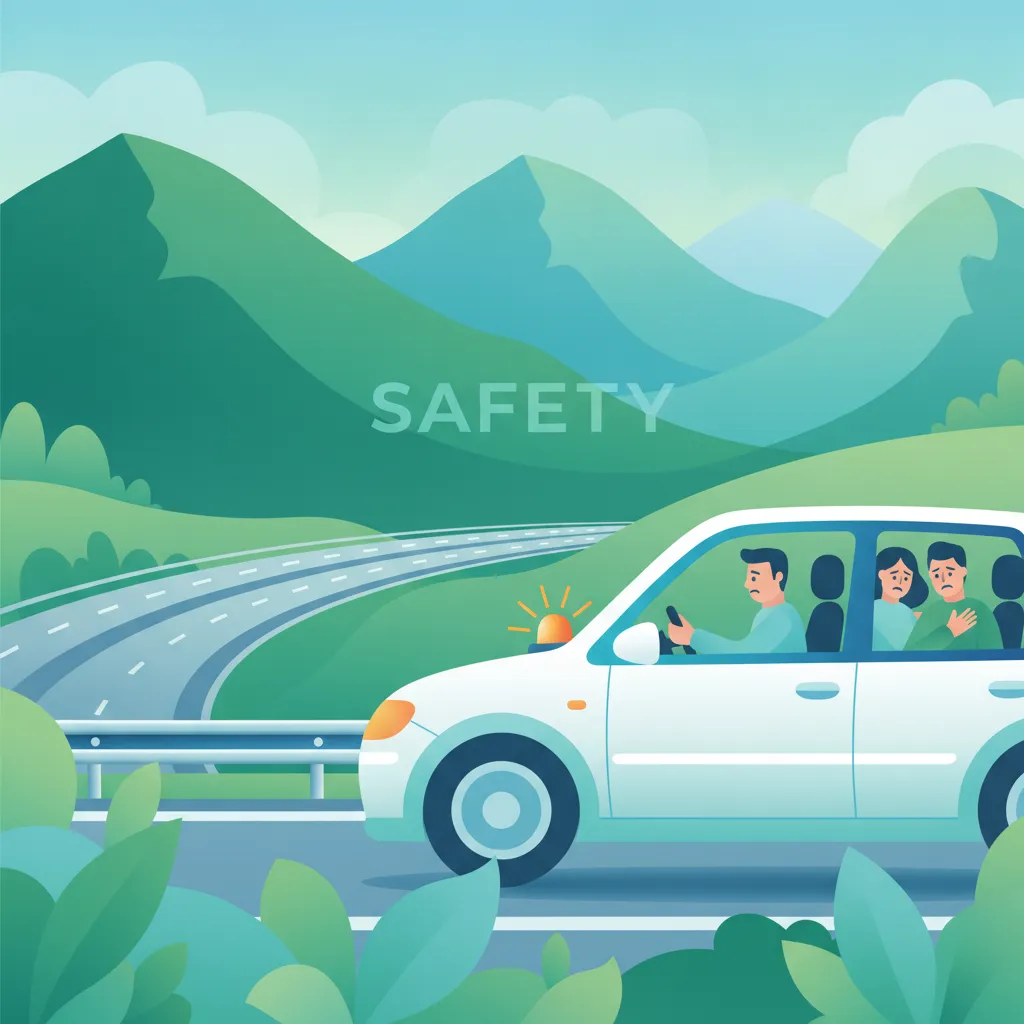
Learn the correct procedure for responding to a medical emergency involving a passenger on your vehicle.
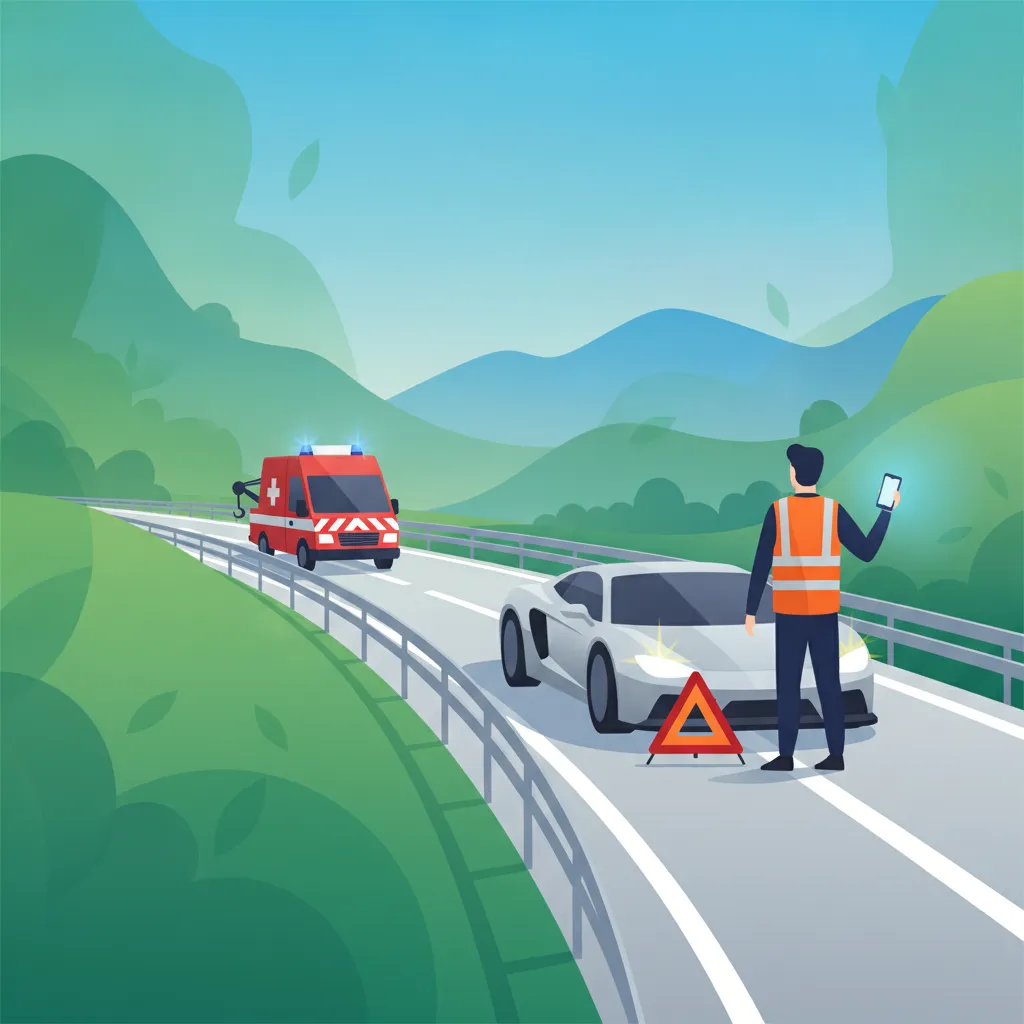
Follow a step-by-step procedure to manage a vehicle breakdown safely, protecting your passengers and other road users.
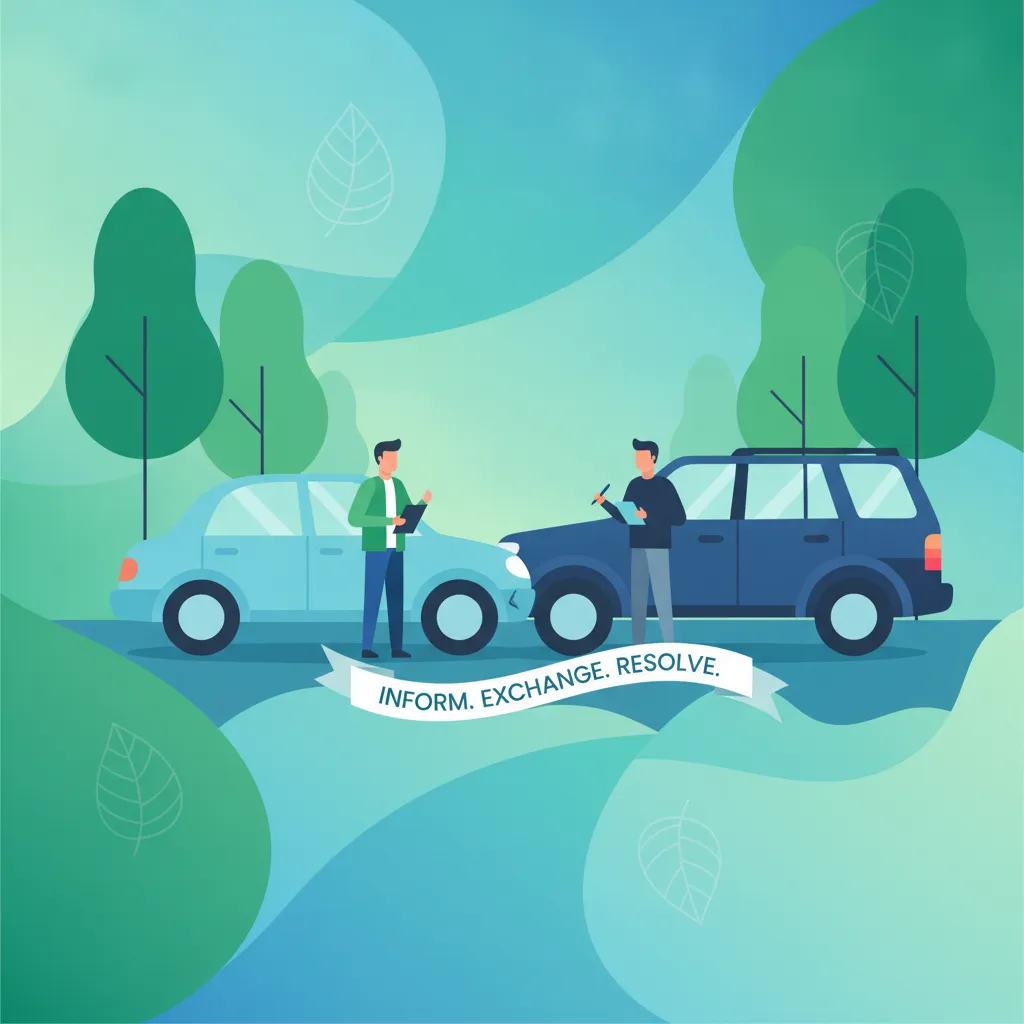
Understand your legal and professional duties when involved in or first to arrive at the scene of a road traffic accident.

Recognize the common causes of vehicle fires and learn the correct and safe way to operate an on-board fire extinguisher.
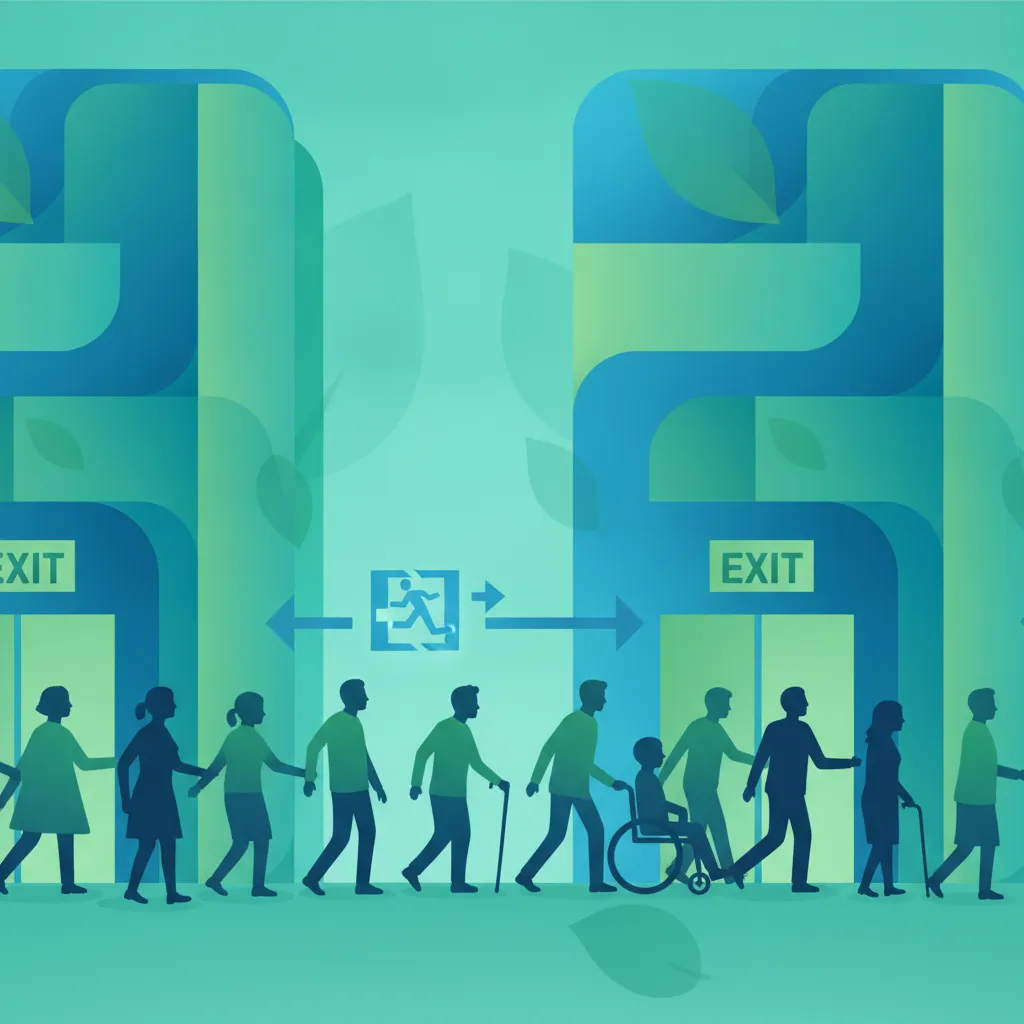
Learn the principles and systematic process for conducting a rapid and orderly evacuation of passengers in a major emergency.
Develop the communication skills needed to relay accurate information to emergency services and to keep passengers informed during a crisis.
Begin your structured preparation for the official Swiss driving licence theory test today. Browse our comprehensive curriculum, choose your ideal course, and start mastering essential traffic laws, road signs, and practical driving knowledge with confidence.