
Access every driving theory lesson in the Swiss Truck Driving Theory (C/C1) course. Learn the rules, signs, and traffic situations that appear in the official Switzerland driving theory exam. Each lesson focuses on a specific topic to help you study faster, understand more clearly, and improve your chance of passing the Swiss theory test on your first attempt.

Explore every driving theory lesson for Swiss Category C and C1 licences. This full curriculum view helps you identify knowledge gaps, compare topics like load securing and braking systems, and plan your theory test preparation effectively for heavy goods vehicles in Switzerland.

Learn the distinctions between Swiss driving license categories C, C1, C1E, and CE. This lesson explains the types of vehicles you are permitted to drive with each category.

Explore the heightened responsibilities and duty of care required of a professional HGV driver. Understand the legal and ethical obligations that come with operating a large vehicle.
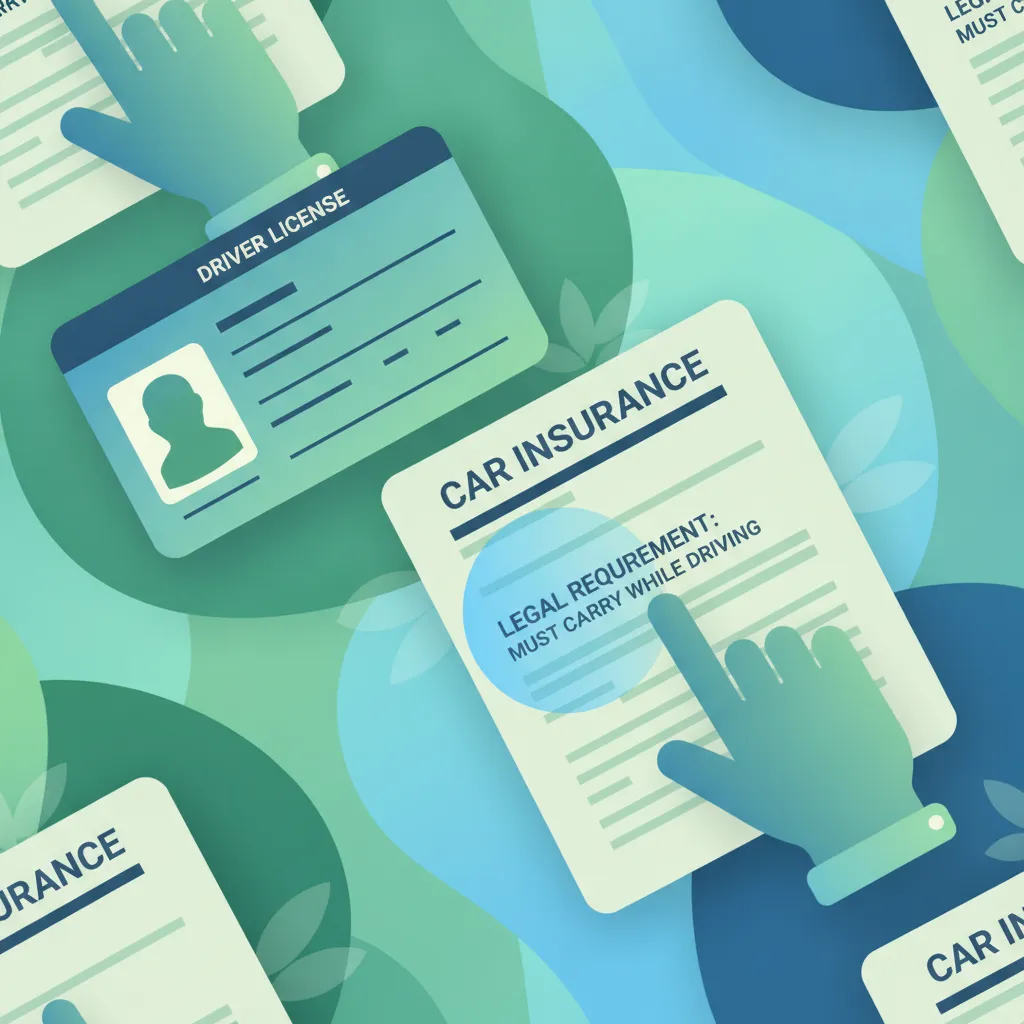
Identify the essential documents that must be carried in a heavy goods vehicle in Switzerland. Learn about the vehicle registration, driver's license, and other required legal paperwork.
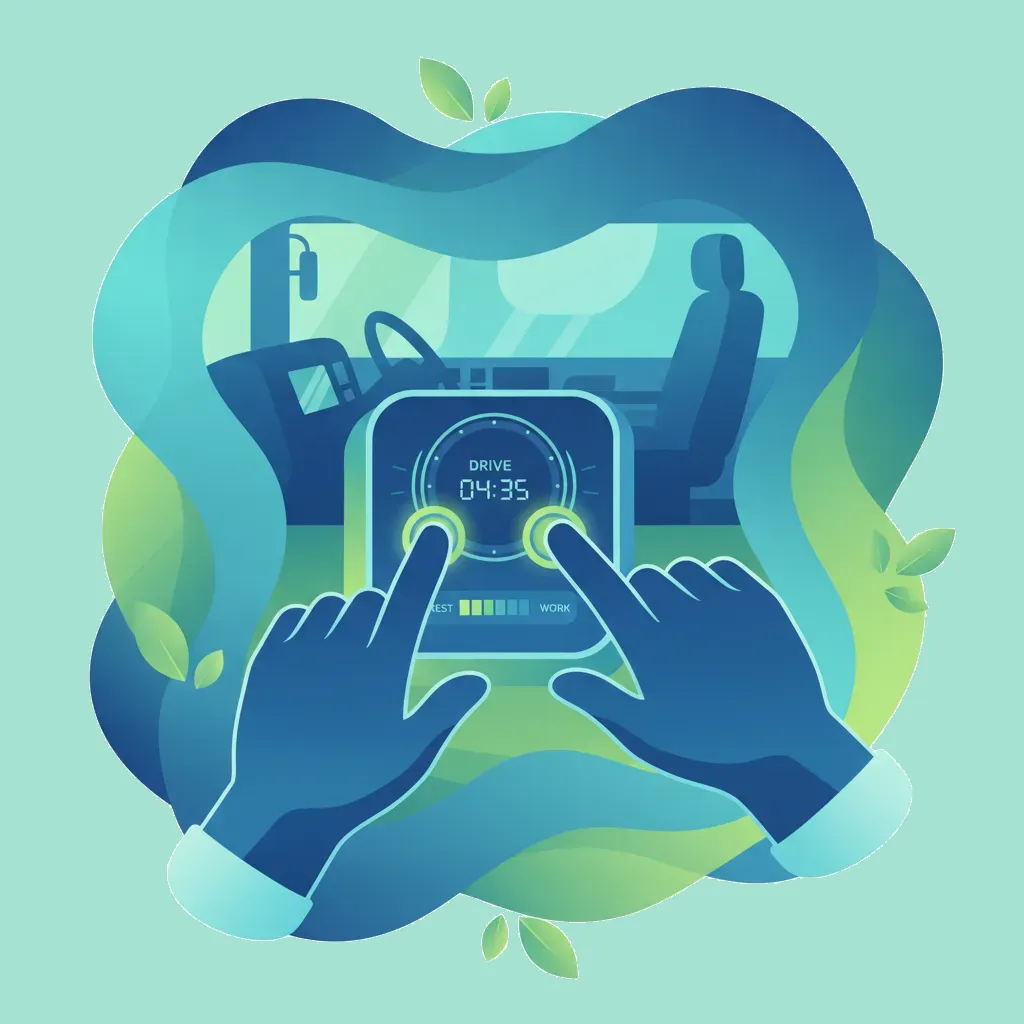
Understand the fundamental purpose of the tachograph in monitoring driving times and rest periods. This lesson provides a theoretical overview of Swiss regulations to prevent driver fatigue.
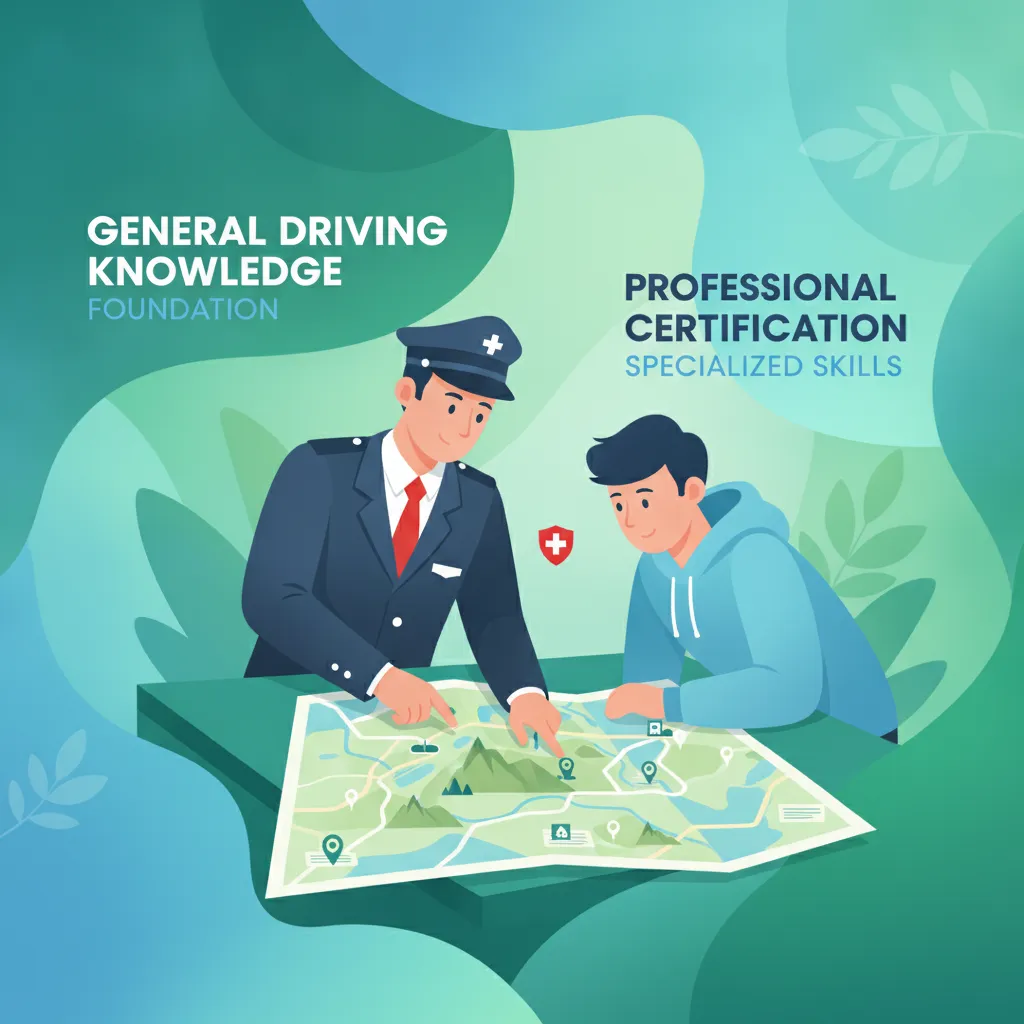
Clarify the difference between the driving license theory test and the separate OACP professional driver qualification. Learn why both are necessary for a career in commercial transport.
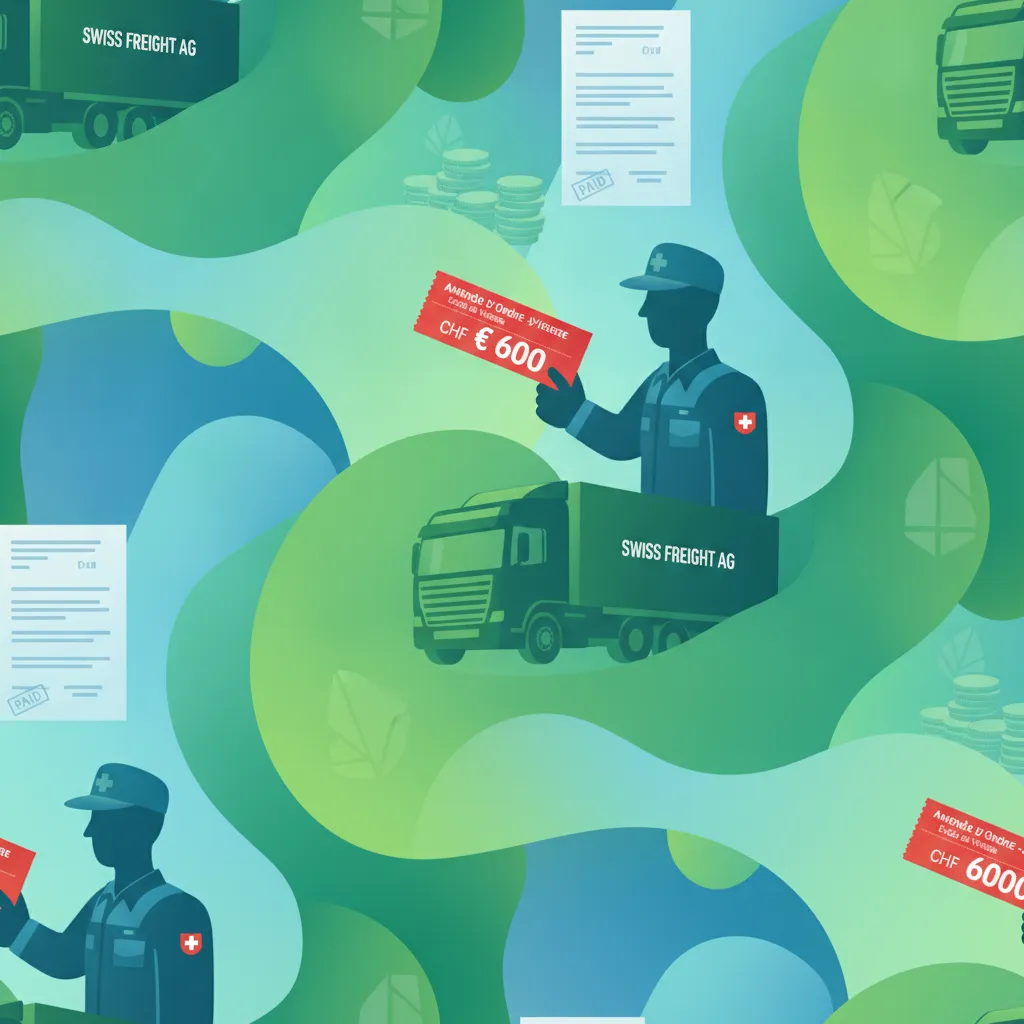
Understand the severe legal consequences of traffic infringements for professional drivers. This lesson covers fines, license suspension, and other penalties specific to HGV operations.
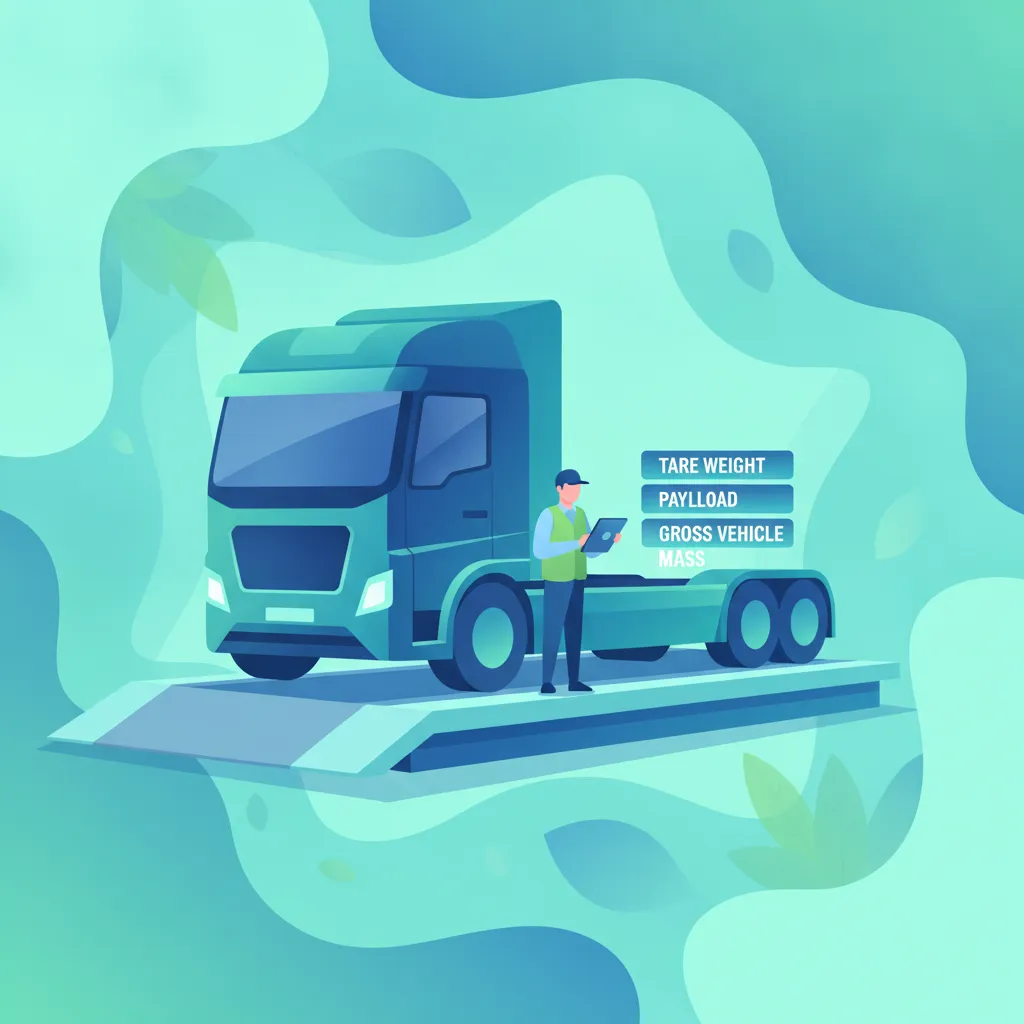
Define and differentiate between tare weight, payload, and gross vehicle mass (GVW). Understanding this terminology is the first step to ensuring legal vehicle loading.
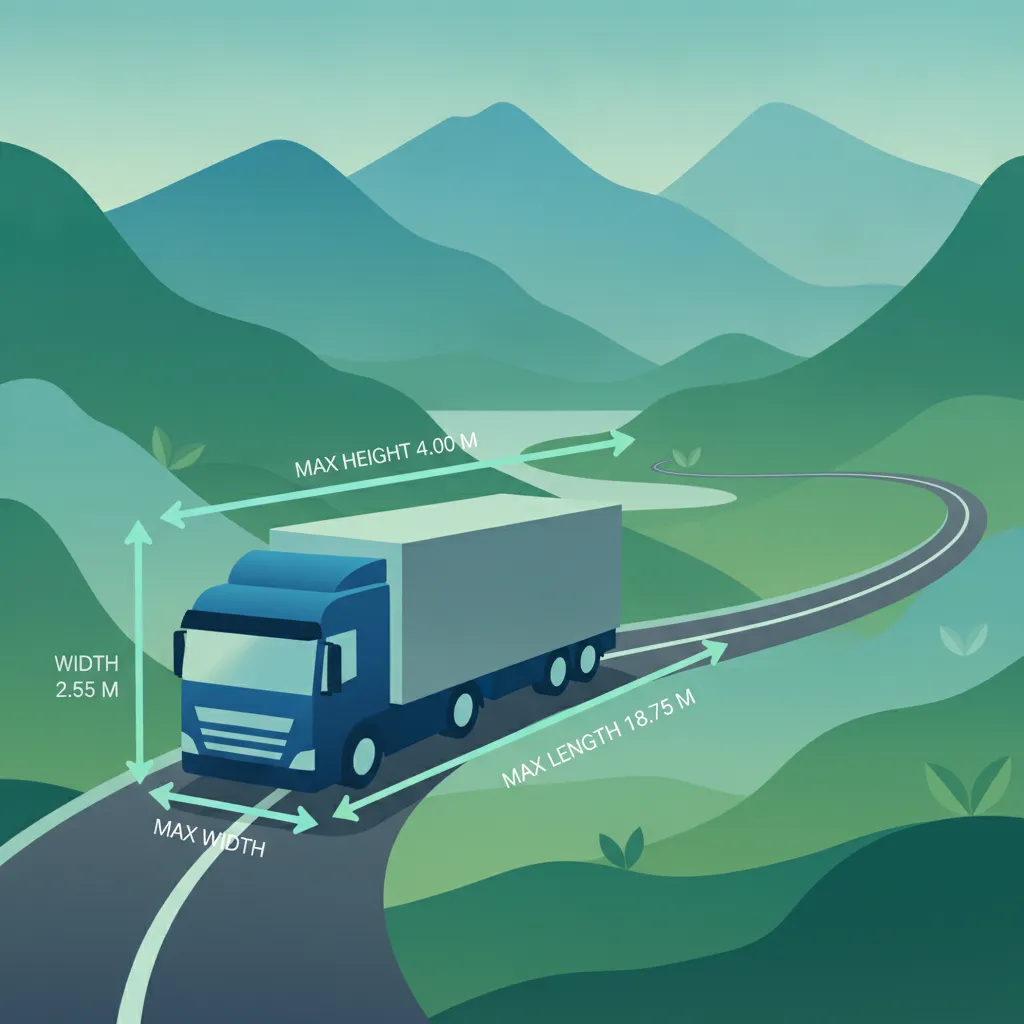
Learn the standard maximum height, width, and length for heavy goods vehicles operating on Swiss roads. Recognize the importance of these limits for safe route planning.
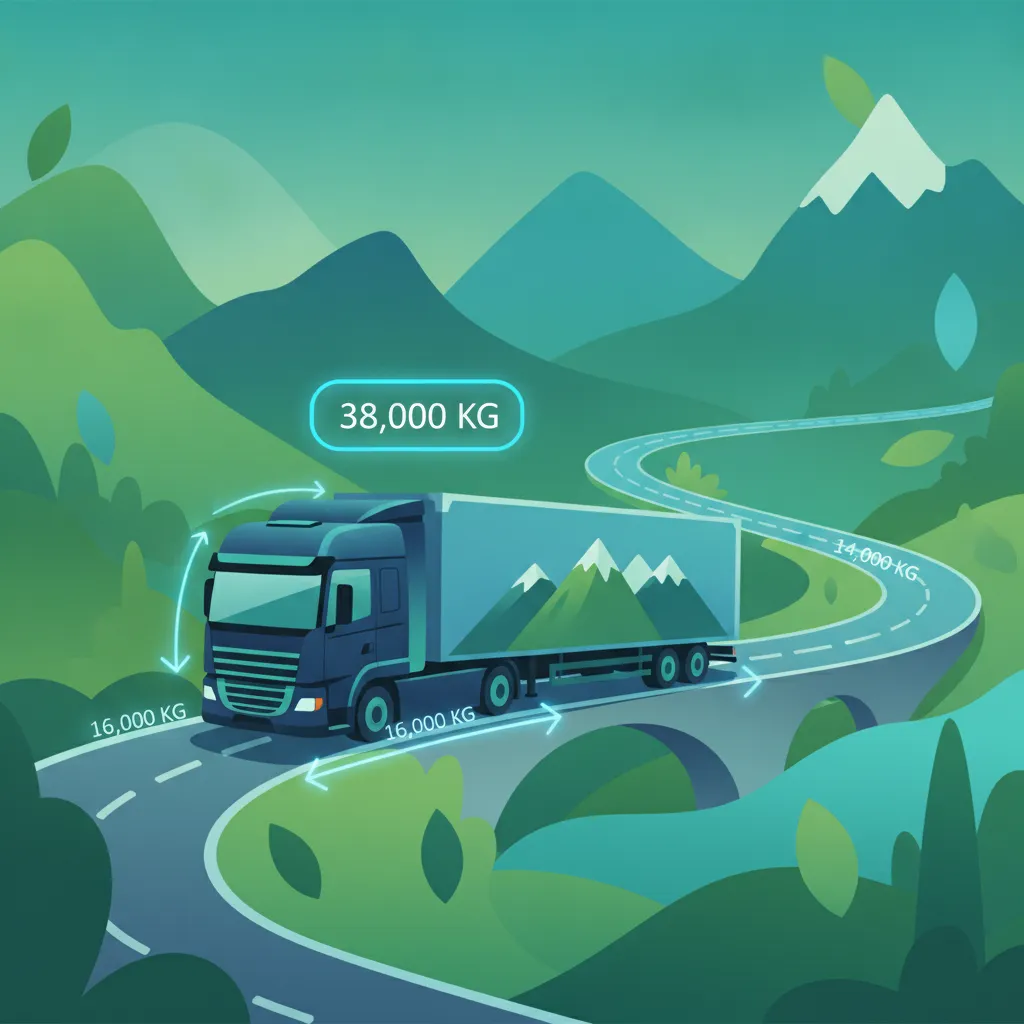
Discover the importance of axle loads and correct weight distribution. This lesson explains how improper loading affects vehicle stability, braking, and road infrastructure.
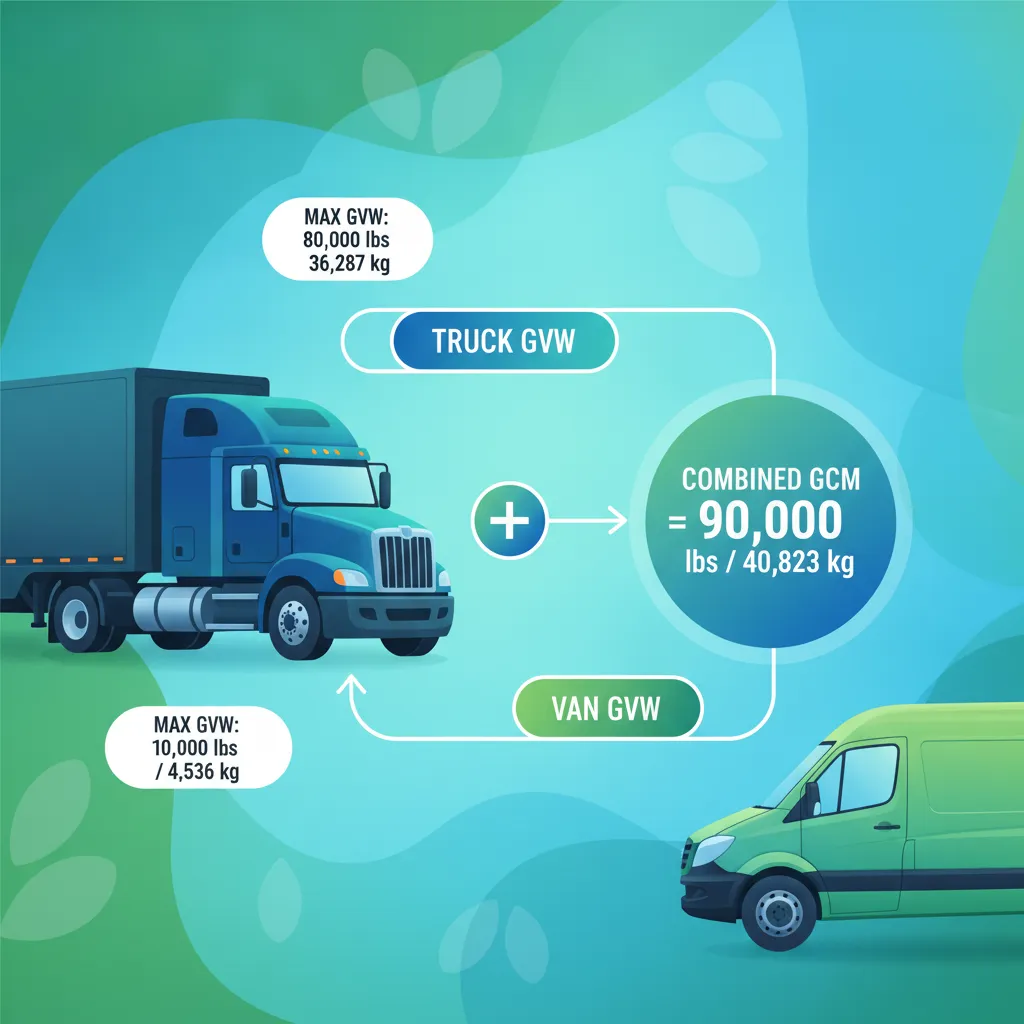
Learn how to determine the gross combination mass (GCM) for vehicle-trailer combinations. Understand why this total weight limit is critical for safety and performance.

Examine the dangerous consequences of overloading a heavy goods vehicle. This lesson covers the impact on braking, stability, and tyre safety, as well as the severe legal penalties.

Learn how to locate and read the vehicle's identification plate (manufacturer's plate). This plate contains essential technical data including maximum permissible weights.
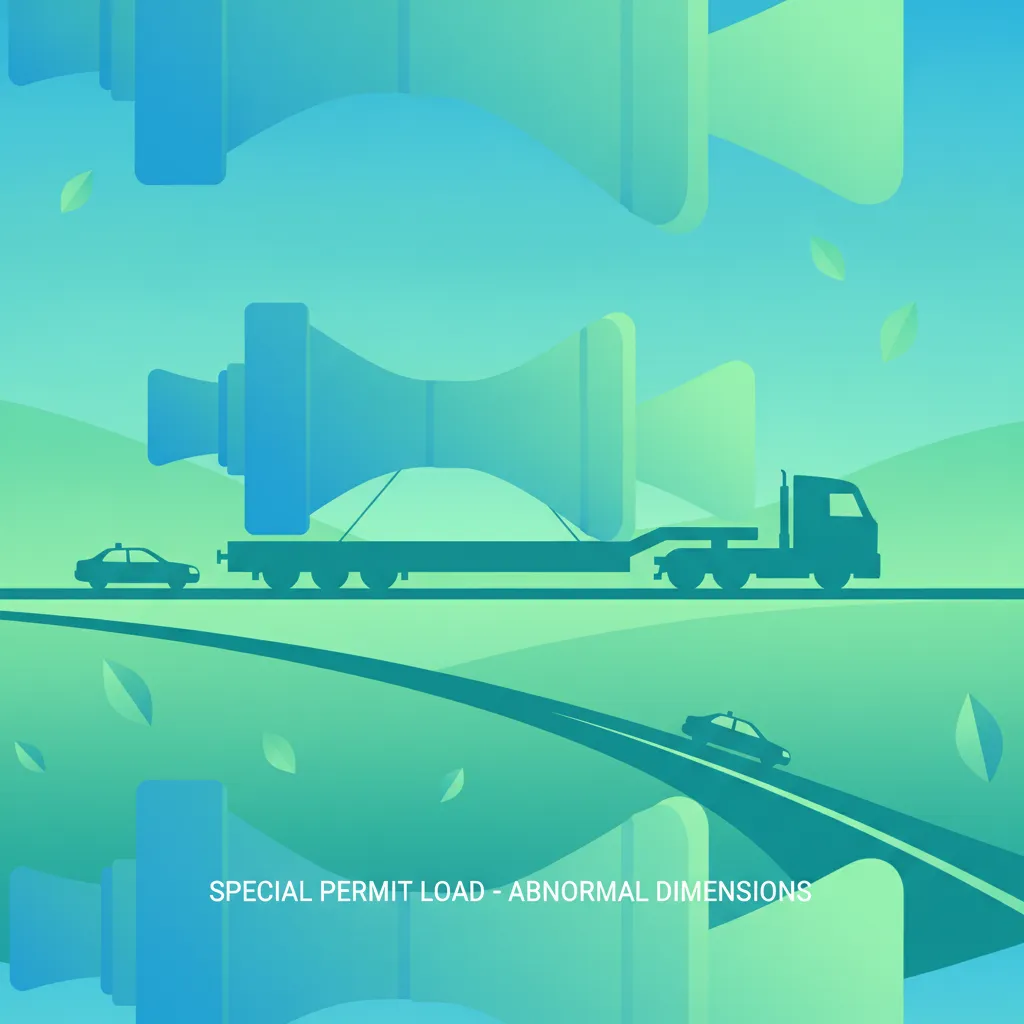
Understand the process and requirements for transporting abnormal loads that exceed standard dimension or weight limits. This lesson covers the necessity of special permits.
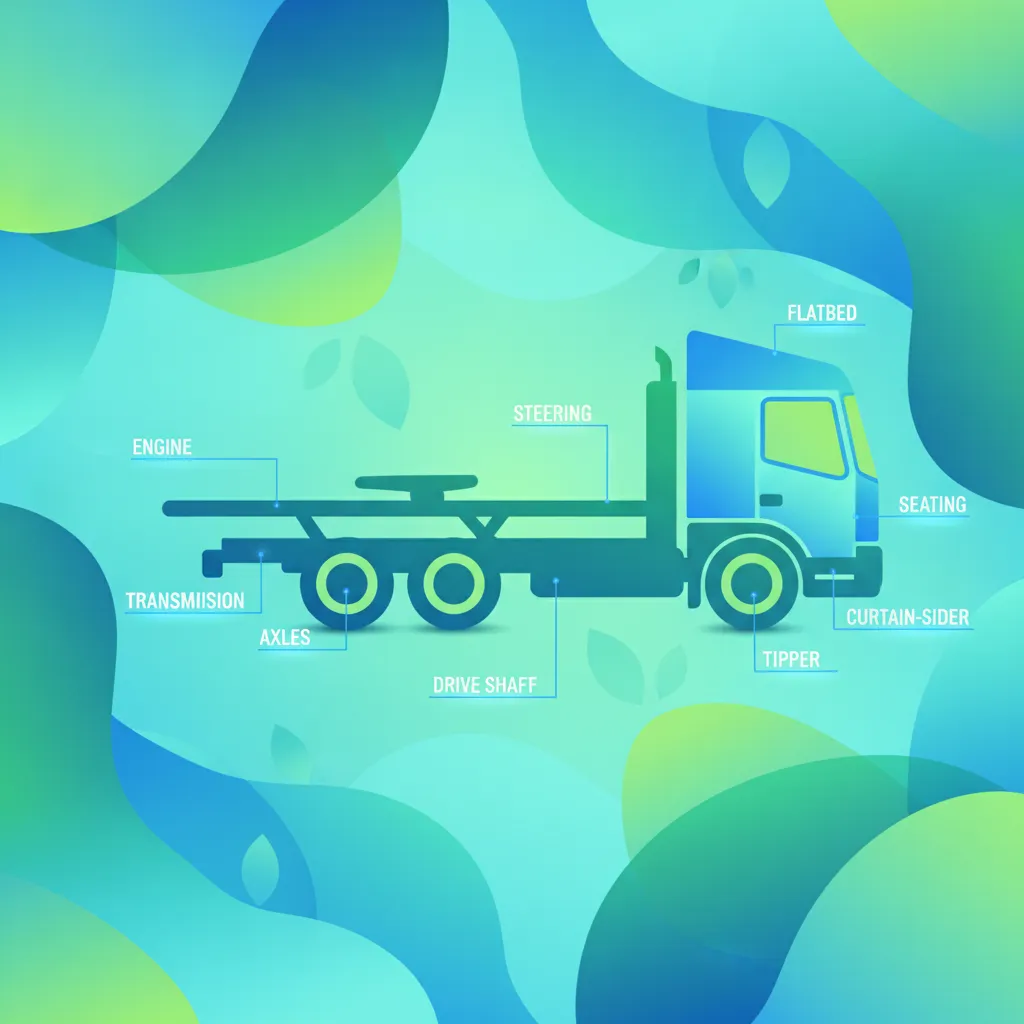
Familiarize yourself with the basic construction of a heavy goods vehicle. This lesson covers the chassis, cab types, and common body configurations.

Learn how to check the steering system for correct operation and conduct a thorough inspection of tyres. This lesson highlights the critical role of tyres in vehicle safety.

Understand the function of heavy vehicle suspension systems. Learn how both leaf spring and air suspension systems contribute to stability, load bearing, and ride quality.

Review the legal requirements for lighting, reflectors, and conspicuity markings on heavy goods vehicles. Ensure your vehicle is always visible to other road users.
Master the systematic process of a daily walk-around check. This essential routine is the driver's first line of defense in ensuring the vehicle is safe and roadworthy.

Learn to interpret the information provided by dashboard instruments and warning lights. Understand what to do when a critical system alert appears.
Understand the purpose of rear underrun protection and lateral side guards. These passive safety features are designed to protect vulnerable road users in a collision.

Learn the correct procedure for reporting vehicle defects discovered during an inspection. Understand the driver's legal duty to not operate an unsafe vehicle.
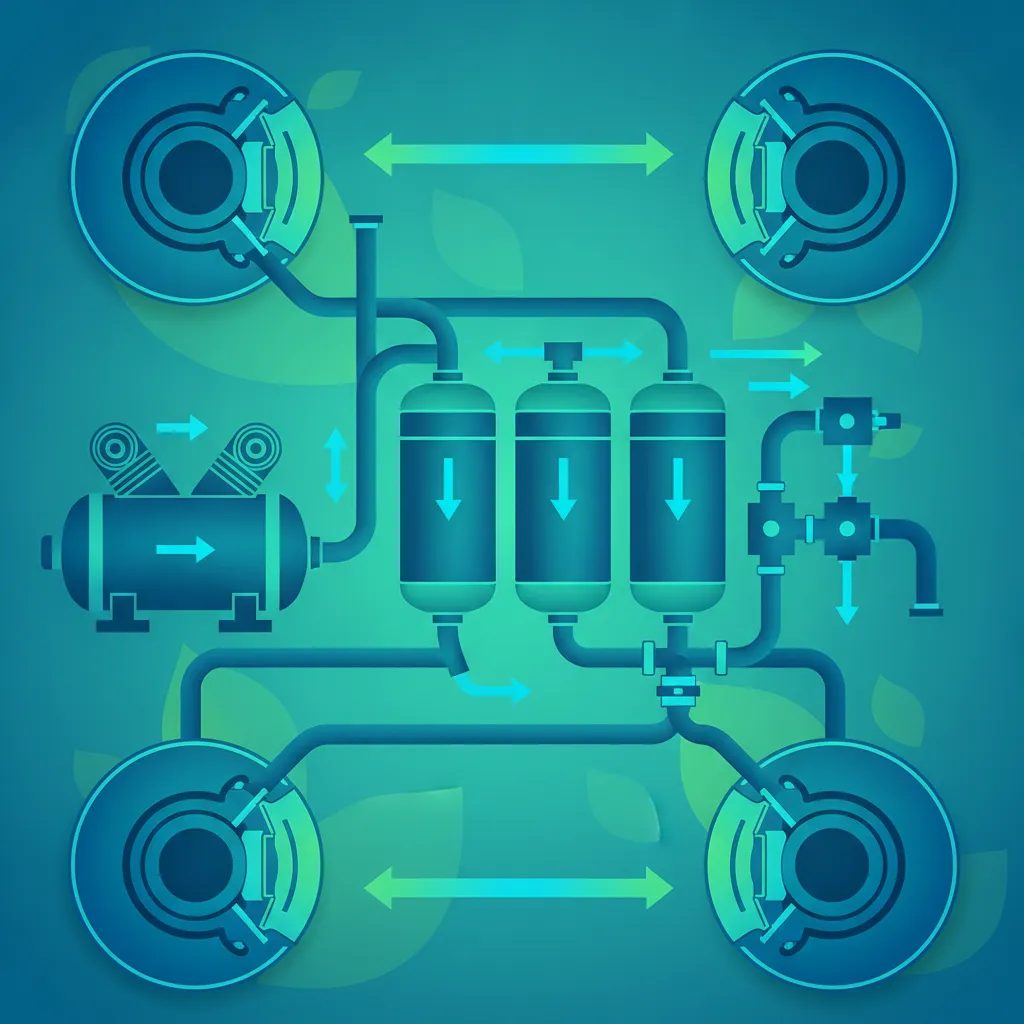
Gain a foundational understanding of how compressed-air braking systems work on heavy goods vehicles. Learn about the key components from the compressor to the brake chambers.

Differentiate between the service brake, used for normal stopping, and the powerful spring-actuated parking brake. Understand the fail-safe nature of the parking brake system.

Learn about endurance braking systems like engine brakes and retarders. These systems help control speed on long descents without overheating the primary service brakes.
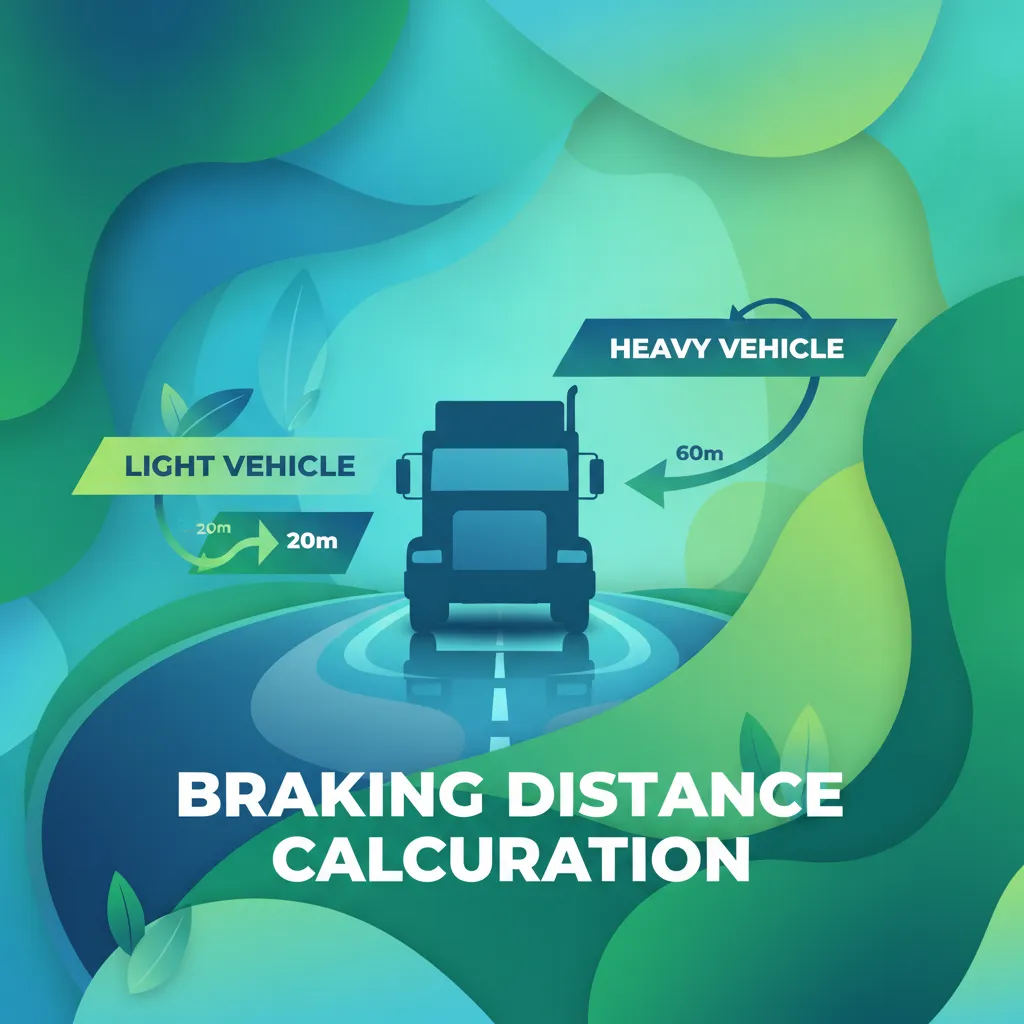
Understand the factors that significantly increase the braking distance of a heavy vehicle. Learn why maintaining a large following distance is non-negotiable.

Identify the dangers of brake lag and brake fade. Learn what causes these phenomena and how to prevent them through proper driving technique and maintenance.
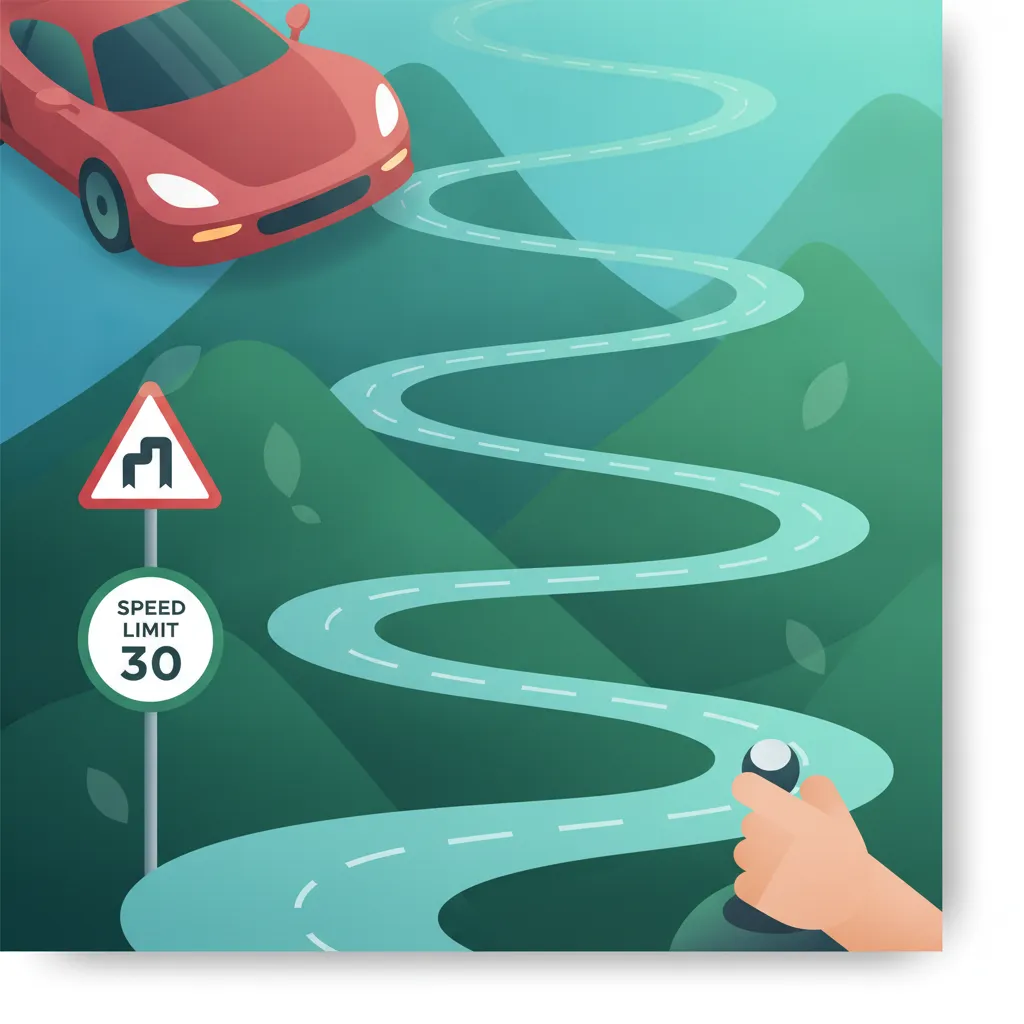
Master the correct techniques for safely navigating long, steep descents. This lesson focuses on gear selection, use of endurance brakes, and preserving the service brakes.

Understand the function of modern electronic safety systems like ABS and ESC. Learn how these driver aids help maintain control during emergency braking and evasive manoeuvres.

Adapt your braking technique for adverse weather conditions like rain, snow, and ice. This lesson emphasizes the need for reduced speed and increased following distances.
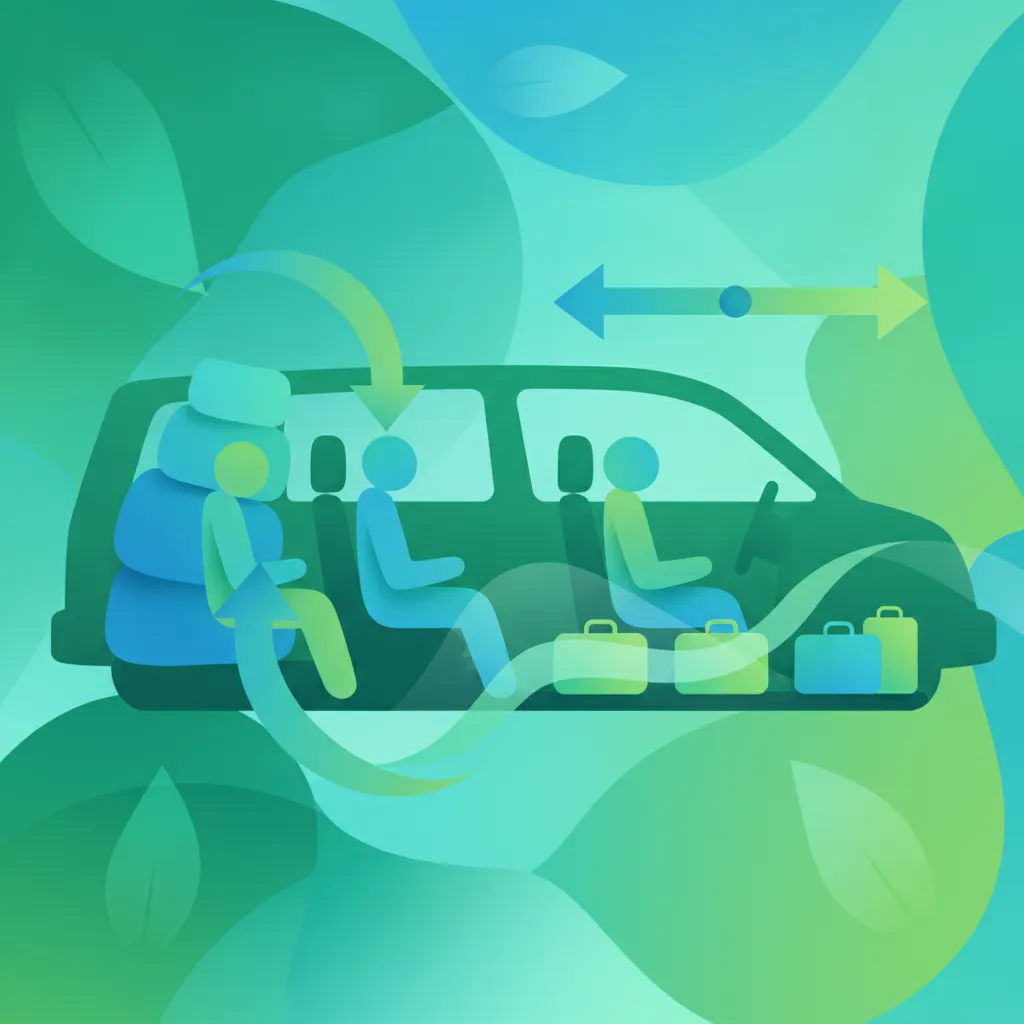
Learn the fundamental principles of load distribution. Understand how the placement of cargo affects the vehicle's centre of gravity and overall stability.
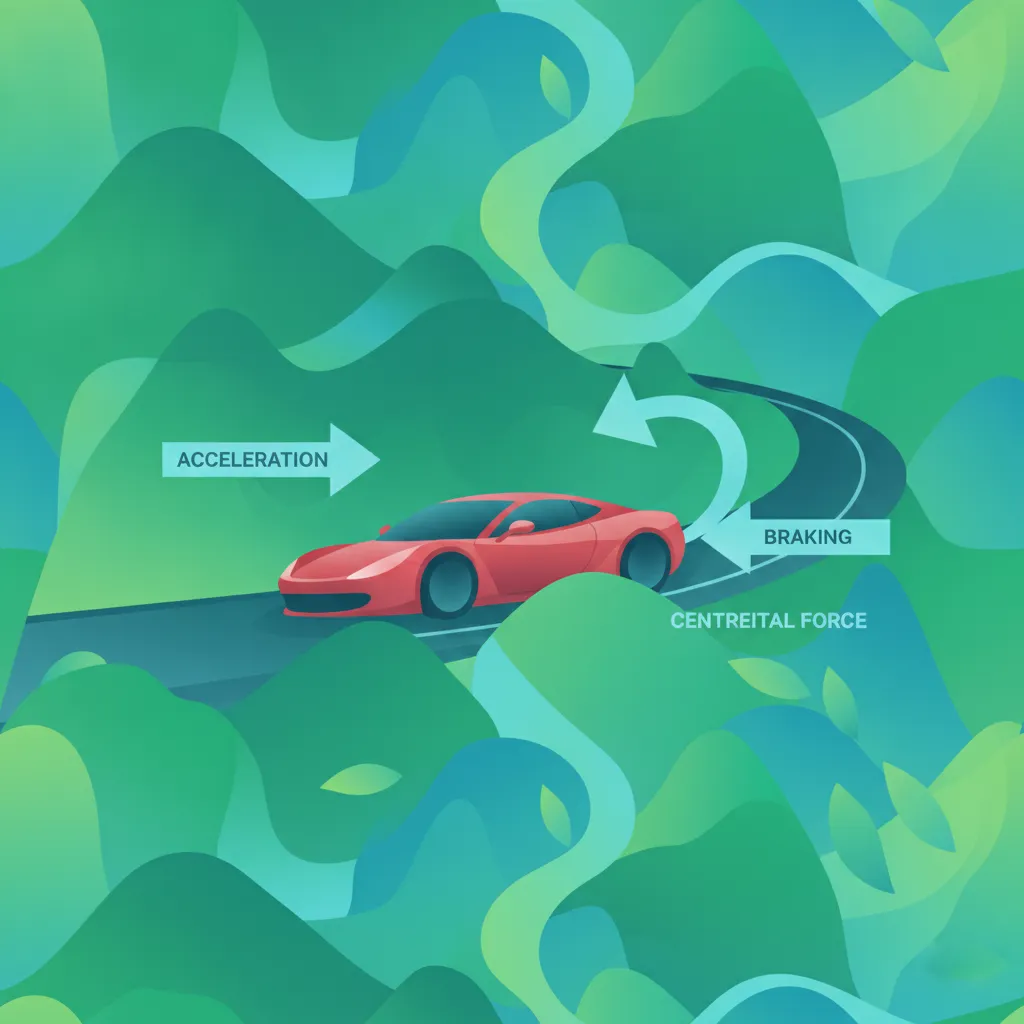
Understand the powerful physical forces that act on cargo during transit. These forces can cause unsecured loads to shift, tip, or fall, creating extreme danger.

Explore the primary methods of securing cargo: blocking and lashing. Learn how these techniques work together to prevent any movement of the load.

Identify common types of lashing equipment, such as straps and chains. Learn how to inspect them for damage and use them correctly to achieve secure restraint.
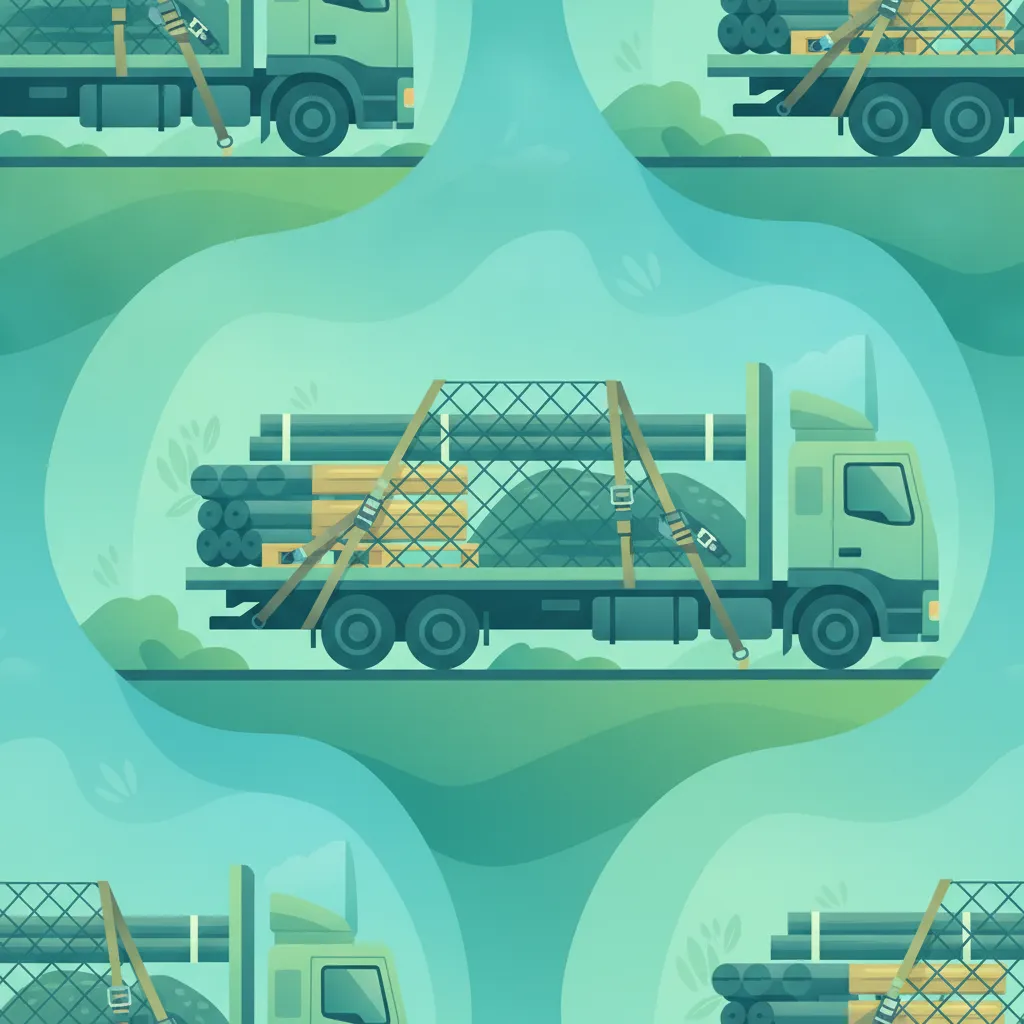
Learn specific techniques for securing different types of cargo. The method used must be adapted to the shape, weight, and nature of the goods being transported.

Analyze the factors that contribute to the risk of a heavy vehicle rolling over. Understand how speed, cornering, and load type all play a critical role.

Understand the driver's ultimate legal responsibility for ensuring the load is secure before and during the journey. This responsibility cannot be delegated.

Distinguish between the different types of trailers used in Switzerland, including drawbar trailers and semitrailers. Learn the key terminology for vehicle combinations.

Learn the theoretical step-by-step process for safely coupling a tractor unit to a semitrailer and uncoupling it. This procedure requires precision and adherence to safety checks.

Understand the function of the color-coded air lines (suzies) and electrical cables that connect the tractor and trailer. Learn the correct order for connection and disconnection.

Learn how an articulated vehicle pivots and why the trailer's wheels follow a tighter path than the tractor's wheels. This phenomenon, known as off-tracking, is critical to manage in turns.
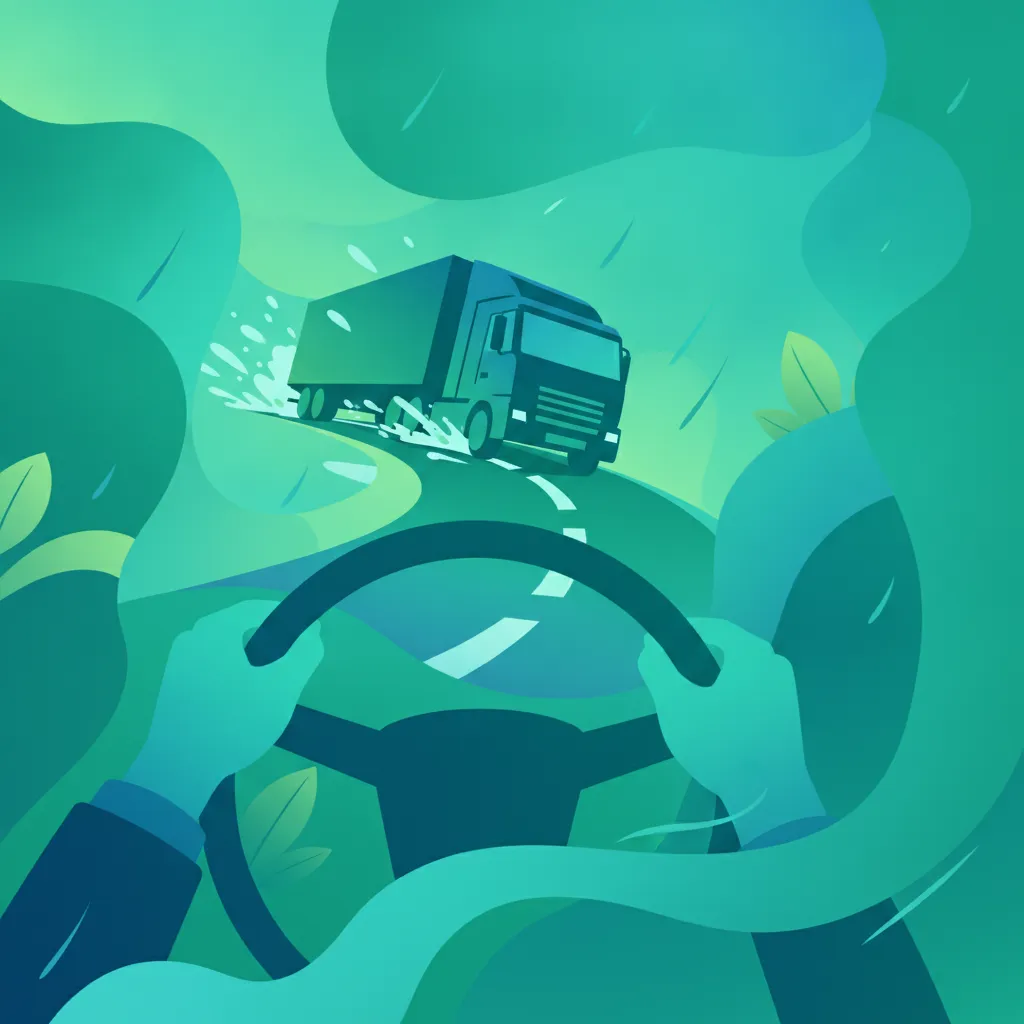
Understand what causes a vehicle combination to jack-knife. Learn the preventative measures, such as smooth braking and appropriate speed, to avoid this extremely dangerous situation.

Be aware of rear swing, where the back of a long vehicle or trailer swings out in the opposite direction of a turn. This creates a hazard for objects and people alongside the vehicle.

Learn the key components of a fifth-wheel coupling and what to look for during a safety inspection. A secure connection is paramount for safe operation.

Learn the purpose of the different mirrors on a heavy vehicle and how to adjust them correctly for maximum visibility. Effective mirror use is a critical driving skill.

Identify the large blind spot areas around a heavy goods vehicle, often called 'no-zones'. Learn observation techniques to mitigate the risks these areas pose to other road users.

Learn the systematic approach for safely negotiating turns at junctions and roundabouts. This includes correct road positioning to account for off-tracking and rear swing.

Master the techniques for safe reversing, the most dangerous manoeuvre for a large vehicle. Understand the critical role of a trained banksman or signaller.

Develop the skills and awareness needed to manoeuvre a large vehicle in confined industrial environments. This lesson focuses on depots, loading bays, and distribution centres.

Learn about the advanced driver-assistance systems (ADAS) available on modern trucks. Understand how cameras, sensors, and alerts can enhance safety but do not replace driver observation.

Refine your understanding of off-tracking to master road positioning for tight turns. Learn how to position your vehicle to execute a turn safely without encroaching on kerbs or other lanes.
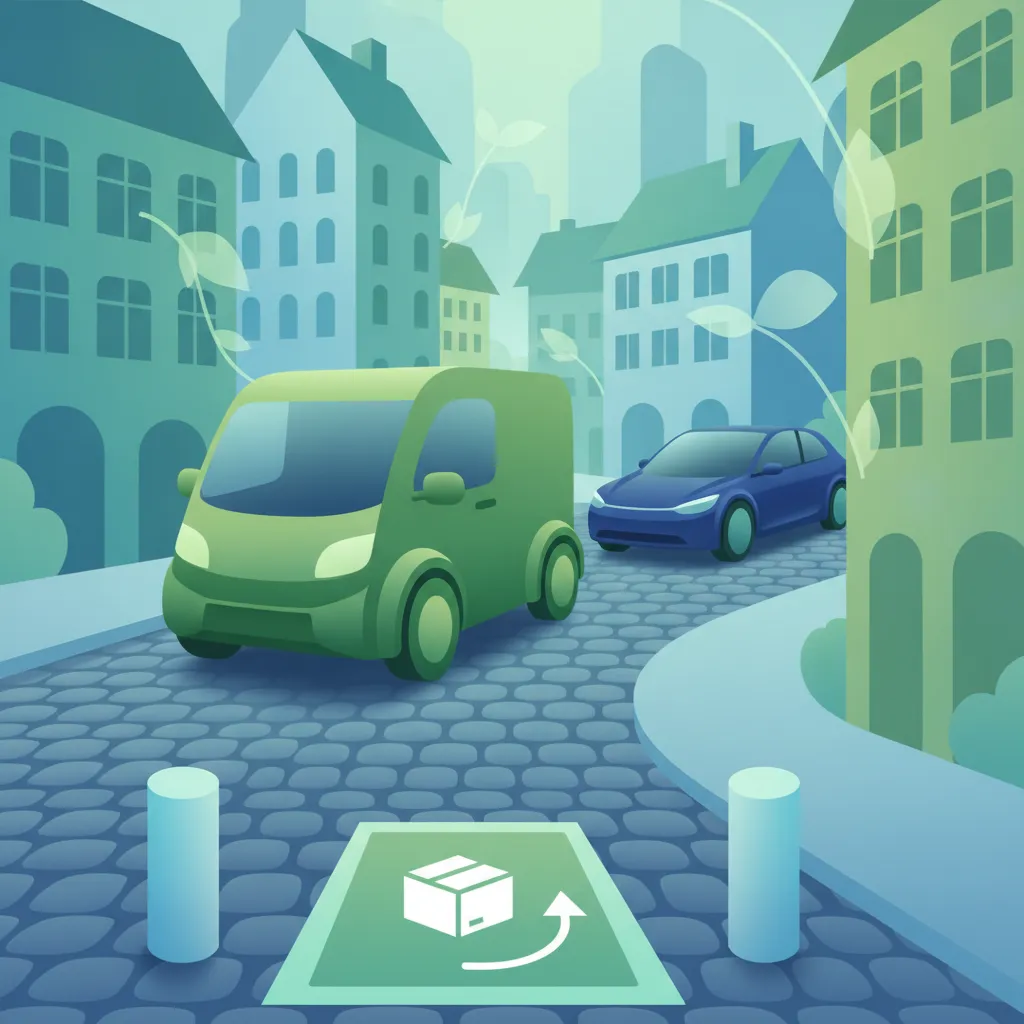
Learn strategies for navigating complex and congested urban environments. This lesson covers route planning, identifying delivery zones, and managing traffic.

Understand the driver's critical role in protecting vulnerable road users (VRUs). Learn to anticipate the actions of pedestrians, cyclists, and motorcyclists near your vehicle.
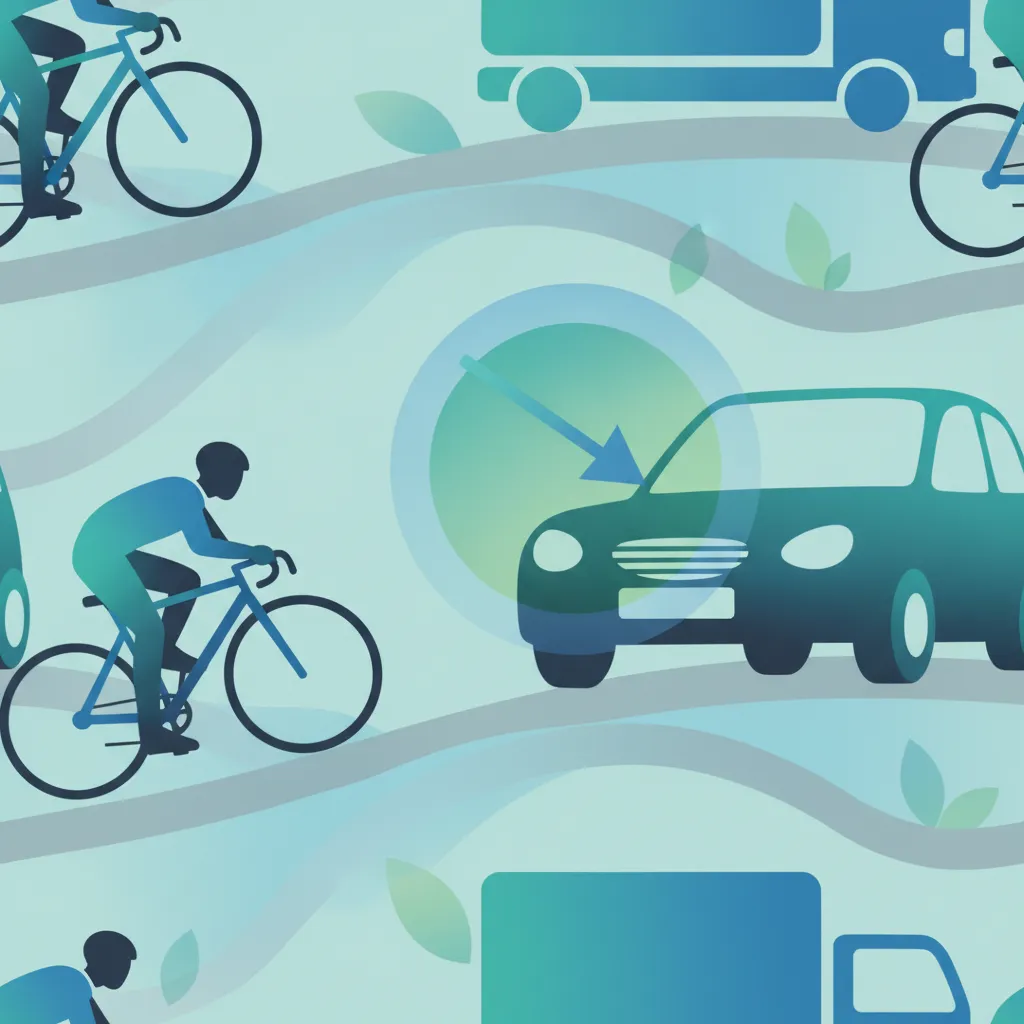
Focus on the specific danger of left-hand turns (for right-hand traffic) across the path of cyclists. This is one of the most common and serious types of HGV-cyclist collisions.
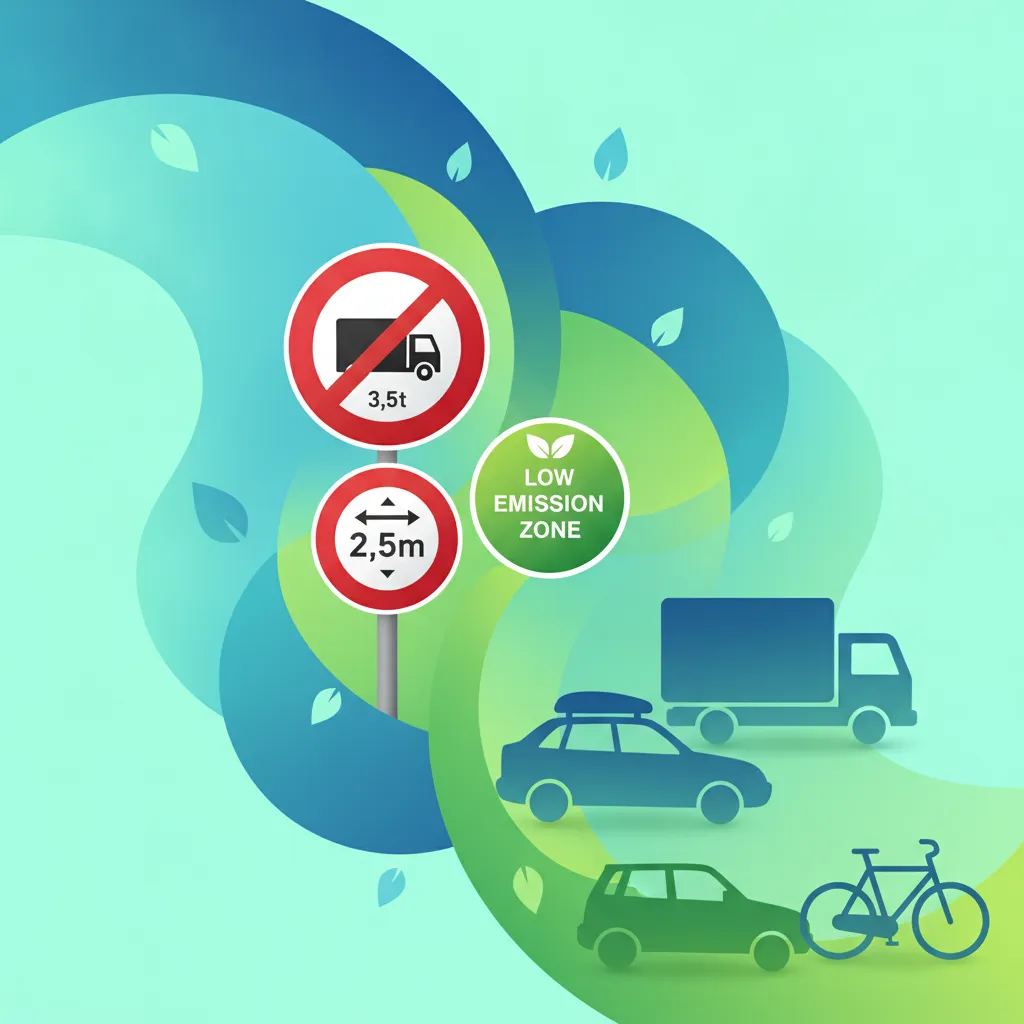
Learn to read and obey road signs indicating access restrictions for heavy vehicles. This includes limits based on weight, height, width, and environmental standards.

Understand the specific hazards and protocols for driving on active construction sites and in busy industrial estates. Safety procedures in these environments are paramount.

Learn the importance of considerate driving to minimize noise and disruption, especially during early morning or late-night deliveries in residential areas.

Learn techniques for safely navigating narrow and winding rural roads. This lesson focuses on road positioning, speed management, and anticipating hidden hazards.

Master the specialized skills required for driving a heavy vehicle over Swiss mountain passes. This includes managing engine power uphill and controlling speed downhill.

Learn the specific rules and safety procedures for driving through Switzerland's numerous long road tunnels. Know what to do in case of a breakdown or fire.

Understand the rules and best practices for driving a heavy vehicle on Swiss motorways. This includes strict lane discipline and maintaining very large following distances.

Be aware of how strong crosswinds and other adverse weather can affect the stability of a high-sided vehicle. Learn to identify high-risk locations like bridges.

Understand the importance of professional route planning for heavy vehicles. A well-planned route avoids physical restrictions, legal prohibitions, and unnecessary risks.
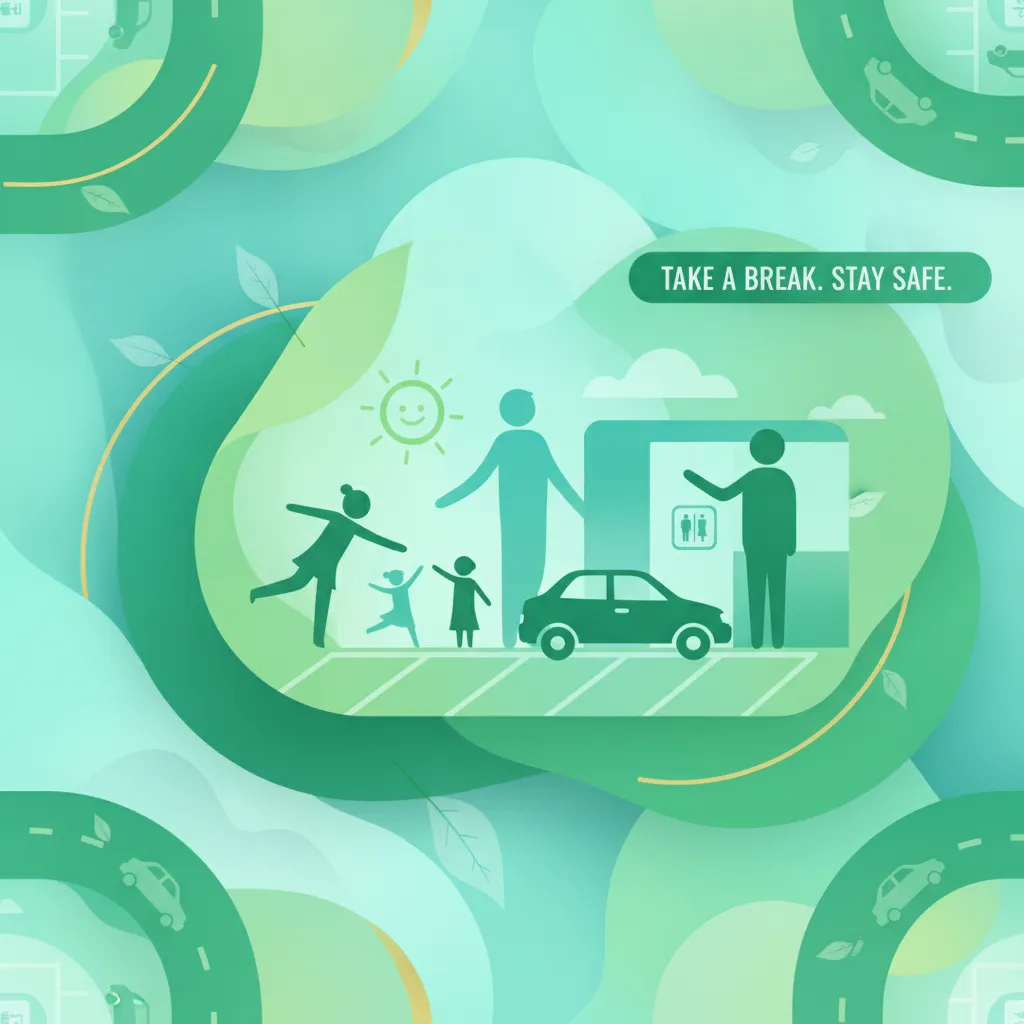
Learn the correct procedures for using rest areas and parking a heavy vehicle safely and securely. This is essential for taking legally required breaks and protecting the vehicle and its load.

Learn to recognize the signs of driver fatigue and understand its severe impact on reaction times and decision-making. Know when to stop and rest.

Understand the strict zero-tolerance policy for alcohol and drugs for professional drivers and the potential impairment from some medications.

Learn the correct and safe procedure to follow in the event of a sudden tyre failure or other mechanical breakdown on the road.
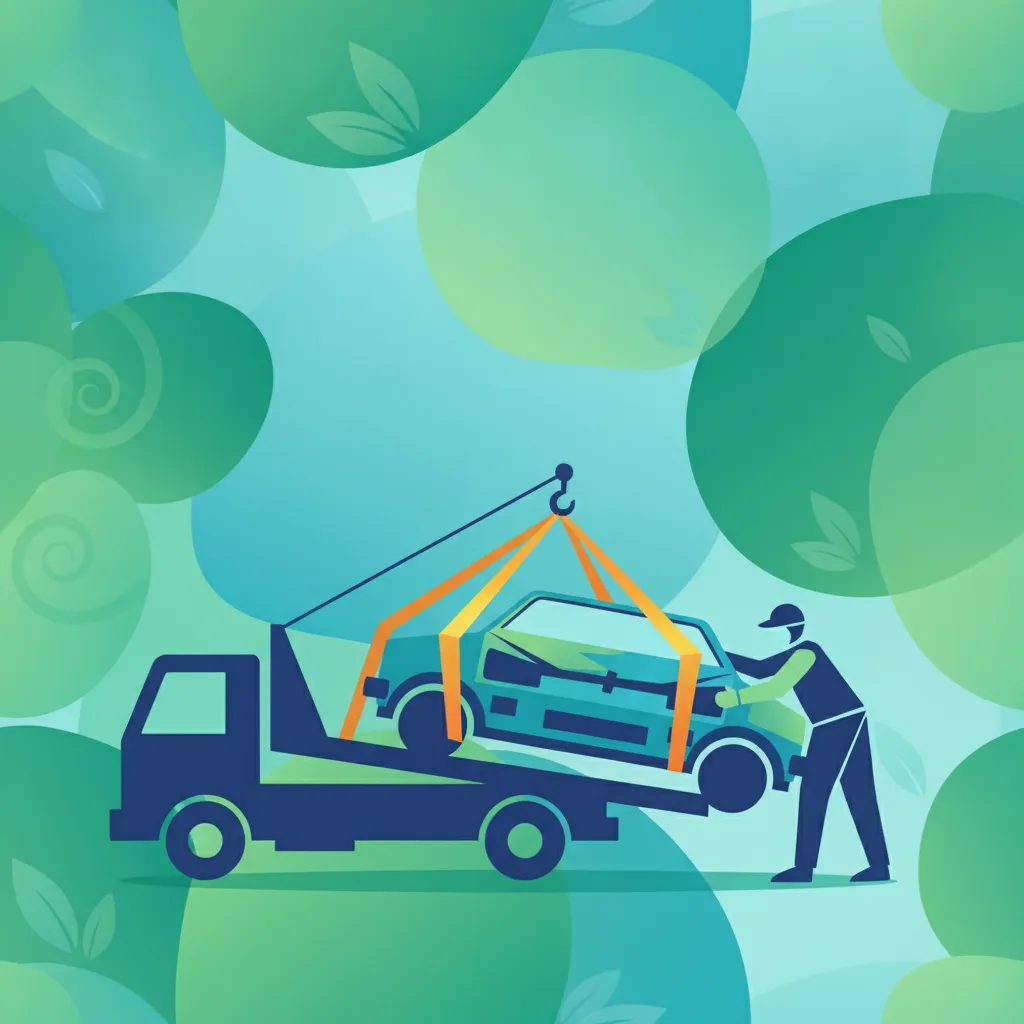
Master the steps to secure your vehicle and the surrounding area after a breakdown or accident. Protecting the scene is the first step to preventing further incidents.
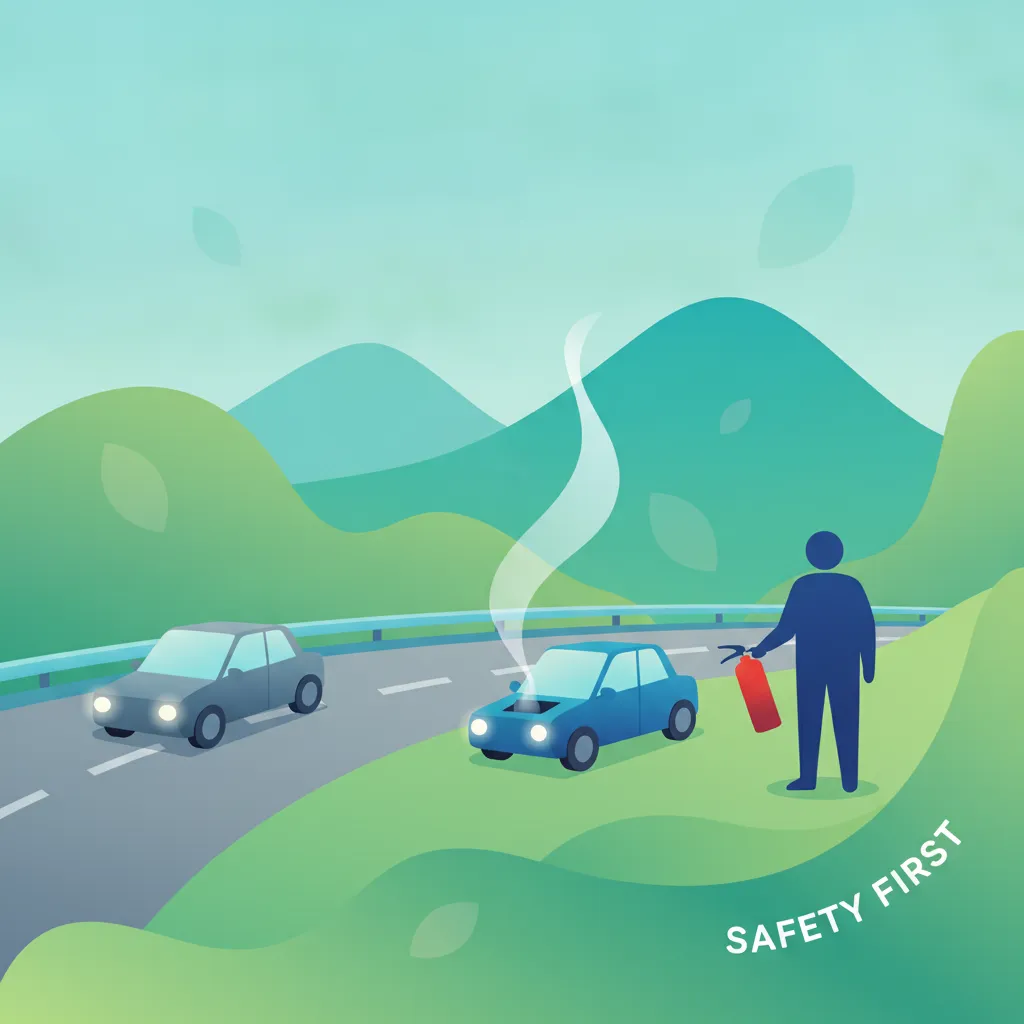
Understand the common causes of vehicle fires and the correct initial response. Know when and how to use a fire extinguisher safely, and when to evacuate.

Learn the correct procedure to follow if your vehicle sheds part of its load or causes a spillage on the highway. Your priority is to warn other road users.
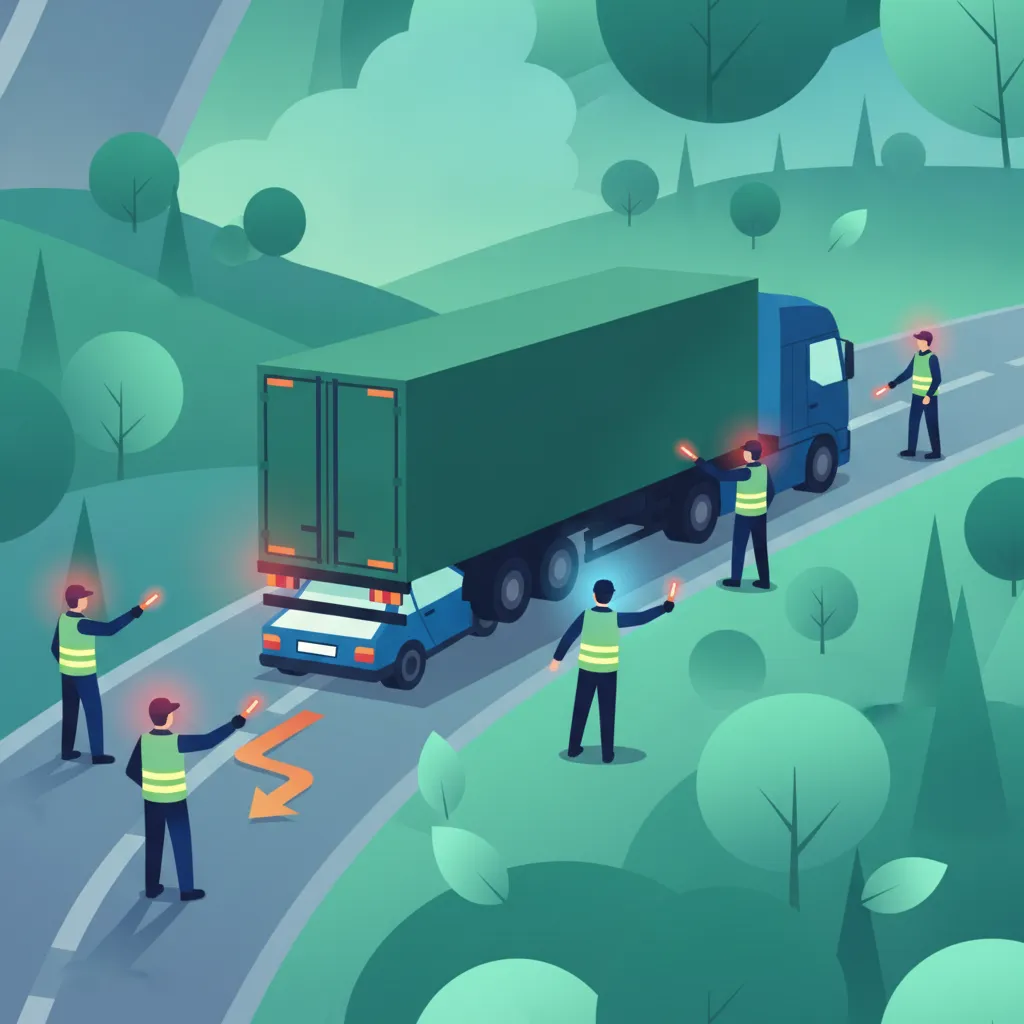
Know your duties and the correct actions to take if you are involved in or are the first to arrive at a road accident. Learn the priorities: safety, calling for help, and providing aid.
Begin your structured preparation for the official Swiss driving licence theory test today. Browse our comprehensive curriculum, choose your ideal course, and start mastering essential traffic laws, road signs, and practical driving knowledge with confidence.